Arakan News Agency
YANGON, Myanmar – Church officials have expressed disappointment over the refusal of Myanmar’s government to grant visas to three members of a U.N. fact-finding mission to investigate alleged human rights abuses by security forces against the Rohingya minority.
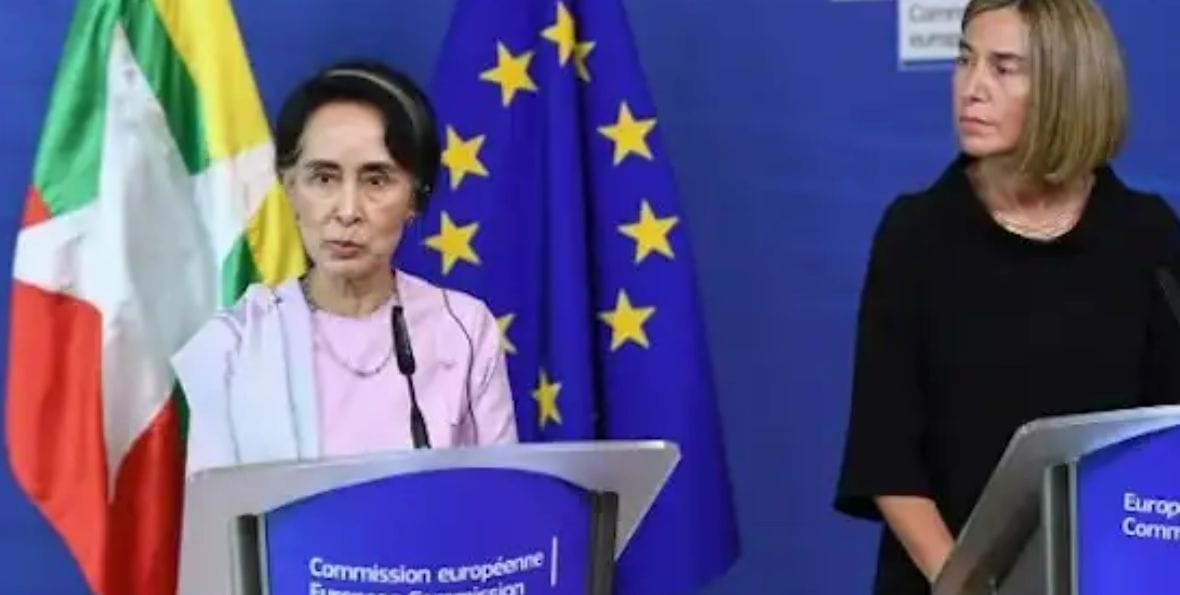
The government of “Aung San Suu Kyi appears to face a tough challenge between the military, which still plays a key role, and the international community, including the U.N., over the Arakan crisis,” the bishop told media.
In late June, Cardinal Charles Bo of Yangon called on the government to work with the international community to investigate crimes reported by the U.N. in a “truly independent” way that results in “justice and accountability.”
“Allegations of ethnic cleansing, war crimes and crimes against humanity should be fully and independently investigated. The warnings of potential genocide need to be heeded,” Cardinal Bo said in a statement.
But the Rev. Kyaw Nyunt, associate pastor of Judson Church in Yangon, said the government’s move was about putting the national interest first and human rights second. He said it appeared the government believed the U.N.’s investigation might interfere with the internal affairs of the country.
“In terms of the Arakan crisis it is not fair to pressure the government; the U.N. and the international community should approach Myanmar and constructively collaborate,” Kyaw Nyunt, who was a member of Arakan Investigation Commission established in mid-2012 under former president Thein Sein, told media.
James Gomes, regional director of Caritas in Chittagong, Bangladesh, said improving Bangladeshi-Myanmar relations depended upon resolving the issue.
“For decades, the Rohingya issue has been a thorn in bilateral relations between the two neighbours. The return of democracy in Myanmar has opened the door to resolving the crisis, so Bangladesh and the international community need to take every necessary step in order to reach an acceptable solution,” Gomes said.