
Arakan News Agency
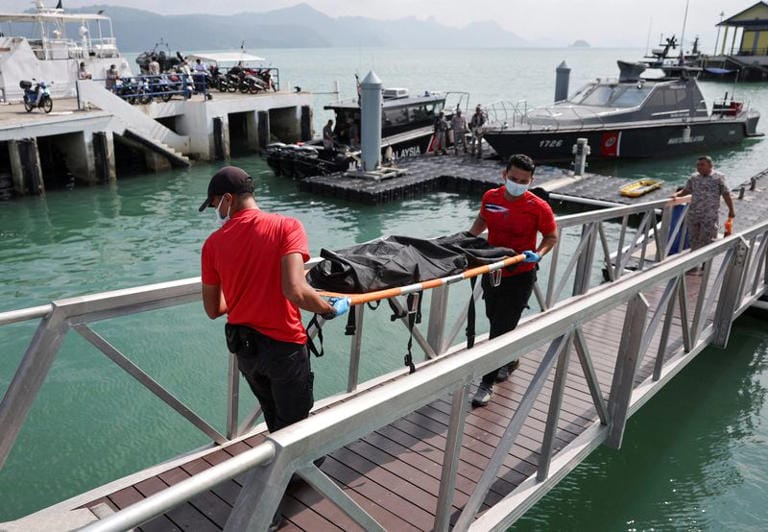
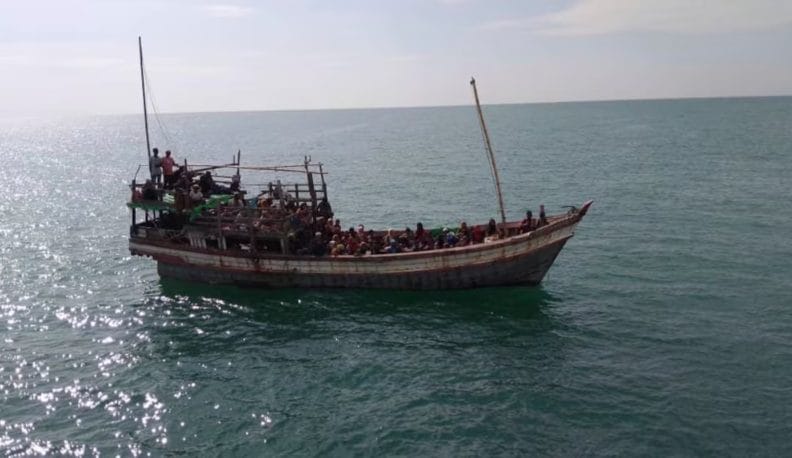
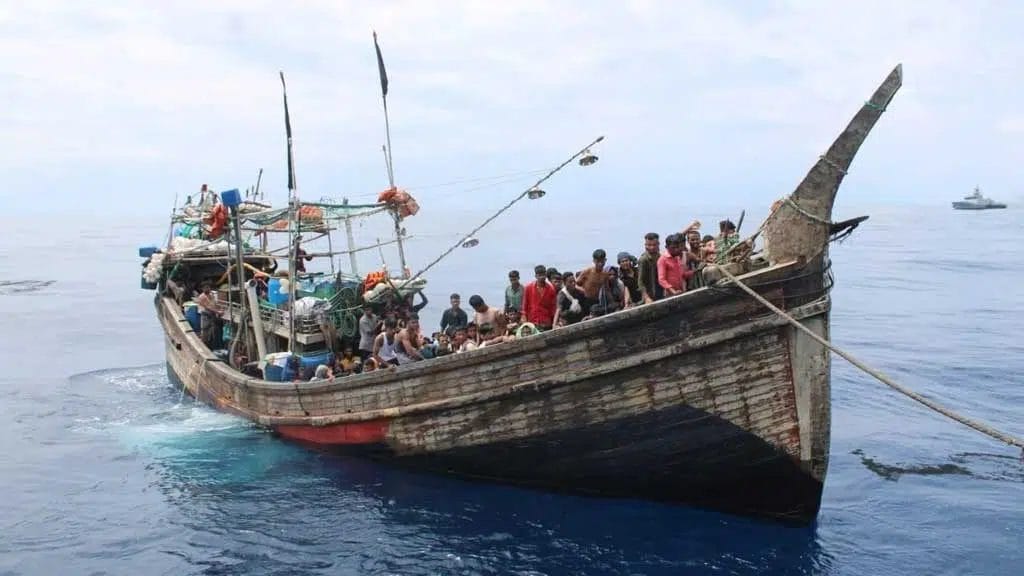
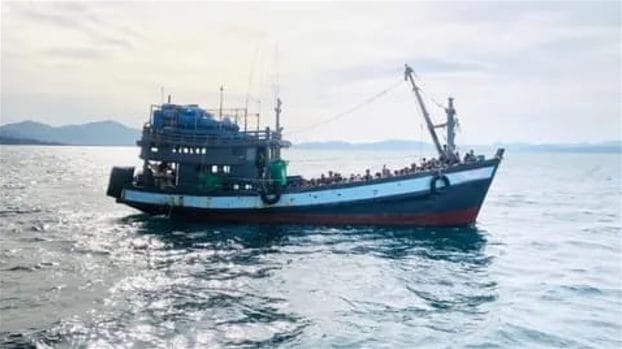
Police arrested a Rohingya member of an organised syndicate of human traffickers engaged in sending people to Malaysia through waterway. Members of Chittagong Metropolitan Police (CMP) Detective Branch (DB) arrested the man from the city’s Agrabad area early Tuesday, according to a daily sun report on Thursday.
The report narrates how helpless the Rohingya people are who are somehow bound to get involved in various drug peddling, arms dealing or human trafficking rackets. Conventional law may definitely “blame” them. But if we go deep down into the root causes of their miseries, we may find the proper answer.
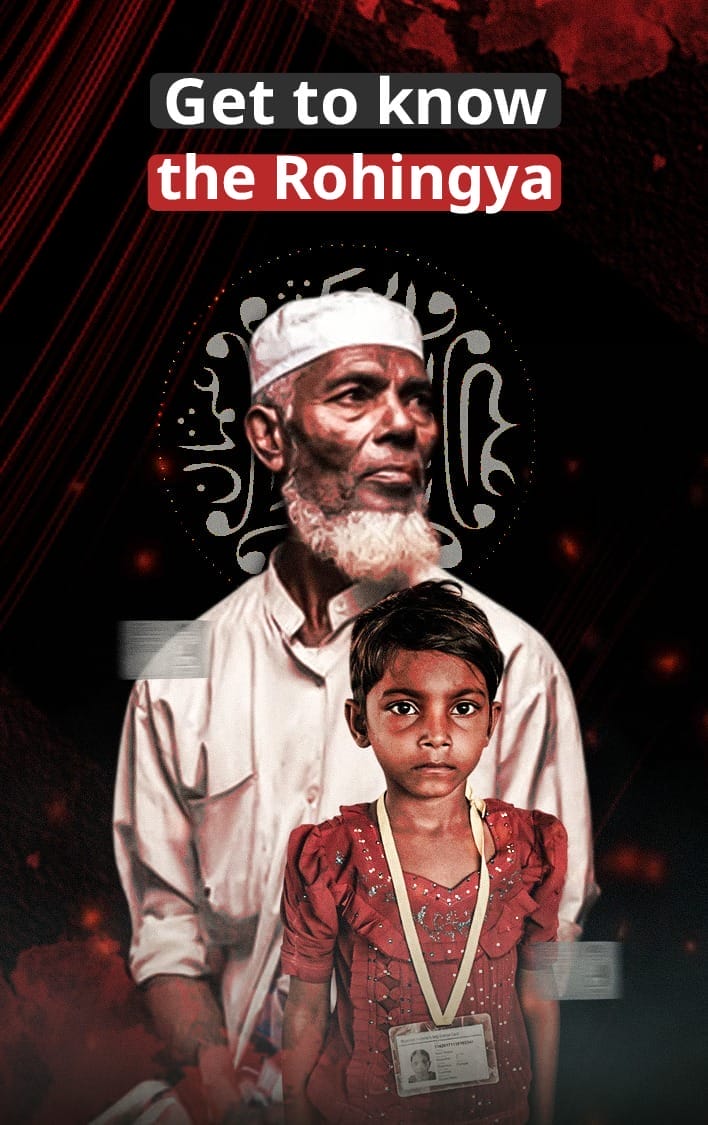
At present Bangladesh, in spite of being a poor country, is sheltering over 200,000 Rohingya refugees from Myanmar. The Rohingya ethnic minority of Myanmar is one of the most persecuted but largest stateless groups in the world as per the 1951 Geneva Refugee Convention, the core guiding principle of UNHCR. Deprived of their citizenship by the then Burmese government in 1982 and forced to flee by violent military campaigns and sustained persecution since at least the 1940s, over one million Rohingyas live in exile. They are the only ethnic group in Myanmar restricted in marriage, travelling beyond their village or building or maintaining religious structures.
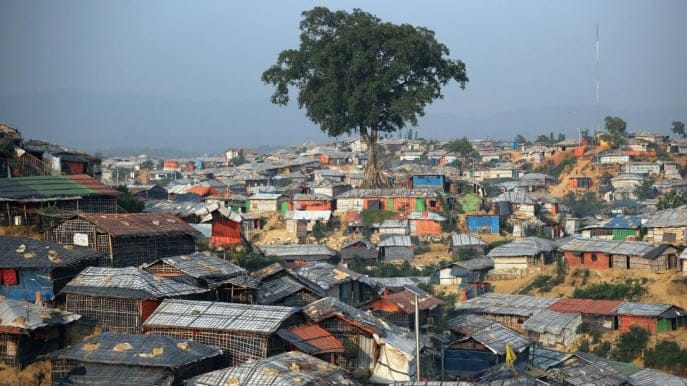
Today around 29,000 Rohingyas live in official refugee camps (Kutu Palang and Naya Para, Cox’s Bazar) in Bangladesh where they are aided by UNHCR and NGOs, and are not legally entitled to work or go outside the camps. Another 200,000 Rohingya refugees reside in unofficial camps or Bangladeshi villages.
The Rohingya crisis began in 1974 when the Burmese military government took away the citizenship of the Rohingyas. Actually, Rohingyas are a Muslim minority population in Myanmar. They form around 90 percent of the one million people living in the northern region of the Rakhine State in Myanmar, which borders with Bangladesh. In 1989 the military-led government changed the state’s colonial name of Arakan to Rakhine.
The Myanmar government has so far enlisted 135 national “races” classified by ethnicity and dialect, of which the biggest groups are Burman, Kachin, Kayah, Karen, Chin, Mon, Rakhine and Shan. Although Rohingyas have been in Myanmar over the centuries, Burmese authorities consider all the Rohingyas as undocumented immigrants and do not recognize them as citizens or as an ethnic group of that country. As a result, Rohingya are stateless according to the 1982 Burmese Citizenship Law.
Fresh and sporadic violence that erupted in June 2012 between ethnic Rakhine and Rohingya residents following the alleged rape of an ethnic Rakhine woman by a group of Muslim men displaced nearly 75,000, mostly Rohingyas; most are still in nine overcrowded camps in Sittwe Township, the capital of Rakhine State. More than 200,000 Rohingyas have fled earlier crackdowns and discrimination, seeking refuge in Bangladesh, where they are also seen as illegal migrants.
Earlier the civil society of Bangladesh raised their voices for the pro-democracy struggle in Myanmar. In 2006 a petition by 500 Bangladeshi politicians and intellectuals extended Bangladeshi people’s solidarity, support and sympathy for Aung San Suu Kyi and called for the release of all political prisoners in that country. After the land-slide victory in 2008 election, Sheikh Hasina reiterated her stance on Myanmar’s pro-democracy struggle, calling for an end to the detention of Suu Kyi and Burmese political prisoners.
source : daily-sun