
Arakan News Agency
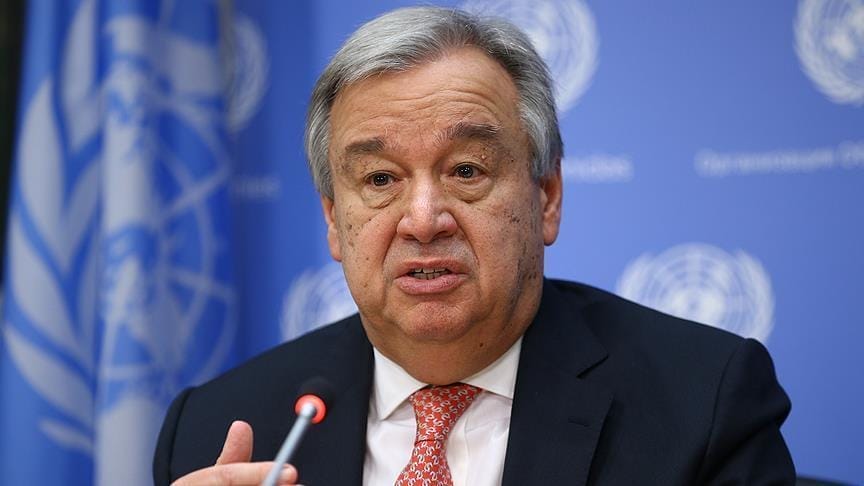
UN Secretary-General Antonio Guterres said he had “heard stories of unimaginable atrocities” during his visit to large camps in Bangladesh, including one million Rohingya refugees who fled the violence in Myanmar.
Guterres called the situation of the oppressed Muslim minority “a human nightmare.”
The UN official made the remarks while preparing to tour the crowded temporary camps for people who have fled a massive operation by the military in Myanmar last year that the United Nations likened to ethnic cleansing.
“In the city of Cox’s Bazar in Bangladesh, I have just heard unimaginable accounts of the killings and rape of Rohingya refugees who recently fled Myanmar,” Guterres said on Twitter. They want justice and safe return to their homes. ”
“Rohingya is one of the most discriminated and weak societies on earth,” Guterres said in a tweet on Twitter before visiting camps in southern Bangladesh.
Guterres, along with World Bank President Jim Young Kim, described as “a solidarity mission with the Rohingya refugees and the communities should support them.”
He added that what he called the compassion and generosity of the Bangladeshi people “shows the best in humanity and saved the lives of thousands of people.”
Reports say most of the Rohingya in Bangladesh, or about 700,000 people, entered the country across the border in August to escape the violence.
A UN Security Council delegation visited Myanmar and Arakan state in early May and met with refugees who reported detailed accounts of killings, rape and villages burned by the Myanmar army.
But Myanmar has vehemently denied claims by the United States, the United Nations and others that it is conducting ethnic cleansing of the Rohingya minority.
Bangladesh and Myanmar reached an agreement in November to start the repatriation of the Rohingya Muslims, but the operation was halted and each side accused the other of frustrating it.
Less than 200 people have been resettled, but the vast majority have refused to consider returning until their rights, safety and citizenship are guaranteed.
About 100 Rohingya people organized a protest ahead of Guterres ‘s visit and expressed their dissatisfaction with the initial United Nations agreement with Myanmar to assess the situation on the ground to see whether they could return home.
However, the United Nations said that the conditions in Arakan State, home to the oppressed minority in western Myanmar, were not conducive to the safe, voluntary and dignified return of refugees.


