Arakan News Agency
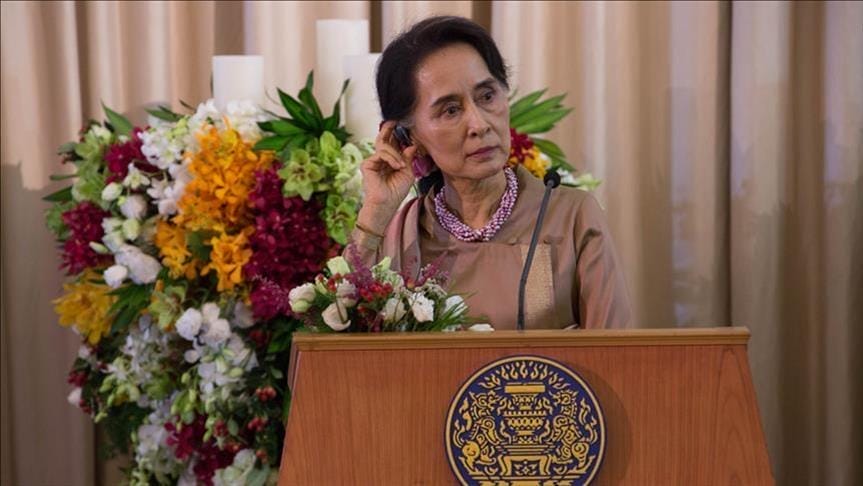
More than a year after Aung San Suu Kyi led Myanmar’s shift to democratic rule, the country’s de facto leader has found herself turning to two unlikely allies in her attempts to resolve ongoing internal ethnic conflict and press ahead with economic development.
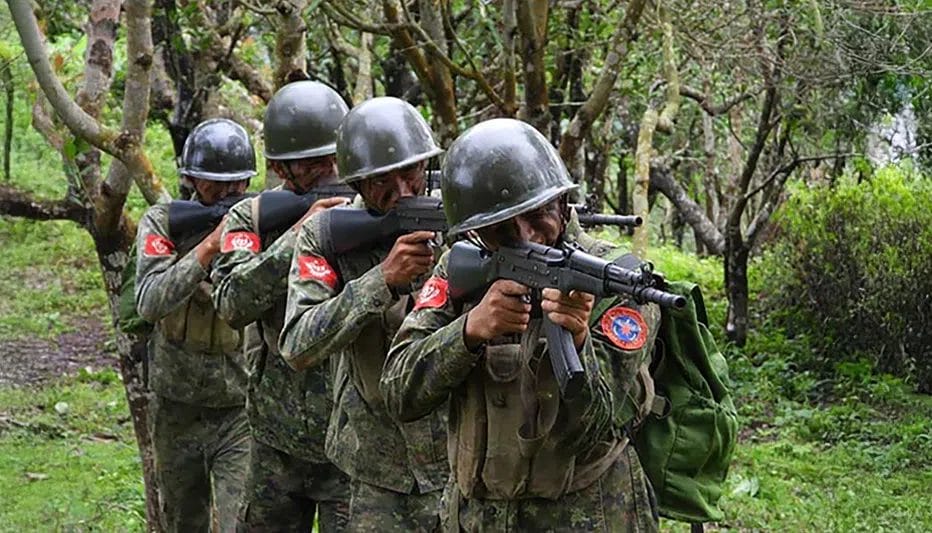
In mid-June, national military forces attacked the Kachin Independence Army in the north of the country near the Chinese border. Miners and residents in the area were forced to evacuate and hundreds sought refuge in churches and temples, according to local reports.
Great expectations
The attack came just weeks after the 21st Century Panglong Union Peace Conference in late May, attended by the government, military and a number of the country’s armed groups. The KIA was one of seven groups attending as “special guests” and had a meeting with Suu Kyi, raising hopes that a peace deal could be struck, but fighting flared up again.
An expert pointed out that the government lacks people capable of establishing a relationship of trust with the country’s myriad ethnic minorities.
Eight ethnic groups which had already signed a ceasefire arrangement agreed to a provision of equal treatment at the conference. While in some respects the conference could be seen as a success in that it laid out a framework for dialogue, many sources of conflict were left unaddressed, such as the question of potential future secession from the union.
After years under house arrest under the military government, Suu Kyi was widely expected to lead Myanmar to democracy by both citizens and the international community.
Under Myanmar’s constitution, the military controls defense and police affairs. Suu Kyi’s relationship with the military has grown more prominent amid continued insurgencies.
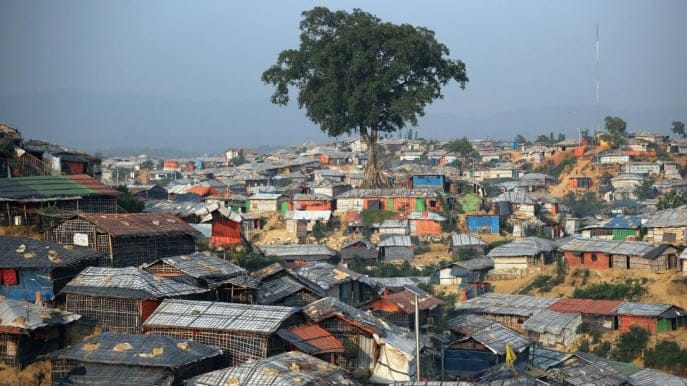
Following a series of attacks on police posts in northern Arakan State last autumn, the Rohingya Muslim minority reportedly suffered numerous abuses at the hands of the military as it sought to crack down on the attackers.
Suu Kyi rejected the chance to bring in an independent team from the United Nations Human Rights Council to investigate, claiming it would risk further exacerbating divisions among local residents.
Source : Nikkei