
Arakan News Agency
Adama Dieng, UN Special Adviser to the Secretary-General on the Prevention of Genocide, on Tuesday said the Myanmar authorities have so far shown no genuine efforts to resolve the Rohingya crisis.
The special adviser was talking to reporters at a press conference at the Liberation War Museum in the capital in the afternoon.
The United Nations Special Adviser to the Secretary-General on the Prevention of Genocide has been on an official visit to Bangladesh since 7 March 2018 at the invitation of the government of Bangladesh.
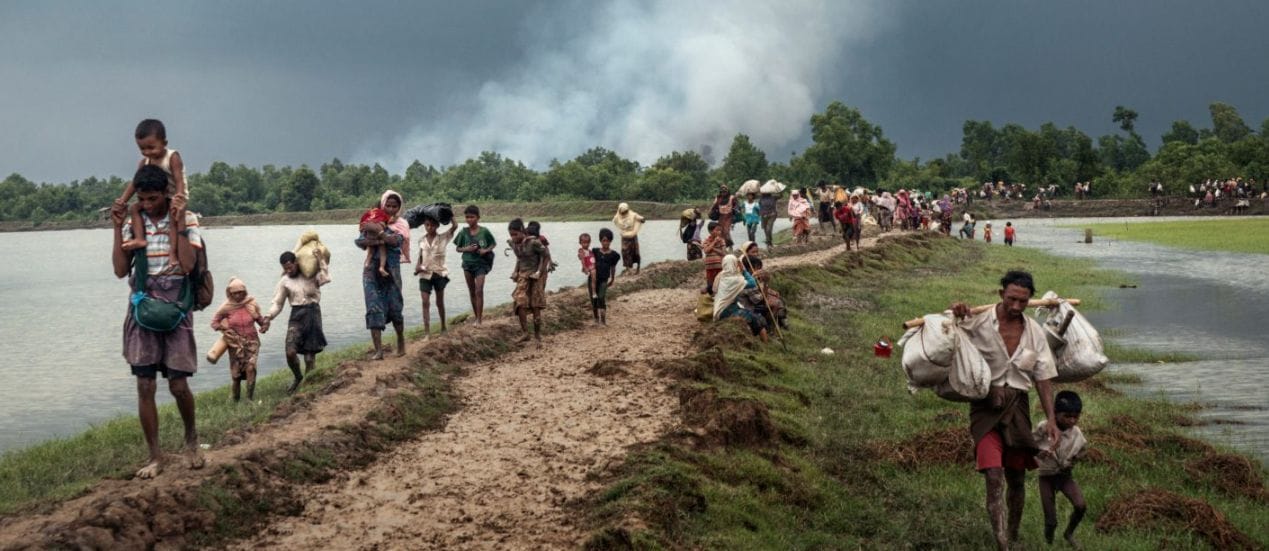
The purpose of his visit has been to look into the situation of the Rohingya refugees in Cox’s Bazar who have fled from Myanmar since the most recent incidents of violence in northern Arakan state.
Dieng said the refugees continue to cross the border and they have endured what no human beings should have to endure.
The solutions to Rohingya crisis lie first and foremost with Myanmar, he continued. They can resolve the crisis by creating conditions for the Rohingya people to return home safely and entitling the same rights as any other citizens of Myanmar, he said.
Dieng continued saying that the international community also has a responsibility to protect the Rohingya people from the risk of further atrocity crimes.
Under the present conditions, returning to Myanmar will put the Rohingyas at risk of further attacks, he noted.
He also said that it’s imperative that the Rohingyas while in Bangladesh are afforded more chances to uplift themselves educationally and through access to livelihoods.
Doing so will help them both in Bangladesh and when they are able to return to Myanmar, he observed.
It’s clear that the majority of the Rohingyas want to return to Myanmar but only when they are able to do so in safety, dignity and with access to the basic rights, he added.
“What I have heard and witnessed in Cox’s Bazar is a human tragedy with the fingerprints of the Myanmar government and of the international community,” the UN Special Adviser said.
The scorched-earth campaign carried out by Myanmar security forces since August last year against the Rohingya people was predictable and preventable, he continued.
“Let us be clear that international crimes were committed in Myanmar and Rohingyas were killed, tortured, raped, burnt alive and humiliated, solely because of who they are,” he added.
The intent of the perpetrators was to cleanse northern Arakan state of their existence, possibly even to destroy the Rohingya people as such, which, if proven, would constitute the crime of genocide, he maintained.
In his speech, Dieng also came up with three recommendations for resolving the crisis.
He said first the root causes of the crisis must be addressed and only then the Rohingya people can return in safety and dignity to Myanmar.
We must give them the opportunity that every human should be afforded in life,” he continued.
As a priority, the stateless status of the Rohingya people must end and the issue of their citizenship should be addressed properly and definitively, he maintained.
He said there must be accountability for the crimes that have been committed in Myanmar.
“I urge the international community, especially the UNSC to consider different accountability options,” he noted.
As the third recommendation, Dieng said the Rohingya people must receive protection and support as refugees while in Bangladesh.
“I welcome the remarkable work done by Bangladesh in responding to the arrival of almost 700,000 Rohingya people in Cox’s Bazar in a span of just six months,” he continued.
He also called upon the international community to do more support Bangladesh in shouldering this responsibility.
In reply to a query, he said not the entire Myanmar military is involved in the crimes committed against the Rohingyas, but some individuals are to blame.
The mandate of the Special Adviser to the Secretary-General on the Prevention of Genocide is to act as a catalyst to raise awareness on the causes and dynamics of genocide.
He is also mandated to alert the relevant authorities where there is a risk of genocide and to act as an advocate and mobilize for appropriate support.


