
Arakan News Agency
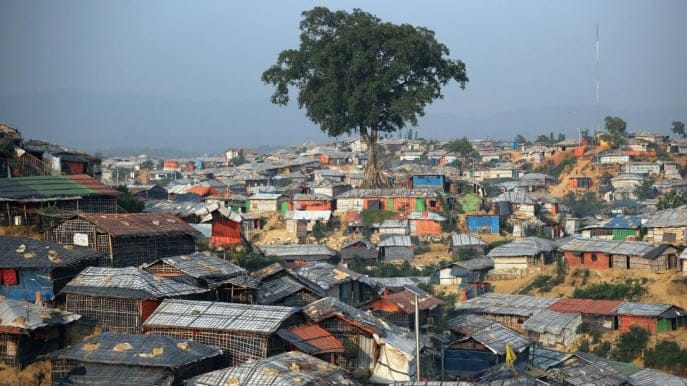
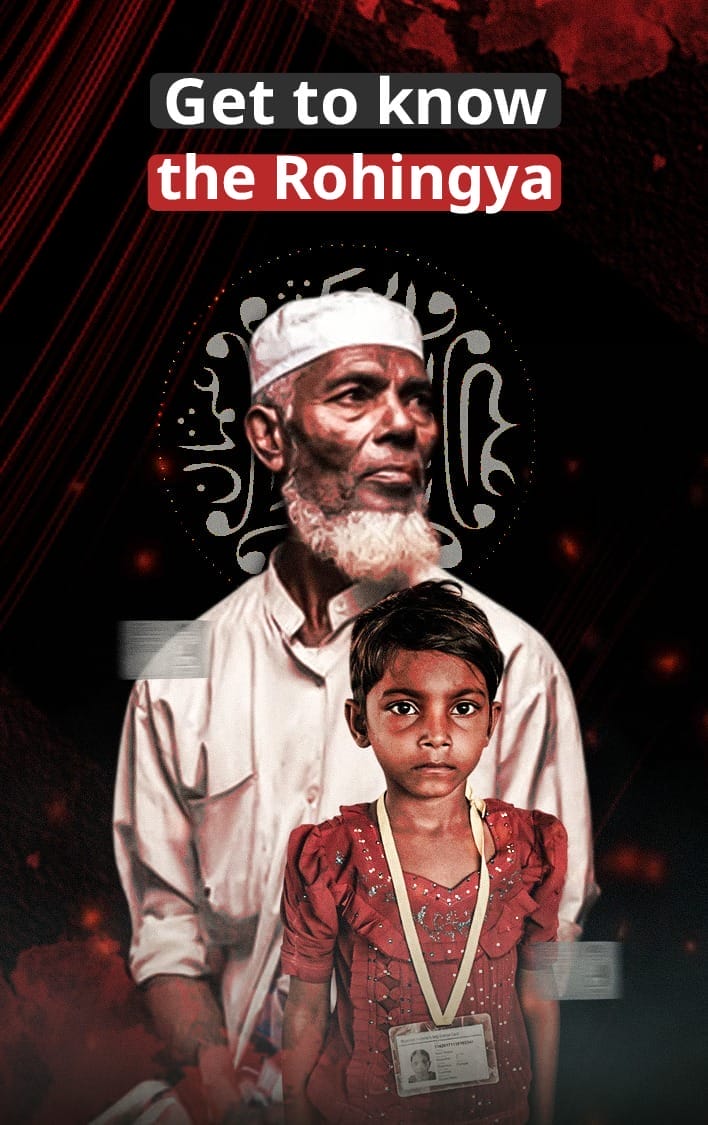
The Rohingya are often described as one of the most persecuted communities in the world. A significant number of them are also living in India as refugees and asylum seekers. Most commuters who pass the Kalindi Kunj bridge in Delhi tend to generally notice only the metro construction. From a distance, the makeshift settlement near the construction area appears to be a normal sight in the city: tents built with recycled material found on the streets comprising of plastic, rubber, plywood, tires and old clothes.
A closer look, however, reveals the plight of the Rohingya community, a Muslim ethnic group from Myanmar, and their relentless struggle in search for a home where they will not be beaten, raped or killed.
In Kalindi Kunj, a total of 307 members of the Rohingya community live together. The Zakat Foundation, a US-based NGO, has made this possible by providing 11,000 square feet of land to pitch tents on. This arrangement, however, was only valid for a year and now the Rohingyas, after having overstayed, have been asked to move again ten days after Eid al-Adha, an Islamic holiday. This case of displacement is not the first one and yet another occasion for them to not know where to go next.
The Rohingya are a predominantly Muslim community hailing from Myanmar’s western Rakhine state. But the Myanmar government views the roughly one million-strong ethnic group as illegal Bangladeshi immigrants. As a result, most of them are denied citizenship and outbreaks of sectarian violence have prompted many to flee.
Over several decades, the Rohingya have suffered a lack of self-identity, persecution and forced relocation within and outside the borders of Myanmar.
Many of them now live in miserable conditions in makeshift camps within and outside Myanmar and are exposed to the risks of exploitation, human trafficking, and rape.
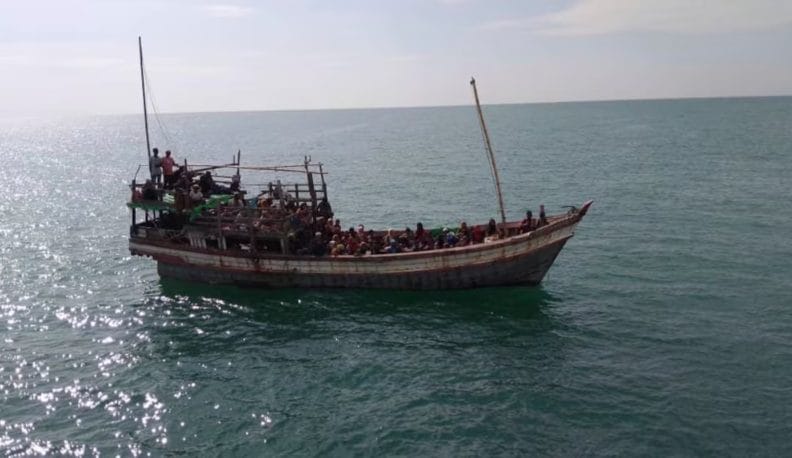
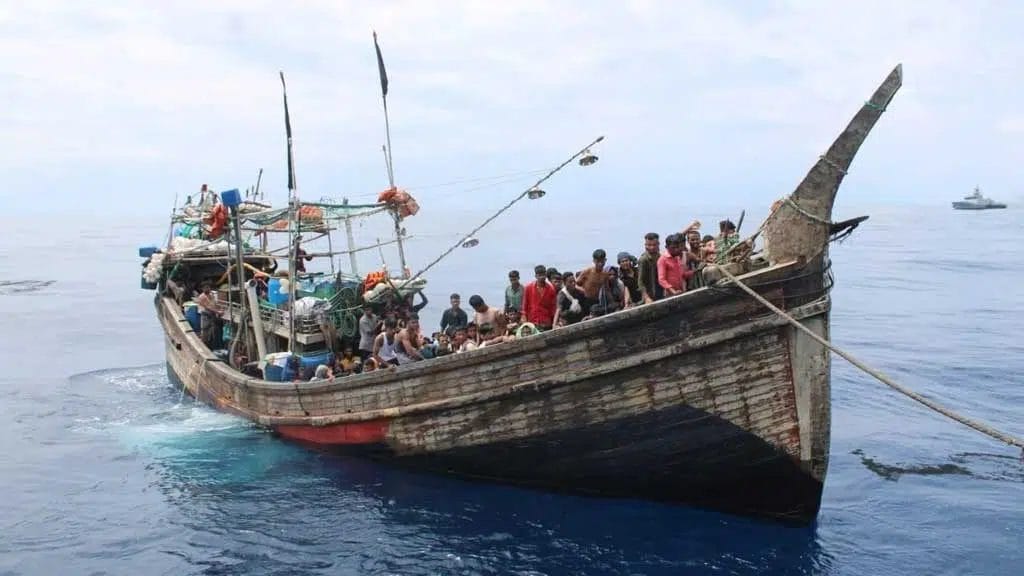
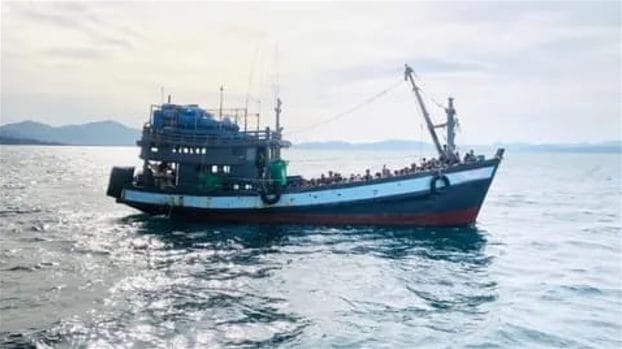
Since 2012, over 100,000 Rohingya Muslims have embarked on boat journeys in search of better lives outside of the Southeast Asian nation, and they have taken refuge in countries like Bangladesh, Indonesia, Thailand and India.
Source : DW