
Arakan News Agency
Rohingyas who have fled Myanmar have given graphic descriptions of killings, rapes and burning of homes by soldiers, as concerns grow that ethnic cleansing is unfolding in the country’s western Arakan state.
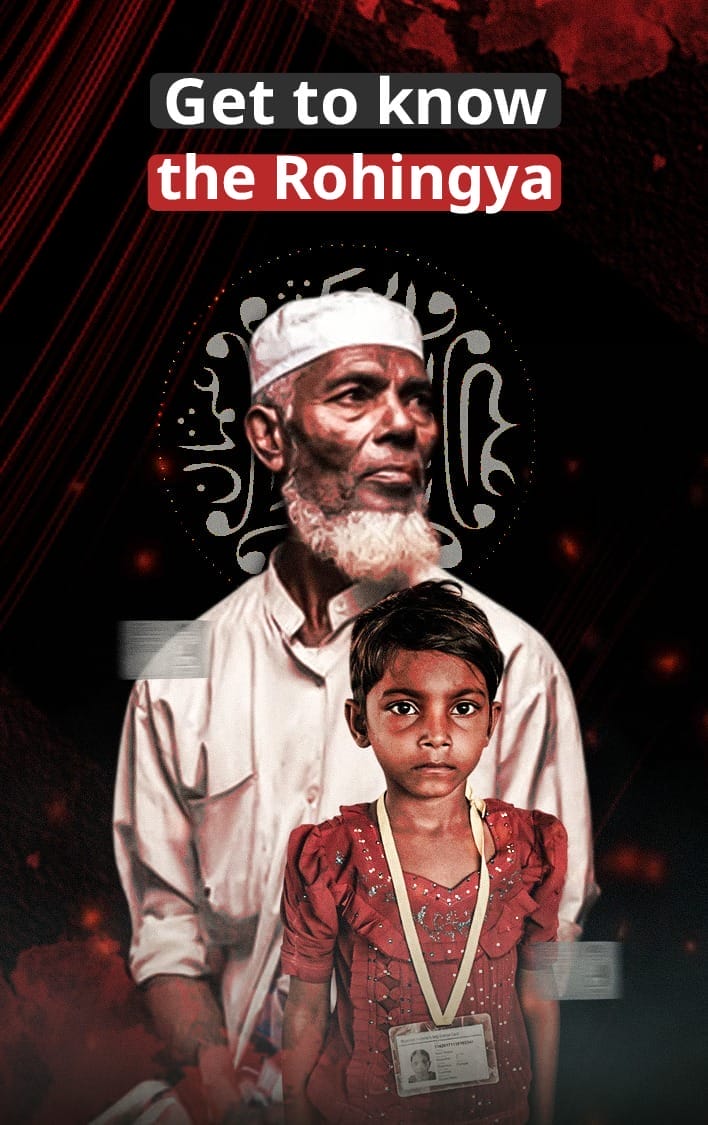
“They came and killed mercilessly. They burned our homes. No one was there to save us,” Osman Gani, an Arabic teacher, told Associated Press after swimming across a river to enter Bangladesh near the port of Cox’s Bazar.
“They [Myanmar’s military] oppressed us and fired at us from aircraft,” Mr Gani said.
“People were killed in front of my house. They chased the girls and gunned them down. And they burned many people. They burned them in front of my house,” he said.
Mr Gani hid with his family for a week before soldiers stepped up their searches for Rohingya men.
“I had no choice but to leave [my family] behind. I came to the bank of the river and started swimming,” he said.
Some reports have claimed the Myanmar military has unleashed gunfire on civilians from helicopter gunships and that babies have been thrown into fires.
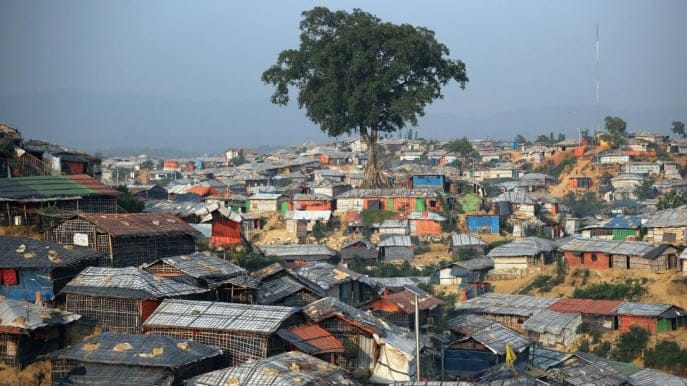
The United Nations estimates that up to 30,000 Rohingyas have abandoned their homes in recent weeks after the military implemented a strict lock-down of Arakan, refusing entry to aid agencies, journalists and independent observers.
Myanmar’s leader Aung San Suu Kyi has accused the international community of stoking the unrest which has exposed divisions in the 10-member Association of South-East Asian Nations (ASEAN).
Malaysian Prime Minister Najib Razak broke with ASEAN’s tradition of not interfering in the affairs of other member states, telling Ms Suu that “enough is enough” violence against the Rohingyas.
“The world cannot sit by while genocide takes place,” Mr Najib said.
Myanmar responded by stopping any of its workers going to Malaysia, a top destination for migrant labour where more than one million Rohingyas are living.
Analysts say that by appearing to stand up for Muslims, Mr Najib is looking to shore up his support within Malaysia’s majority-Muslim population at a time when he is engulfed in a scandal involving a heavily indebted sovereign fund he set up in 2009.
As the violence has exploded, Ms Suu Kyi, a Noble laureate swept into power at elections last year, has faced increasing criticism for failing to act to stop the violence.
The military that held her under house arrest for more than 15 years continues to hold enormous power in the country that ageing and superstitious generals ran with an iron fist for half a century.
Source : AP