Arakan News Agency
Between a barbed wire fence from Myanmar and soldiers from Bangladesh, some 6,000 Rohingyas are anxiously waiting for them to be repatriated to Myanmar. Few of them want to return after fleeing ethnic cleansing.
Bangladesh and Myanmar signed an agreement at the end of November that provides a framework for the return of Rohingya refugees but still requires practical translation. This program may include about 750,000 Rohingya but raises several questions.
“My return is not clear,” said Hosni Ara, 26, a mother of five. Why do not they kill us here instead? I prefer to stay back there. “
The woman reports that she lost her husband and two children in violence in western Myanmar, which the United Nations regarded as a national cleansing by the Myanmar army.
“If Bangladesh rejects our presence and send us back, then they will kill us. “But I can not go back to Myanmar after what they did.”
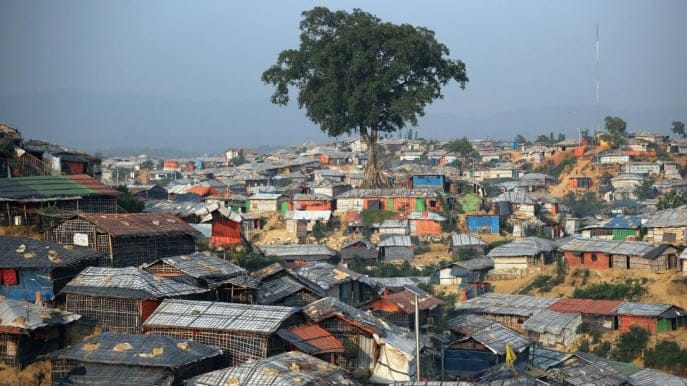
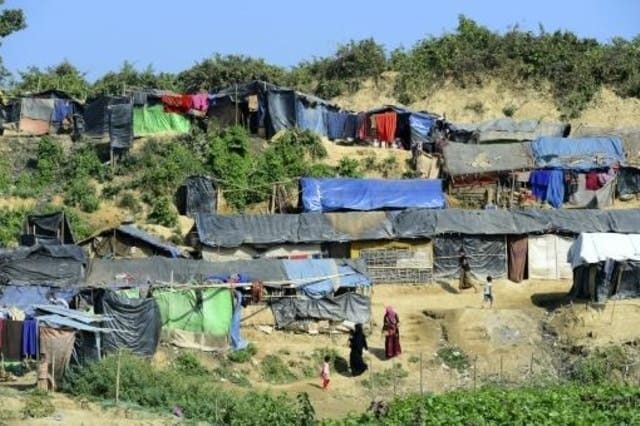
Like this woman, many have resorted to huts in Kunarpara, a land not formally affiliated to Bangladesh or Myanmar, after they have poured into Bangladesh since the end of August.
Bangladesh, a poor country in South Asia, tried to close its borders in the first phase and forced the first arrivals to settle in the area. But the massive number of refugees forced Dhaka to receive some 690,000 Rohingya in a few months.
From Kunarpara, the Rohingya can watch Myanmar army patrols and children playing kites. On the other hand, Bangladeshi soldiers are not allowed to cross into their territory except for humanitarian aid or medical consultation.
The repatriation program for Myanmar is of concern to the people of Kunarpara, after Bangladesh officials announced that its implementation would primarily involve them.
This is what the refugee Abu al-Nasser, 45, has said he still hears the sound of gunfire and sees the smoke of the fires rising from villages in Myanmar.
“How can they talk about getting us back there? We will not go. “