Arakan News Agency
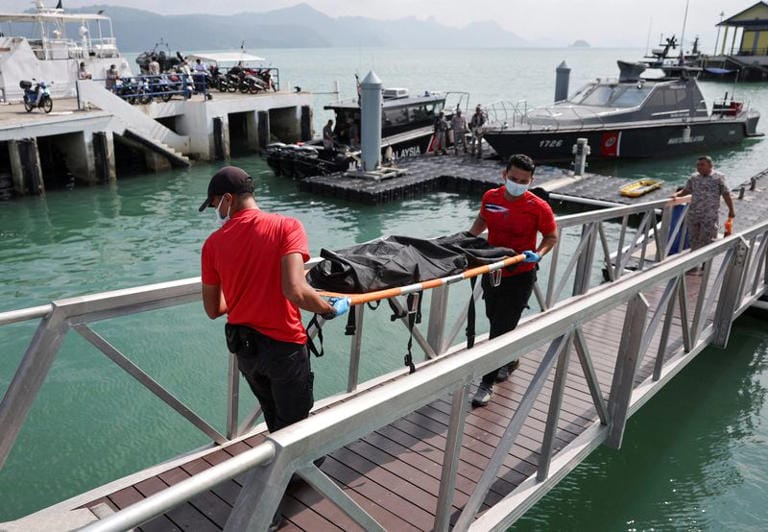
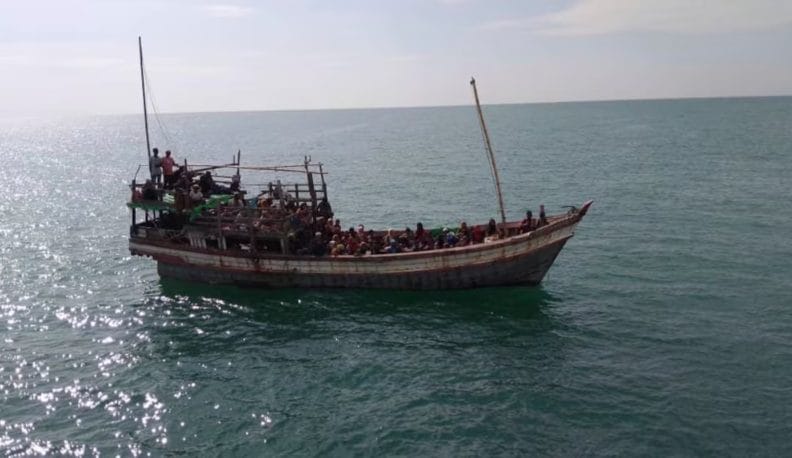
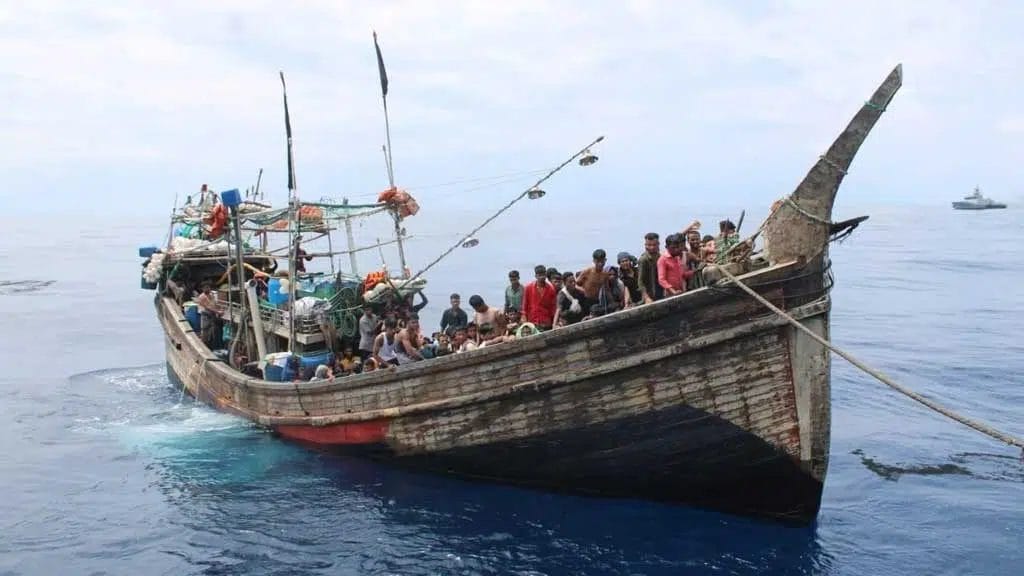
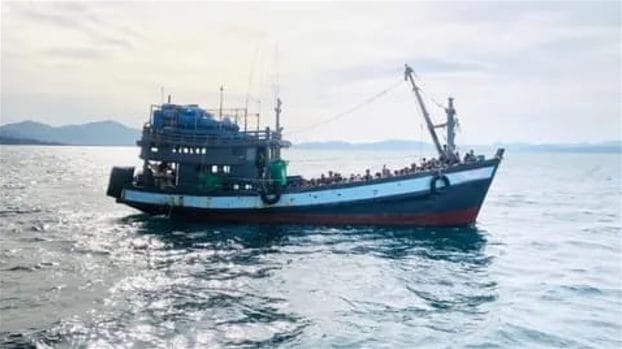
Thousands of Rohingya refugees from Burma lie starving in boats off the coasts of Thailand, Indonesia and Malaysia. Dehydrated and desperate, they are forced to drink their own urine in sight of countries which should be offering them sanctuary.
Attention is rightly focussed on these countries for refusing to accept these refugees, and on the traffickers who abandoned them there. These countries must allow the boats to land and give sanctuary to Rohingya refugees. Action also needs to be taken against traffickers and the authorities which co-operate with them.
However, without tackling the root causes of this crisis, Burma’s persecution of the Rohingya, there will be no long term solution.
The simple truth is that the government of Burma has a policy of trying to drive the Rohingya out of the country. Boat loads of trafficked Rohingya heading for other countries are exactly what they want to see. For President Thein Sein, this is a policy success.
Although President Thein Sein has been praised as a courageous reformer by much of the international community, since becoming President he has significantly stepped up repression of the Rohingya.
Two recent briefing papers by the Burmese Rohingya Organisation UK explain the twin tracks the Burmese government uses to try to drive the Rohingya from Burma.
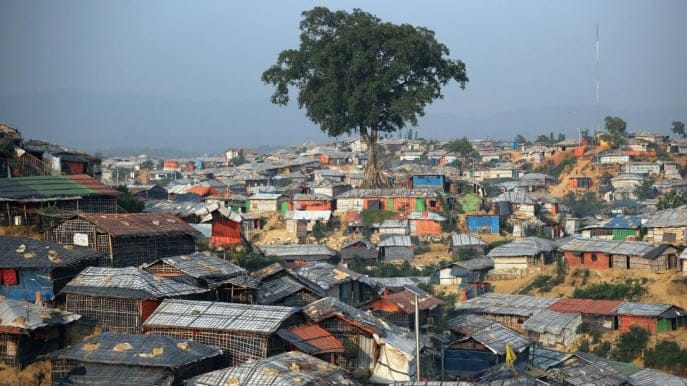
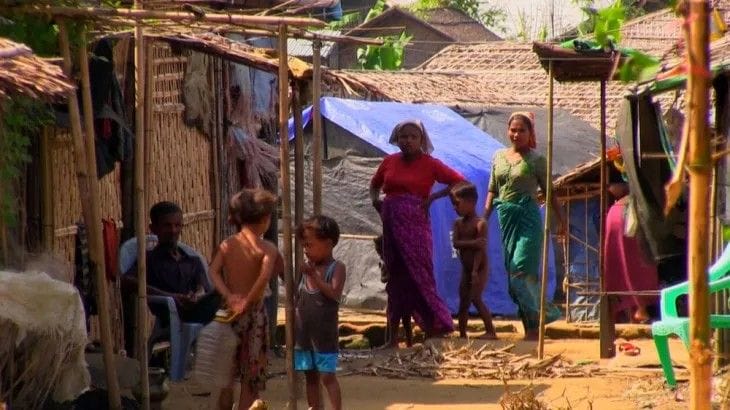
One approach is the deliberate impoverishment of the Rohingya. Most attention now is on the appalling conditions in camps for internally displaced people who fled attacks in 2012, but for decades a policy of systematically impoverishing the Rohingya has been pursued.
“Increasing poverty and blocking economic development of the Rohingya is a deliberate and integral part of the Burmese government’s Rohingya policy,” states the Burmese Rohingya Organisation UK.
Their report describes the many ways in which the government applies this policy; “Restrictions on Rohingya travelling from some townships to others, and even within some townships, checkpoints on roads targeting only Rohingya which include body searches and extortion of money, restrictions on marriage through a tax fee requirement, arbitrary taxation on a wide range of activities, even including death of cattle, forced labour, land confiscation, arbitrary arrests and extortion for releasing the person arrested, almost no provision of government services such as health, education or infrastructure in Rohingya areas.”
This policy of deliberate impoverishment has been very successful. Forty-four percent of the population of Rakhine State lives below the poverty line, almost 20 percent higher than the average in most parts of Burma. An irony is that the ethnic Rakhine population has also suffered greatly from the deliberate impoverishment of the Rohingya, and yet many blame the Rohingya, not the government, for their problems.
The second tactic used to try to drive the Rohingya from Burma is human rights violations and repressive laws. These have escalated significantly since Thein Sein became President.
The violence against the Rohingya in 2012, in which hundreds died and more than 140,000 Rohingya were forced to flee their homes, was stoked and encouraged for more than a year beforehand. Not only did the government not take action to prevent this, there was active state involvement in the violence, which Human Rights Watch has reported meets the criteria of ethnic cleansing and crimes against humanity.
President Thein Sein has asked the United Nations for assistance in deporting all Rohingya. His government has refused to take action against those inciting violence against Rohingya and other Muslims in Burma, and instead defended them. He has refused to conduct a genuine investigation into the violence in 2012. He has proposed a plan to more efficiently apply the discriminatory 1982 Citizenship Law against the Rohingya, which would result in hundreds of thousands of Rohingya being placed in what are effectively giant concentration camps, awaiting deportation. Most recently, President Thein Sein took away one of the last rights that many Rohingya did have, the right to vote.
Source : huffingtonpost