
Arakan News Agency
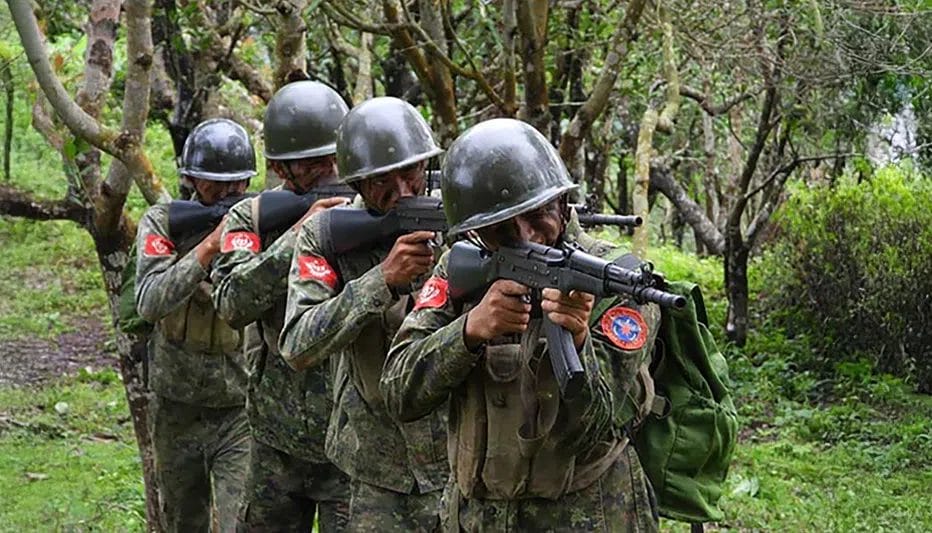
The Rohingya Muslims continue to flee towards Bengali territory to escape attacks by the Myanmar army and Buddhist extremist militias since August 25th in Arakan province.
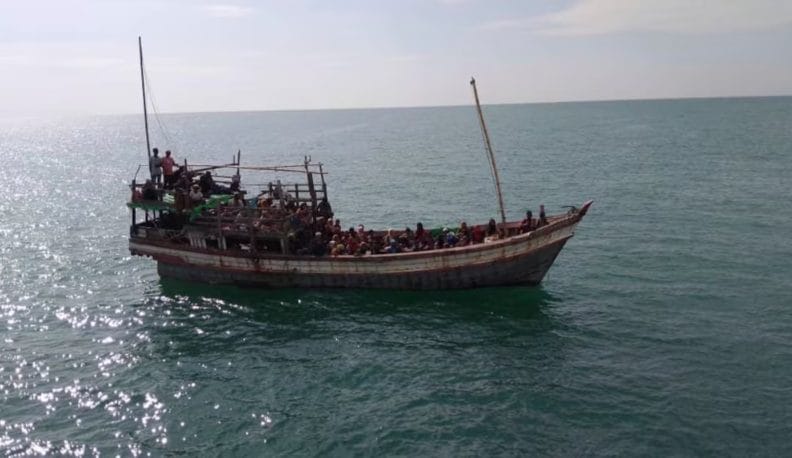
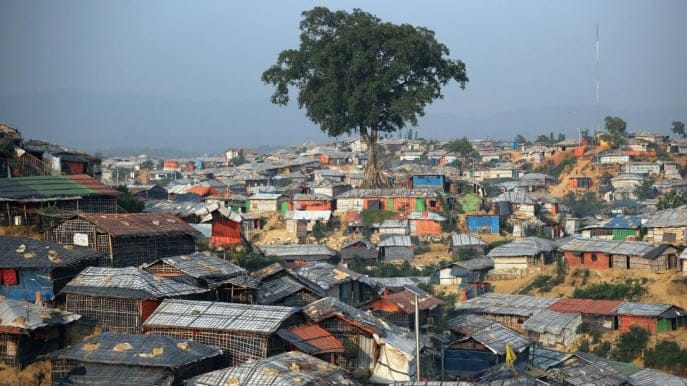
The refugees are forced to face several risks in order to reach the refugee camps in Bangladesh bordering Myanmar, using primitive boats to cross the Naf River.
One of the main threats to the flight of the Rohingya to the refugee camps in Bangladesh is the high level of Naf river water due to monsoon rains.
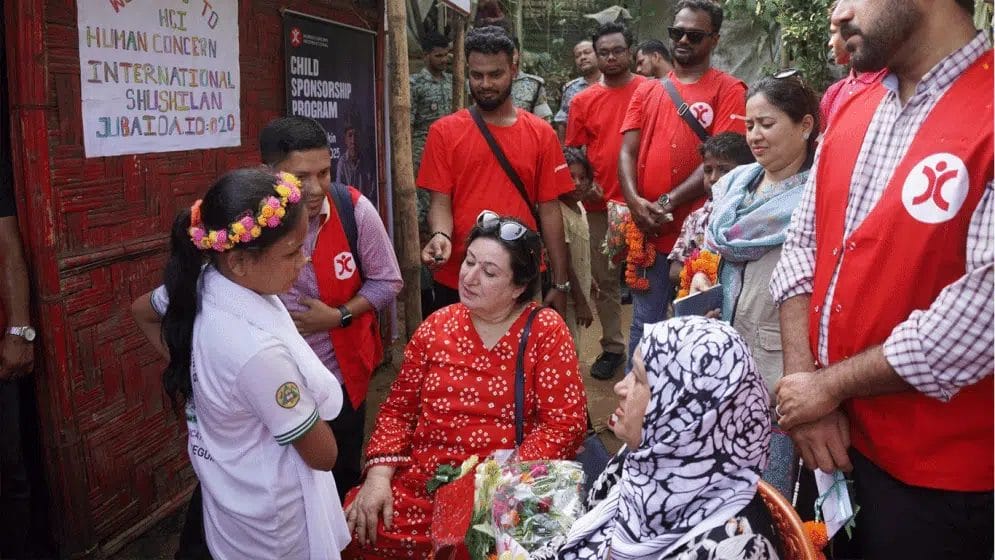
As part of the relief of the fugitives, the Muslims of Bangladesh provide their food assistance to the Arakan refugees, as well as volunteer doctors providing treatment at health centers and field hospitals.
The Bangladeshi doctor Mohammed Yousuf Hussein said in a press statement that “the refugees have very difficult living conditions.”
He stressed that “a large number of Rohingya are still coming to the territory of Bangladesh to escape the massacres that occur in their areas.”
“There are a lot of patients among the refugees coming to Bangladesh, and they’re are seeking treatment here, and we are providing them with detergents,” he said.
Since August 25th, the Myanmar army and Buddhist militias have committed genocide against the Rohingya Muslims in Arakan.
There is no clear census of the victims of the genocide, but a human rights activist in Arakan told Anadolu that they had identified 7,500 people killed and 6,541 wounded from Rohingya since the start of the genocide campaign until September 6.
On Tuesday, the United Nations announced the number of Rohingya Muslims fleeing Myanmar to Bangladesh since August 25 to 370,000, an increase of 57,000 refugees within one day.