Arakan News Agency | Exclusive
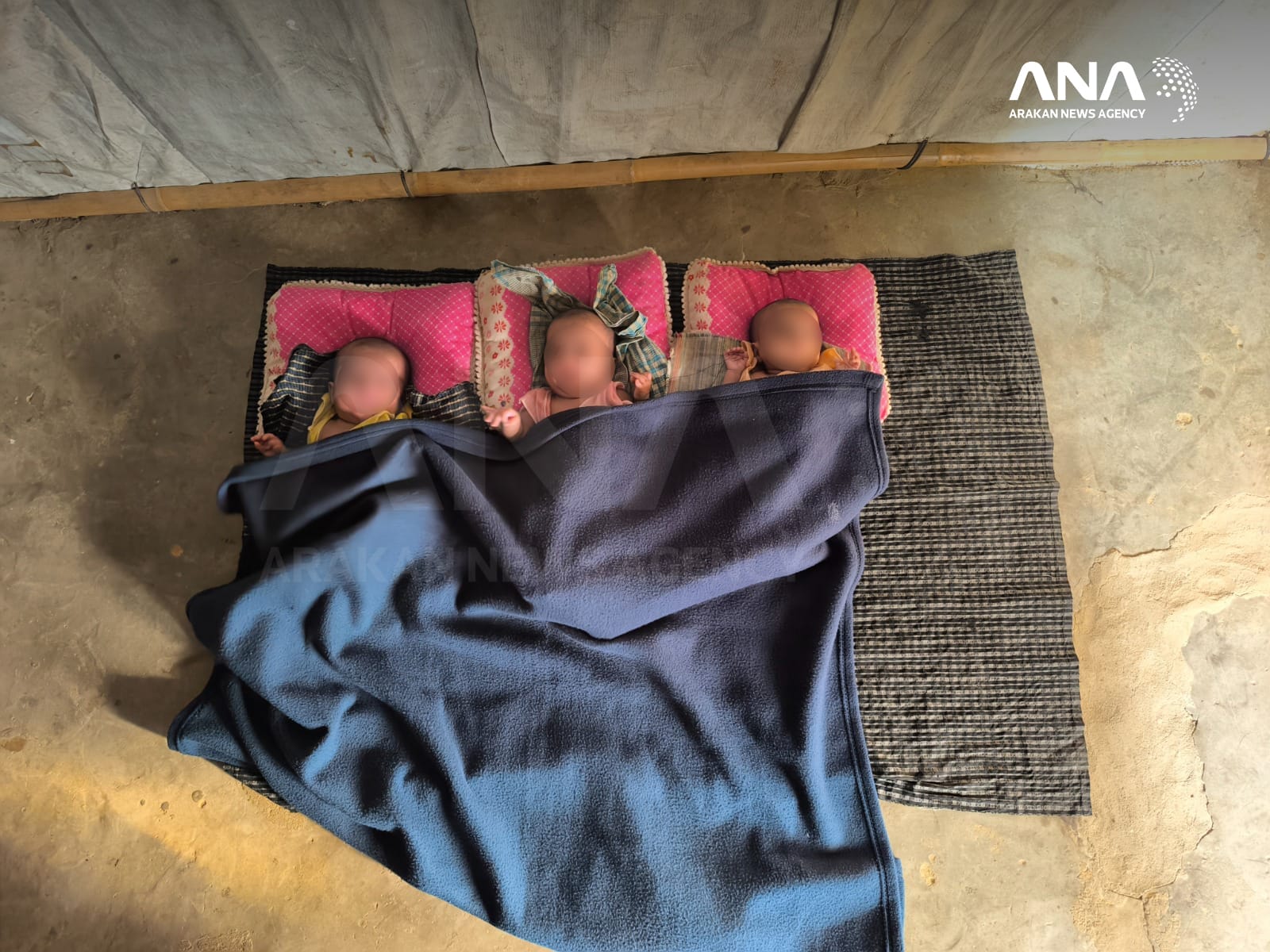
While the birth of quadruplets was a rare and joyful event in the Rohingya refugee camps in Bangladesh a few months ago, providing proper care for the four baby girls remains a continuous challenge for their Rohingya family, which suffers from limited support.
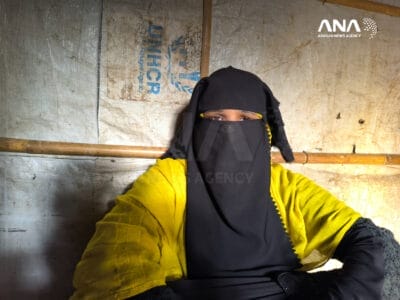
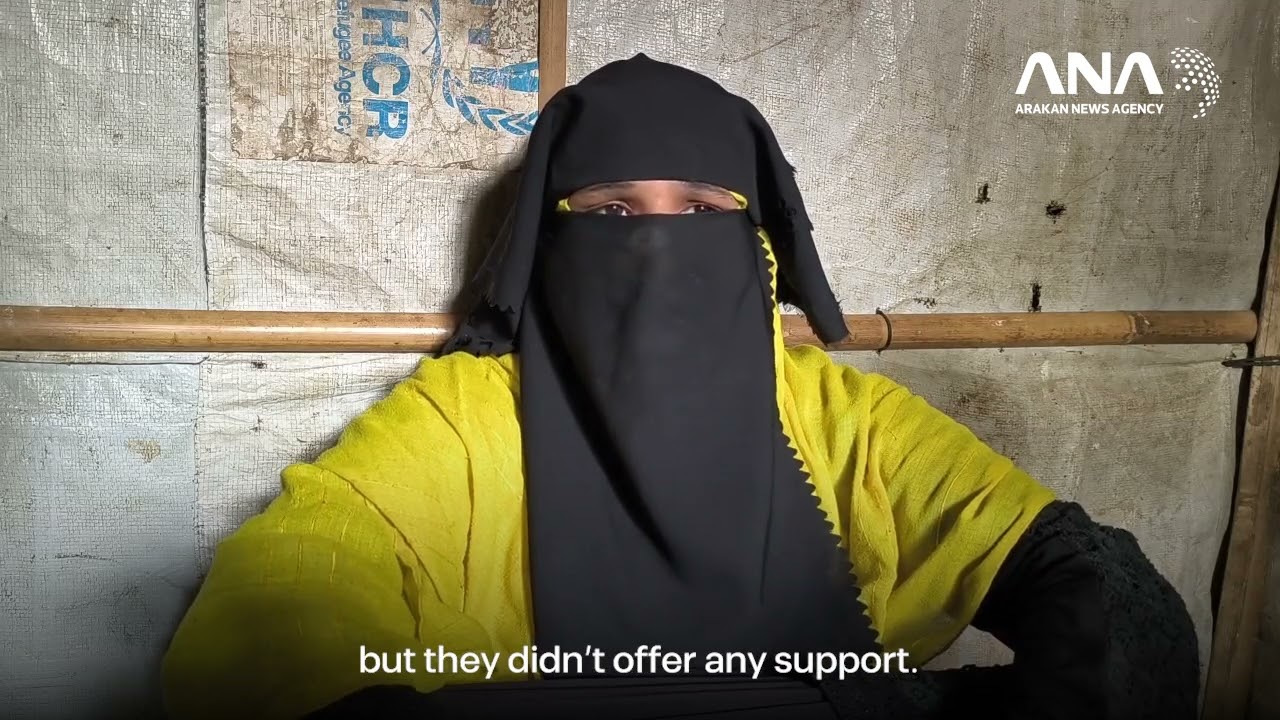
The mother of the quadruplets, Ayesha, told Arakan News Agency that the birth of her children was a happy and rare occasion celebrated by her community. However, she says caring for them properly is a major challenge due to her poor health condition and the lack of assistance from relief organizations.
She added that some workers from NGOs providing food aid occasionally visit to check on the children, but they say they cannot offer anything until the babies reach six months of age. “They keep saying that and then leave,” she said.
Ayesha, 30, said she bears full responsibility for her four daughters despite her physical weakness and constantly worries about their health and well-being. “No one around me has ever heard of a woman giving birth to four babies at once,” she said. “But thank God, everyone reacted positively, especially my husband he was very happy.”
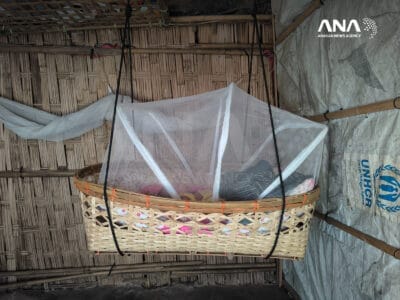
The mother said her daughters Noor Habiba, Umm Suleima, Bibi Fatema, and Asma Bibi are all in good health. Still, she has yet to adjust to her new reality as a mother of quadruplets. “When one of them wakes up crying, the others immediately follow and start crying too. In those moments, I don’t know what to do or what to offer them,” she said.
Ayesha told Arakan News Agency that she had no idea she was carrying four babies. “During the pregnancy, I visited a doctor for checkups, and they told me I was expecting twins. They never mentioned four. When it was time to deliver, they transferred me from the hospital to another run by Médecins Sans Frontières (Doctors Without Borders). That’s when I discovered I was having four babies. I was in complete shock and deeply anxious.”
She added that she stayed in the hospital for 32 days, during which she received excellent care. A support worker was assigned to help her breastfeed and care for the babies. “I truly appreciate all the help I received and pray that God gives me the strength to raise my daughters well,” she said.
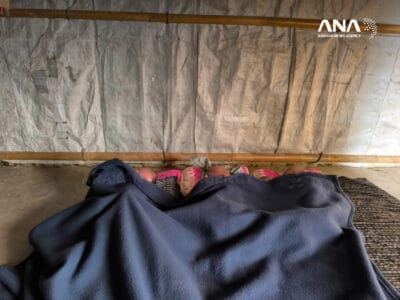
Ayesha gave birth to her quadruplet daughters in February, an extremely rare occurrence in the Rohingya camps of Cox’s Bazar, Bangladesh home to nearly 1.3 million Rohingya refugees and classified by the United Nations as the world’s largest refugee camp.
Large numbers of Rohingya fled to Bangladesh after facing genocide by the Myanmar military in 2017, and they continue to suffer from violations and the dangers of being caught in the crossfire between Myanmar’s army and the Arakan Army (a separatist group), which launched a military campaign to control Rakhine State in western Myanmar in November 2023.