Arakan News Agency
An exhibition of “Rohingya” photographs by David Verberckt has been opened in the National Theater Mostar, in honor of remembering the genocide in Srebrenica Bosnia and Herzegovina, reported by Anadolu Agency.
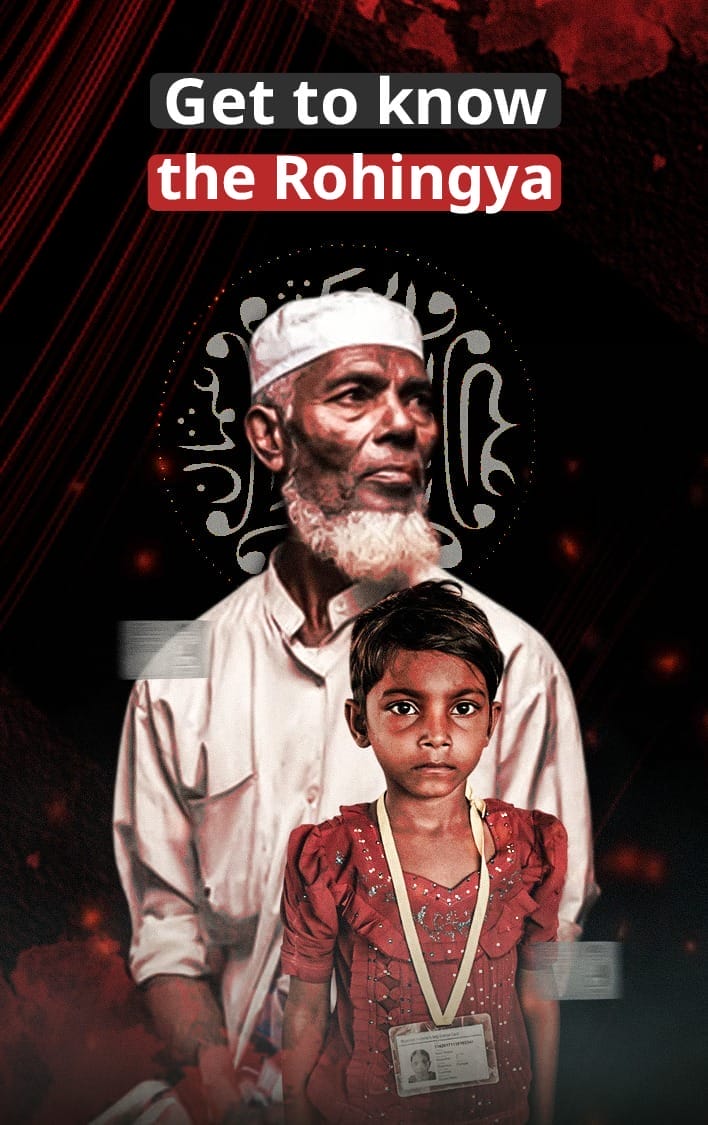
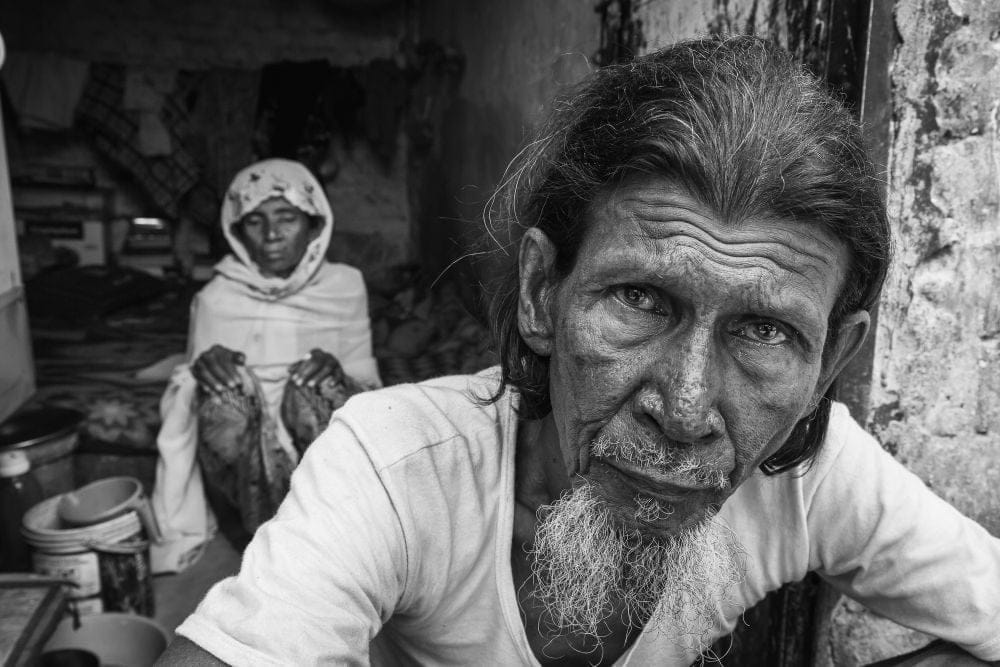
The Mostar audience has the opportunity to see 49 photos of members of the Muslim ethnic minority Rohingya who inhabit Myanmar, Bangladesh, Pakistan, India, Thailand, Indonesia, Malaysia and the region of Southeast Asia, which are considered the most vulnerable ethnic minority in the world.
At the beginning of the program accompanied by musical accompaniment, the poem Abdulah Sidran about Srebrenica was recited by Benjamin Mušinović, and afterwards, Almir Mujkanović, director of the National Theater Mostar and Nihad Kreševljaković, director of the MESS Festival, spoke about the exhibited photographs and the importance of setting up this exhibition in Mostar.
“This exhibition is an expression of our social responsibility. With the experience behind us, the need for developing the awareness of this kind seems even more important, and something that contributes positively to our society.” We who have lived through what we have experienced have the greatest obligation Continue to believe in a better world and be the voice of this better world here and now, “Kreševljaković said.
The fact that, after Sarajevo and Konjic, this exhibition is also set in Mostar, he said, this exhibition is even more important.
Mujkanovic points out that the exhibition of the author David Verbeckt, who is a freelance photo-resourced resident in Budapest, is of great importance to the people of Bosnia and Herzegovina because he emphasizes the culture of memory.
“This is our contribution to the culture of memory, which is especially important for people who have experience, and we have a specific experience of human genocide in Srebrenica,” Mujkanovic said.
He emphasized that exhibition in Mostar was opened on the occasion of marking the 22nd anniversary of the genocide in Srebrenica with the aim of attempting to sensitize Bosnia and Herzegovina public to respond to the evil that is happening to anyone in any part of the world, and Rohingya, as he pointed out, is the people who are experiencing the worst moments.
Members of the Rohingya minority want to portray themselves as human beings who have denied social, civil and human rights that are so often taken for granted in our society. His intention is to give these people a face and raise awareness of their misfortune and draw us all attention to the overly neglected humanitarian crisis and ethnic cleansing that is happening in the world. He hopes his photographs will contribute to a public debate on social justice.
Rohingya is a Muslim minority living mainly in Myanmar (Burma), and more than a million members of this nation are stateless in their own country. They were discriminated against, persecuted and deprived of citizenship in the late seventies by the Burmese authorities and were not even recognized as minorities. As a result, Rohingya Muslims were separated and excluded from civil society where they lived for generations. Without citizenship or documents, Rohingya Muslims do not belong to any country and are deprived of civil, social and human rights. They are denied access to the legal labor market, basic health services and have no right to education. Therefore, this exhibition aims to sensitize the public both in Bosnia and Herzegovina and the whole world to finally stop the evil that is happening to them.
Source : Anadolu Agency