Arakan News Agency
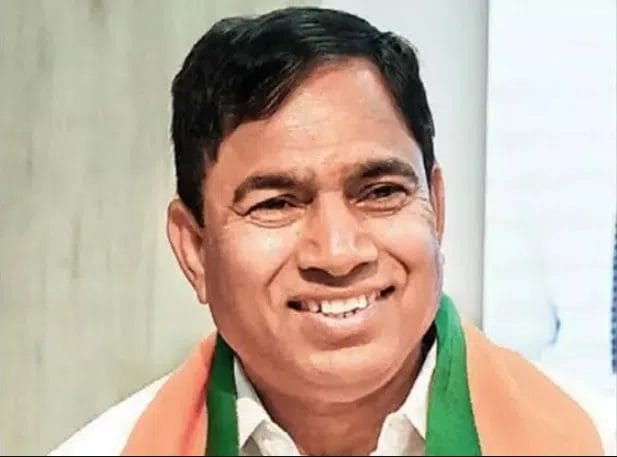
Forty-four retired judges in India have issued a joint statement defending Chief Justice of India Surya Kant amid widespread criticism over comments he made during a hearing regarding the status of Rohingya refugees residing in India. The retired judges described the attacks on the Chief Justice as a “coordinated campaign” aimed at undermining the judiciary by portraying legal inquiries as politically biased.
Controversial Remarks by Surya Kant
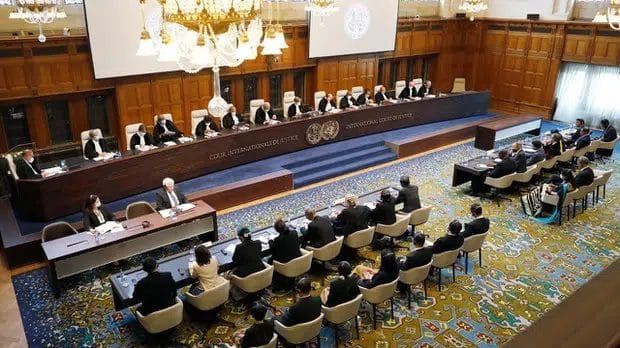
During a court session on December 2, the bench headed by Surya Kant examined a petition filed by lawyers concerning the enforced disappearance of five Rohingya refugees in India. The Chief Justice posed a simple legal question: “Who granted the legal status claimed by the petitioners?” The remark sparked controversy after some media outlets highlighted the bench’s reference to the Rohingya as “intruders” and its assertion that they could not be granted a “grand reception” in the country.
During the session, the Chief Justice questioned whether providing food, shelter, and education to undocumented migrants comes at the expense of impoverished Indian citizens, asking, “Do we want to extend the law to this extent? Aren’t our poor children more deserving of these benefits?” He emphasized that entering the country through tunnels or other illegal means does not justify claiming the same rights and benefits as citizens, adding that requests for court orders to release detainees who entered illegally were excessive.
Criticism from Former Judges and Lawyers
In response, prominent retired judges, senior lawyers, and officials involved in judicial reform issued an open letter to the Chief Justice, condemning his remarks as “dehumanizing.” They criticized the description of Rohingya refugees as “intruders” and the rejection of providing them a “grand reception,” stating that such comments ignored the refugees’ human rights protected under Indian law and international norms. The letter warned that these statements could indicate bias against the Rohingya and undermine public confidence in the judiciary’s ability to protect vulnerable groups, noting that the United Nations considers the Rohingya among the world’s most persecuted minorities.
Judicial Defense of Surya Kant
In their statement, the 44 retired judges asserted that the Chief Justice’s remarks were a “fundamental legal question” necessary for resolving any claims related to refugee status. They emphasized that the inquiry carried no element of hatred or bias and that framing it as “discrimination” or “dehumanization” severely misrepresents judicial proceedings.
Titled “Disparagement of the Supreme Court is Unacceptable,” the statement affirmed that the bench believes no person—Indian citizen or foreign national—should be subjected to torture, enforced disappearance, or inhumane treatment, and that human dignity is protected under the Constitution and law. The judges further noted that India is not a party to the 1951 Refugee Convention or its 1967 Protocol, so the status of incoming Rohingya is determined by domestic immigration and legal frameworks rather than international classifications.
The retired judges cautioned that turning basic legal inquiries regarding nationality or migration into allegations of bias threatens the independence of the judiciary. They warned that politicizing such issues could open the door for campaigns aimed at discrediting judicial bodies whenever sensitive cases arise.
The Rohingya Situation in India
These developments come amid ongoing debate over the status of Rohingya refugees in India, where authorities often treat them as undocumented migrants, raising questions about their legal rights. The lack of clear legal frameworks complicates court proceedings on cases of enforced disappearance and asylum requests.
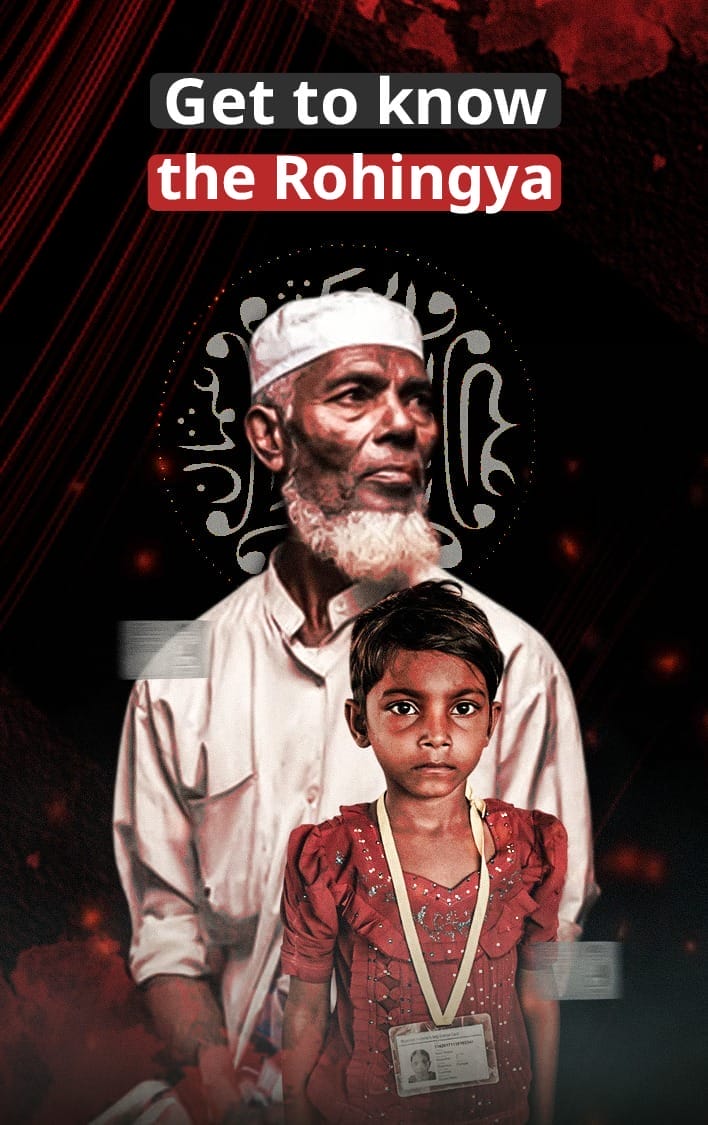
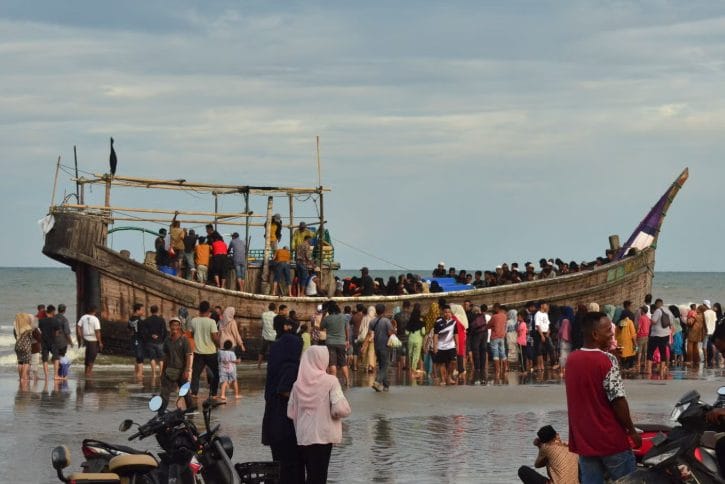
Over one million Rohingya fled Arakan State in western Myanmar after a military campaign of genocide in 2017. Renewed conflict in November 2023 between the Myanmar military and Arakan Buddhist militias (Arakan Army) resulted in further violence, displacement, and forced recruitment. Most refugees live in overcrowded camps in Bangladesh, while some seek to relocate to other countries for better living conditions.
In India, the Rohingya population is estimated at around 40,000, with more than half registered with the UN Refugee Agency (UNHCR).