
Arakan News Agency
The humanitarian response to the Rohingya crisis in Bangladesh is facing mounting challenges amid persistent funding gaps and growing security and health pressures. More than one million refugees—most of whom fled Myanmar in 2017—remain heavily dependent on international aid to meet their most basic needs.
Critical Funding Gaps
The UN High Commissioner for Refugees (UNHCR) reported that the 2025 Joint Response Plan (JRP) for the Rohingya crisis was only 38% funded by the end of October, according to the Financial Tracking Service, receiving USD 354.9 million out of the USD 934.5 million required, despite internal estimates suggesting funding levels may have reached 64%.
UNHCR warned that funding shortfalls are affecting priority needs, including hygiene supplies, sexual and reproductive health services, teacher stipends, and emergency assistance for new arrivals. The agency cautioned that prolonged underfunding could force refugees to adopt negative coping mechanisms.
UNHCR, in cooperation with the Bangladeshi government and its partners, manages 16 camps in Cox’s Bazar, in addition to camps on Bhasan Char island, hosting around 1.17 million refugees. Children account for 52% of the refugee population, while women represent 51.5% of all registered refugees.
Rising Security Violations in the Camps
A Joint Protection Monitoring Report documented an alarming 91% increase in abduction and extortion incidents during the third quarter of 2025 compared to the previous quarter, amid competition among criminal groups operating inside the camps, particularly in Teknaf.
Some ransom demands reportedly reached BDT 600,000, significantly heightening refugees’ fears for their personal safety.
UNHCR also confirmed that 136,518 newly arrived Rohingya have been recorded through the joint biometric identification exercise, receiving family cards that allow access to humanitarian assistance, though without formal refugee status or individual identity documents. The agency continues to press the Bangladeshi authorities for full registration of these individuals.
Health Services Continue Despite Severe Cuts
The World Health Organization (WHO) stated that essential health services remained uninterrupted across Rohingya camps in November 2025, despite sharp funding reductions. The 2026 health sector budget has been cut by 46% compared to the previous year, falling to USD 49.87 million, described by WHO as the absolute minimum required to sustain basic services.
WHO reported a sharp decline in cholera cases, with no confirmed infections recorded in November 2025, alongside continued decreases in dengue cases, with no new deaths reported. No confirmed cases of COVID-19, diphtheria, or chikungunya were detected during the same period.
In the area of immunization, more than 43,000 vaccine doses were administered to children under two years of age, while 410,345 Rohingya children were vaccinated against typhoid, achieving 86.3% coverage, with strong support from community leaders inside the camps.
WHO has also strengthened preparedness for natural disasters, particularly cyclones and fires, by supporting ambulance systems, equipping medical facilities, and distributing emergency kits and essential medicines, amid rising climate-related risks in the Cox’s Bazar area.
An Uncertain Future Without Durable Solutions
Despite ongoing humanitarian efforts, both UNHCR and WHO stress that the absence of a comprehensive political solution—foremost the safe, dignified, voluntary, and sustainable return of refugees to Myanmar—continues to leave the Rohingya crisis dependent on emergency aid, amid growing donor fatigue and declining international attention.
The two agencies warn that any further funding cuts will directly lead to deteriorating living and health conditions, potentially increasing instability within the camps and undermining the safety of both refugees and host communities.
The roots of the Rohingya refugee crisis lie in decades of systematic discrimination and persecution carried out by the Myanmar military and the ruling military council against the Rohingya in Arakan State, where they were denied citizenship and basic rights and subjected to severe restrictions on movement, education, and healthcare.
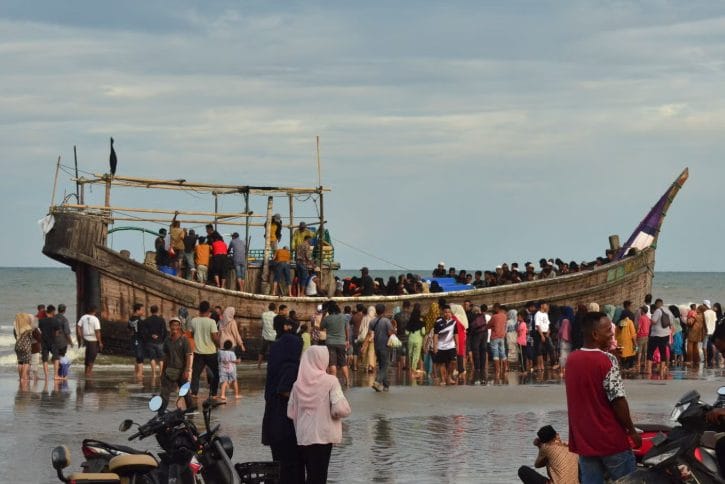
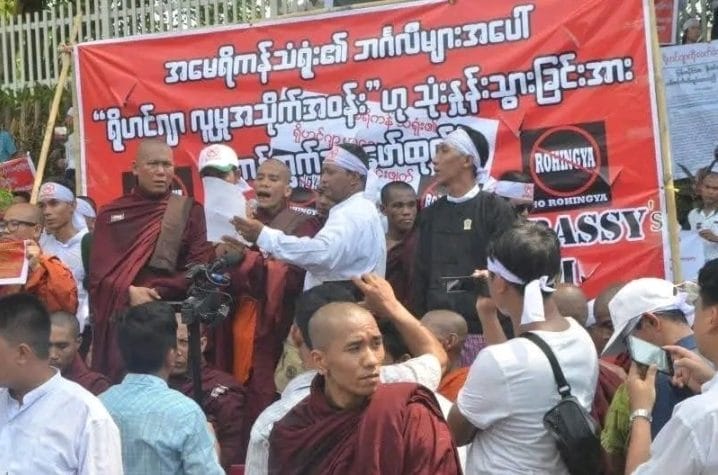
The crisis peaked in August 2017, when the Myanmar military, backed by local Buddhist militias, launched large-scale military operations in northern Arakan State, targeting the townships of Maungdaw, Buthidaung, and Rathedaung. The operations resulted in the killing of thousands of civilians, widespread human rights violations—including mass killings, rape, and village burnings—and forced more than 700,000 Rohingya to flee to Bangladesh within months.
Since then, Bangladesh has been hosting over one million Rohingya refugees in overcrowded camps in Cox’s Bazar and on Bhasan Char island, in one of the world’s largest protracted refugee crises, where refugees remain almost entirely dependent on international humanitarian assistance for food, shelter, healthcare, and education.