
Arakan News Agency
Buddhist and Muslim leaders in South and Southeast Asia are working to spread a message of peace and dialogue as interreligious conflict continues to threaten stability in Myanmar, Sri Lanka and other nations in the region.
Religious leaders from 15 countries released the “Yogyakarta Statement,” named for the city where it was written, on March 5, reaffirming that Islam and Buddhism “are religions of mercy and compassion committed to justice for all humankind.” Now the group is working to translate their message into as many languages as possible and give it to Buddhist and Muslim leaders and believers around the world.
The Yogyakarta Statement came out of a summit called “Overcoming Extremism and Advancing Peace with Justice.” The gathering was organized by the Indonesian Ulema Council and the Council of Buddhist Communities, and was sponsored by the International Forum of Buddhist-Muslim Relations.
Both Islam and Buddhism “respect the sacredness of life and inherent dignity of human existence, which is the foundation of all human rights without any distinction as to race, color, language, or religion,” the statement says. It also covers topics ranging from hate speech and religious diversity to living in harmony with the environment.
At the end of the document, the signatories committed to having their communities and congregations serve “as a platform for intra-religious and inter-religious initiatives in education and advocacy.”
“The statement is currently being translated into local languages and will be disseminated to senior, mid- and grassroots-level Buddhist and Muslim leaders and believers, women and youth groups,” said Rev. Kyoichi Sugino, the deputy secretary general of Religions for Peace International, an interfaith NGO.
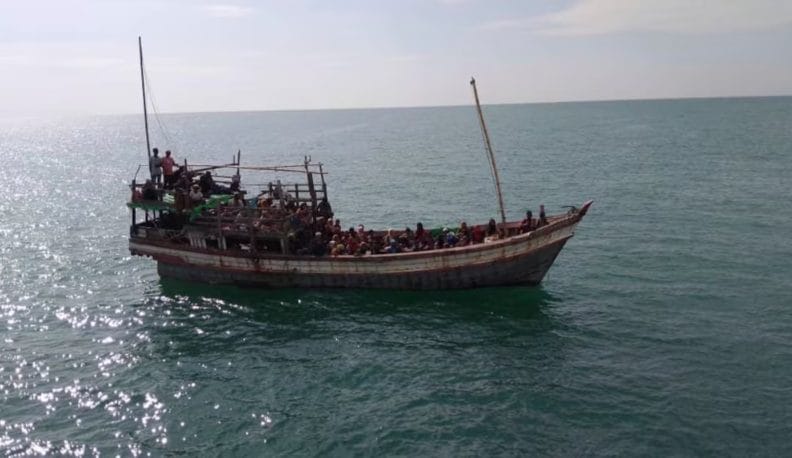
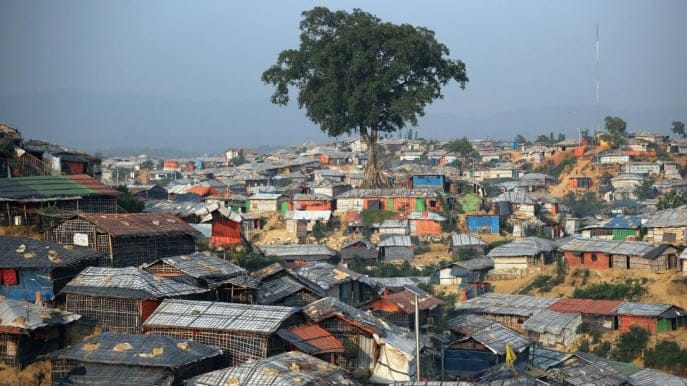
Much of the ongoing conflict in the region centers around the treatment of the Muslim Rohingya people in Myanmar, who have been denied citizenship and other basic human rights. Some of the worst fighting occurred in 2012, when clashes between Buddhists and stateless Rohingya Muslims left at least 192 people dead and displaced 140,000, according to Reuters.
Some fear that the conflict in Myanmar could spill into neighboring countries like Indonesia, fanning the flames of tension and inspiring Islamic militant groups. A 2013 bombing at the Ekayana Buddhist Centre in western Jakarta left people with only minor injuries, but was cause for concern because a note left by the anonymous attackers read: “We respond to the screams of the Rohingya.”
source : Huffington post