
Arakan News Agency
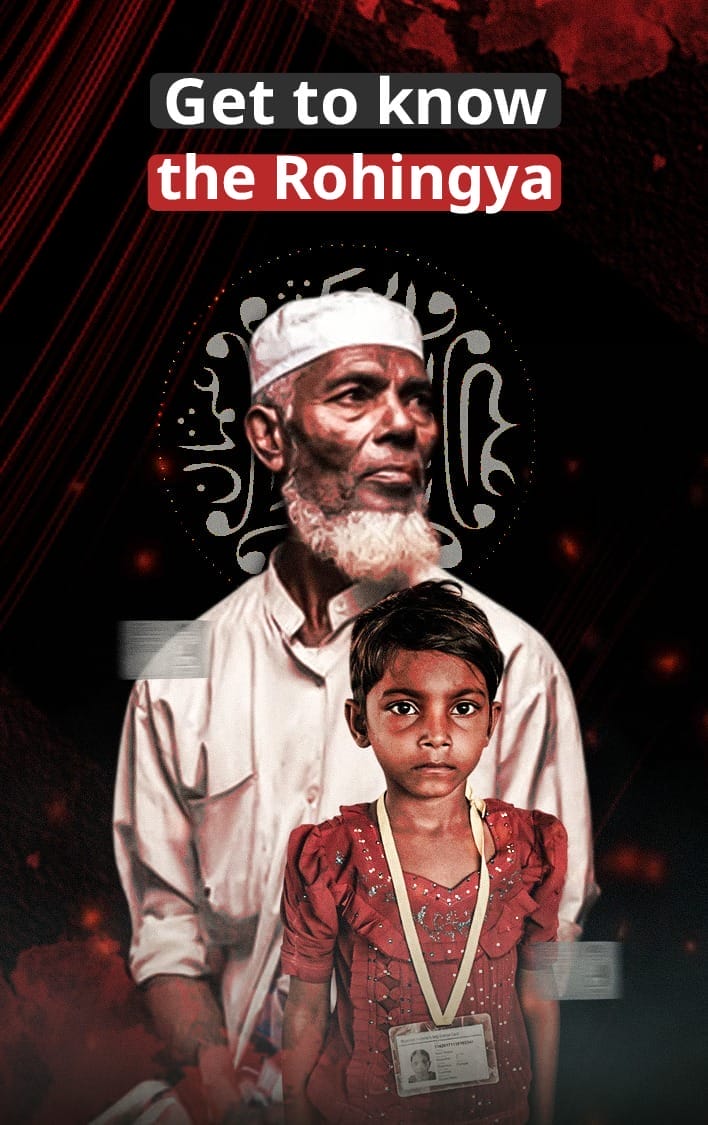
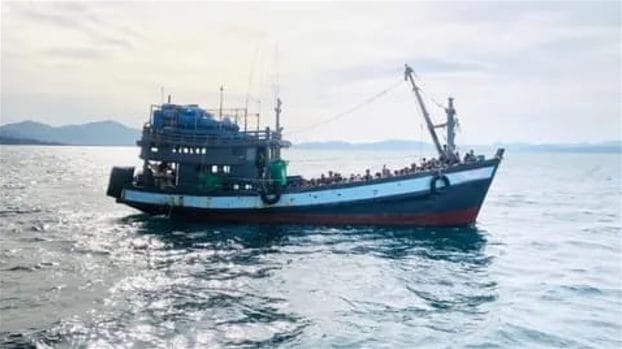
Thousands of Burma’s persecuted Rohingya Muslims have poured into neighbouring Bangladesh to scrape a living in makeshift camps. Yet once over the border, many face new hardships. Bangladeshi authorities tore down a refugee camp a month ago without warning. Our Observers describe the daily suffering of a stateless people.
The United Nations has called the Rohingyas one of the world’s most persecuted minorities. Since 1978, hundreds of thousands have fled the Burmese state of Arakan – now renamed Rakhine – where they suffer violent persecution at the hands of the state’s Buddhist majority. In accordance with a controversial government law, Burma doesn’t grant the Rohingya people citizenship. Many live in refugee camps that forbid humanitarian aid. Others have fled to neighbouring Bangladesh, a country which initially welcomed them in the name of Islamic solidarity but has since toughened its policies.
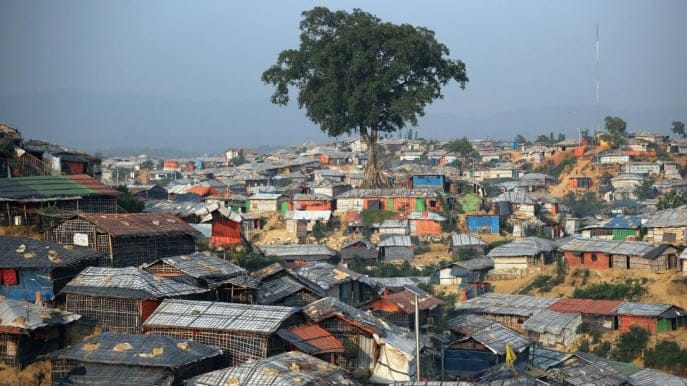
The camp torn down by Bangladeshi authorities was located near Shamlapur, a fishing village in the district of Cox’s Bazar. The area is famous for the long, pristine beaches that line the Bay of Bengal, making it one of the country’s most popular tourist destinations. Officials say the camp had to be demolished in order to “clear the area bordering the seafront”. Around 2,500 dwellings were uprooted, forcing thousands of Rohingyas [Editor’s note: 7,000 according to official figures, 35,000 according to a Bangladeshi newspaper] to find new shelter. Some headed towards other so-called unofficial camps dotted around Cox’s Bazar. The area is also home to Bangladesh’s two official camps, both of which are overcrowded. According to our Observers, some found shelter in a spot close to the site of the original camp.
“Sometimes, people go 48 hours without food”
Ahmed (not his real name) is a Rohingya who has lived in one of Bangladesh’s official refugee camps for 20 years. He keeps in touch with friends who live near Shamlapur.
Some of the Rohingyas who lived in Shamlapur had been there for 15 years. Overnight and without warning, they were forced to leave: the police came at the beginning of February and told them to pack their belongings and go. They told them that this wasn’t their country and that those who tried to stay would be sent to prison. The camp was completely destroyed.
A number of Rohingyas were able to settle nearby, on the other side of the coastal road, adjacent to a slumtown where Bangladeshis live. Most of the Rohingya there still live under plastic sheets in deplorable conditions. Others have started building shelters using bamboo wood. If they’re lucky they find scraps of plastic that they can use to build roofs.
The camp is desperately under-supplied. They need rice and food with protein. Sometimes, people go 48 hours without food. Some even go door-to-door knocking in neighbouring villages to beg for food.
Moreover, there’s a serious lack of drinking water: sometimes Bangladeshis accept to drive the Rohingyas to the nearest official camp – some 45 kilometres away – so that they can collect water. But most of the time, Rohingyas are obliged to drink seawater or stagnant water from nearby rivers. That’s already resulted in cases of diarrhoea. There’s also a risk of contracting cholera or other illnesses.
Source : Andrew Day is a Canadian humanitarian worker who carries out online campaigns to raise money for the Rohingyas. For several months, he’s criss-crossed refugee camps with a friend to help respond to some of their most urgent needs.