
Arakan News Agency
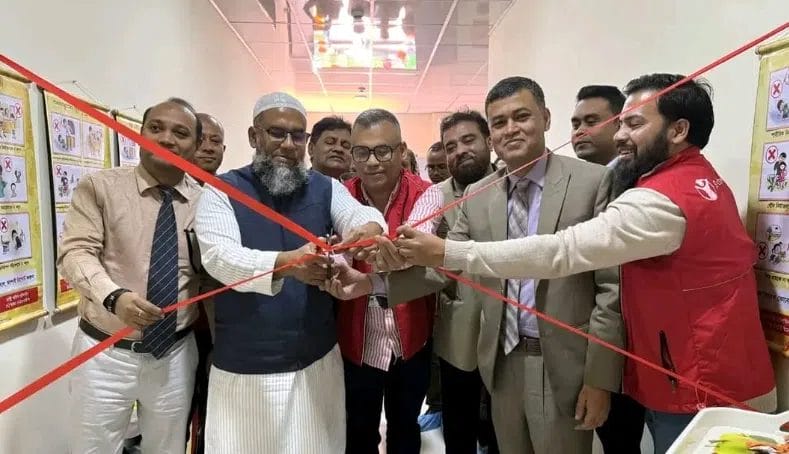
The World Food Programme (WFP) has welcomed a new financial contribution from the United Kingdom to support food assistance for Rohingya refugees and vulnerable communities in Bangladesh.
The UK’s latest donation aims to sustain WFP operations in Rohingya refugee camps in Cox’s Bazar, where more than one million refugees rely entirely on humanitarian aid for their basic food needs.
The contribution arrives at a critical time, as funding shortages have increased pressure on food security programs in the world’s largest refugee settlement, raising concerns among humanitarian agencies about potential reductions in food rations.
WFP officials expressed appreciation for the UK’s support, highlighting that such contributions are vital to ensure continued distribution of food assistance to those in need, according to ReliefWeb.
The funds are expected to help maintain ongoing food distribution, including e-voucher programs that allow Rohingya refugees to purchase essential food items from local markets and WFP-supported shops.
Over the past years, the UK has been one of the leading donors to humanitarian response efforts in Bangladesh, particularly regarding the Rohingya crisis.
Its support has strengthened food security and nutrition programs, alongside other humanitarian initiatives benefiting both refugees and affected host communities in Cox’s Bazar.
WFP continues to call for sustained and increased international support to meet urgent food needs, warning that any further reduction in aid could endanger the health and safety of Rohingya refugees and other vulnerable groups.
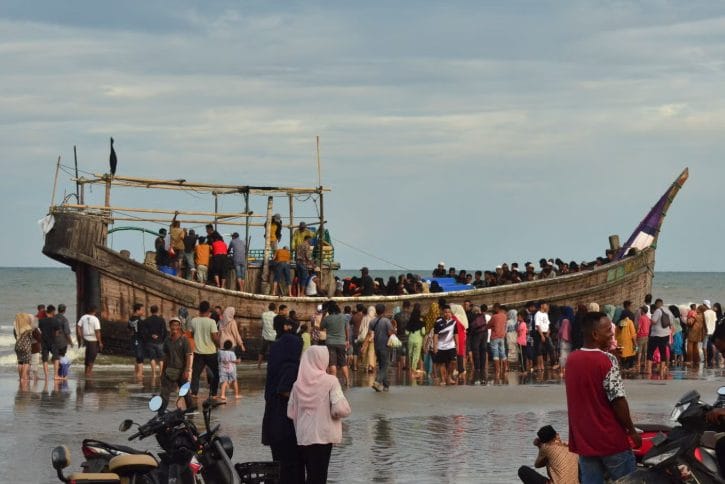
Since 2017, more than one million Rohingya refugees have been living in overcrowded camps in southern Cox’s Bazar after fleeing Arakan State due to widespread abuses by the Myanmar military.
WFP food security programs remain a lifeline for the refugees amid restrictions on employment and movement within the camps.
However, these programs face growing pressure from a global humanitarian funding shortfall, threatening ration cuts and raising serious concerns about malnutrition, particularly among children, women, and the elderly.