
Arakan News Agency
Rohingya leaders have called on the U.S. government to ensure that refugees from the Muslim minority who fled a military crackdown in Myanmar’s northern Arakan state to neighboring Bangladesh not be forced to return to the Southeast Asian country unless officials can guarantee their security and restore their citizenship.
The Myanmar military launched a brutal crackdown targeting the Rohingya in response to deadly terrorist attacks by a Muslim militant group in August 2017. The Rohingya endured killings, arson, rape, and torture during the campaign, which forced about 655,000 of them to flee to safety in Bangladesh.
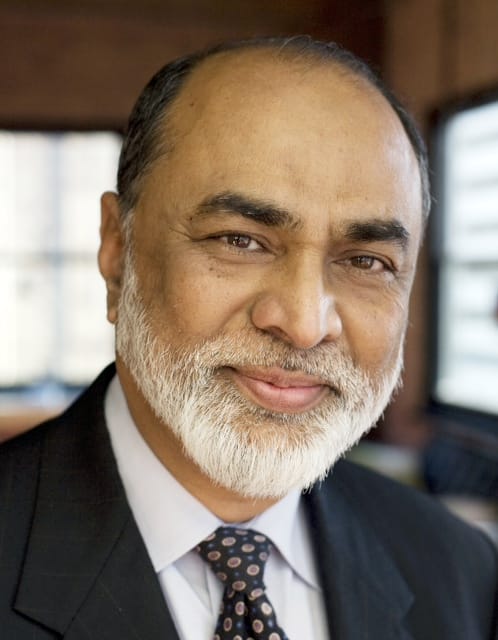
“Rohingyas must not be sent back to the genocide zones of Burma without security and citizenship,” said Abdul Malik Mujahid, chairman of Burma Task Force USA, a coalition of 19 U.S. and Canadian Muslim organizations dedicated to advocating for the Rohingya and ending genocide in Myanmar.
He was one of several Rohingya leaders from across the U.S. who participated in a panel discussion in Washington, D.C., on the situation in northern Arakan state and were part of a delegation that met on Capitol Hill.
Saw Hlaing, executive member of the Burmese American Muslims Association based in California, told RFA’s Myanmar Service that the government of Myanmar’s de facto leader Aung San Suu Kyi cannot resolve the problems in ethnically and religiously divided Arakan state without the collaboration of military leaders and the nation’s former leaders.
He said that a relative told him how Myanmar army soldiers and ethnic Rakhine mobs attacked Rohingya villages during the crackdown.
“My sister saw with her own eyes in her village that the Myanmar army and [ethnic] Rakhine extremists set fires and killed people,” Saw Hlaing said. “The village’s name is Vasala in the Rohingya language.”
The Myanmar government and army have denied allegations of atrocities committed by soldiers against the Rohingya, even though both the United Nations and United States say the crackdown amounts to ethnic cleansing.