
Arakan News Agency
A survey conducted by the Myanmar Task Force of the human rights organization Justice for All, based in the United States and Canada, revealed that only 3% of school-age Rohingya girls living in refugee camps in Bangladesh are receiving any formal education despite females making up 52% of children of school age.
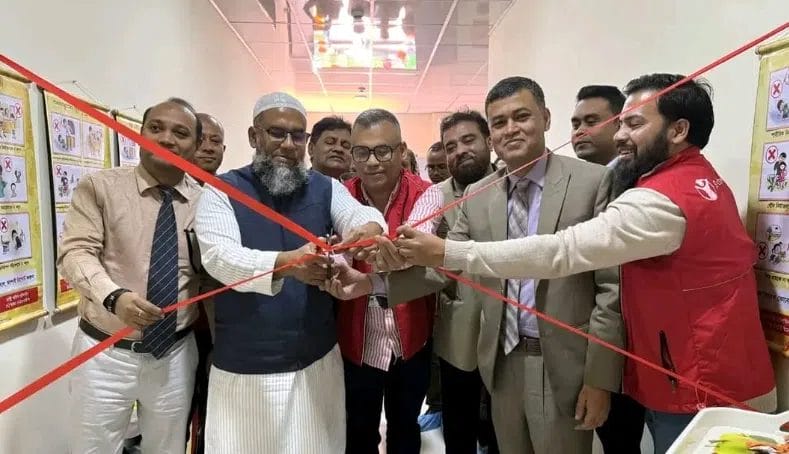
Imam Abdul Malik Mujahid, the chairman of Justice for All and head of the Myanmar Task Force, presented the findings during a press conference held on Tuesday in the Banani district of Dhaka. He described the educational situation in the Rohingya camps as “catastrophic,” urging the Bangladeshi government to adopt a coordinated, accredited, and comprehensive educational framework for Rohingya refugees.
He stated, “The government and people of Bangladesh have shown exceptional compassion toward the Rohingya. Now is the time to build education. Having a coordinated system will ensure that Rohingya children especially girls are not deprived of their future.”
The organization submitted its recommendations to Chief Adviser Muhammad Yunus, based on field research and recent visits to the Cox’s Bazar camps. The recommendations focused on three key steps:
Issuing a national policy directive to develop a unified educational framework for the Rohingya;
Establishing an accredited certification system that enables students to pursue higher education and access job opportunities; and
Allowing American Islamic organizations to contribute to educational initiatives, leveraging their charitable resources and expertise.
The report noted that the Muslim community in the United States donates over $4 billion annually to charitable causes and expressed readiness to mobilize support for educating Rohingya children, ensuring that no child is left behind.
The survey covered 1,000 Rohingya women, along with consultations with teachers and administrators and visits to schools inside the camps. It was conducted in November and December 2024, and a seven-member delegation of staff and volunteers visited the Kutupalong camp in December, where they heard firsthand testimonies from Rohingya women about their experiences.
Former chair of the U.S. Commission on International Religious Freedom, Nadine Maenza, said that education is not only a humanitarian act by Bangladesh but also a strategic investment in stability. “An uneducated generation will increase dependency and insecurity, while an educated one can contribute to peace and resilience for both Bangladesh and Myanmar,” she stated.
Delegation member and former Amnesty International spokesperson Richard Riewitsch added that education is “the true pathway to saving the lives of young people trapped in the camps.”
Earlier, the United Nations Children’s Fund (UNICEF) warned that 350,000 Rohingya refugee children could be permanently deprived of education by 2026 due to severe cuts in international funding for education.
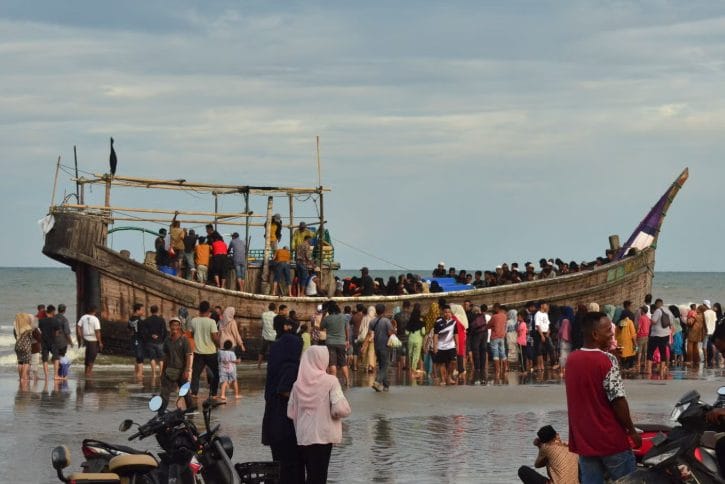
More than one million Rohingya refugees currently live in Bangladesh after fleeing Myanmar’s genocidal military campaign against them in 2017. Their displacement has worsened amid renewed fighting between the Myanmar military and Arakan Buddhist militias (the Arakan Army) since November 2023, which has subjected them to further violence, displacement, and forced recruitment.