
Arakan News Agency | Exclusive
A Rohingya refugee fisherman from Camp 14 in Cox’s Bazar was killed while fishing in the Naf River near the Waikhom area along the Bangladesh–Myanmar border, in an incident reportedly involving the Arakan Army (AA), local sources said.
The victim, identified as Kabir Ahmed, 41, supported his family through fishing. On December 16, 2025, he went to the Naf River with a relative and several other fishermen when he was allegedly shot and killed by members of the Arakan Army.
After Kabir Ahmed failed to return home, his family and relatives launched a search but received no information about his whereabouts for several days. Late last night, the family received confirmation of his death after seeing his photograph and being informed by the Border Guard Bangladesh (BGB) that his body had been recovered from the Naf River.
According to information provided to the family, Kabir Ahmed died from gunshot wounds. Following the recovery, his relatives went to receive the body after it was brought from the river by BGB personnel.
The incident has sparked deep grief and fear among Rohingya refugees living near the border, particularly those who depend on fishing in the Naf River as their primary source of income.
Community members said Rohingya refugees already live in extreme poverty and vulnerability, stressing that such incidents further endanger their lives and livelihoods. They described Kabir Ahmed’s killing as “inhumane and unjust,” emphasizing that he was a civilian fisherman with no involvement in armed conflict.
Rohingya leaders and members of the victim’s family have called for an independent and transparent investigation into the killing and urged authorities to take urgent measures to ensure the safety of civilians who rely on the Naf River for their daily survival.
They also appealed to the international community and human rights organizations to pay serious attention to the ongoing violence and insecurity faced by Rohingya people in border areas.
“What happened is a grave injustice to us,” a relative of the victim said. “Our people are being killed simply for trying to survive.”
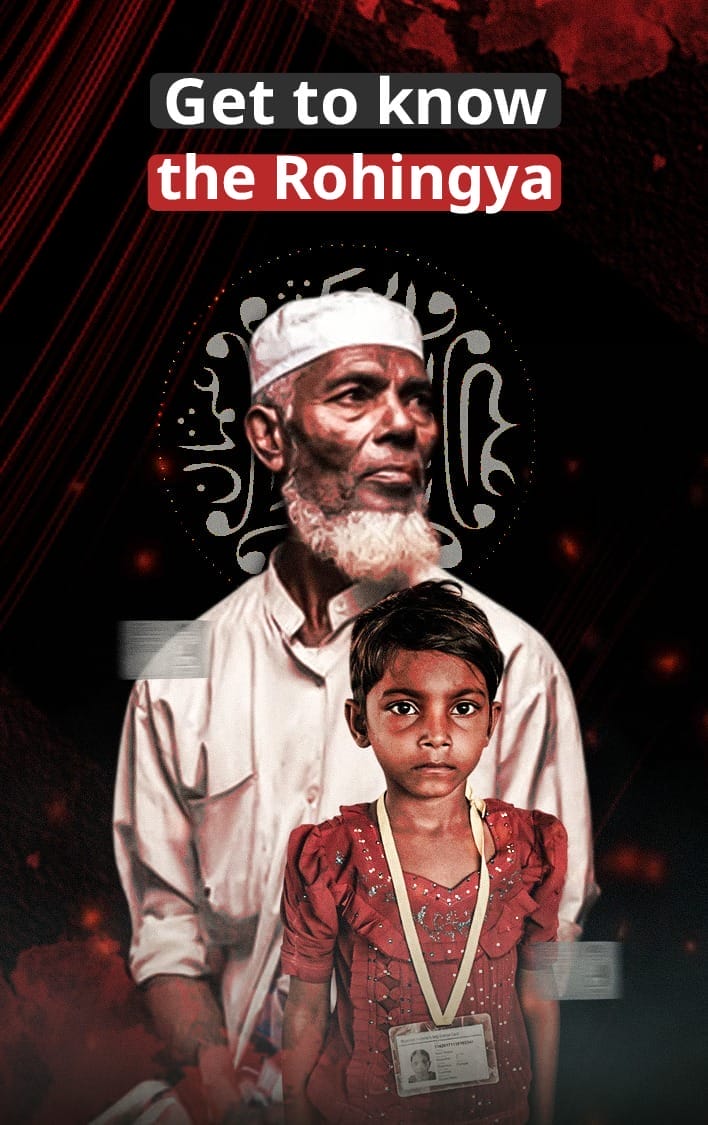
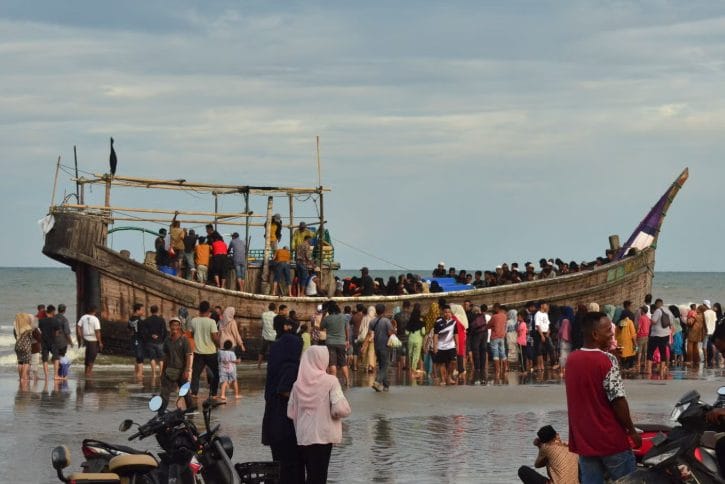
More than one million Rohingya refugees currently live in Bangladesh, most of them in overcrowded camps in Cox’s Bazar, after fleeing Myanmar since 2017 following a large-scale military crackdown marked by widespread violence and forced displacement.
Rohingya refugees continue to face dire humanitarian conditions, including extreme poverty, lack of employment opportunities, and near-total dependence on aid, forcing many to seek risky livelihoods such as fishing in border waters, amid growing concerns over their safety and security.