Arakan News Agency
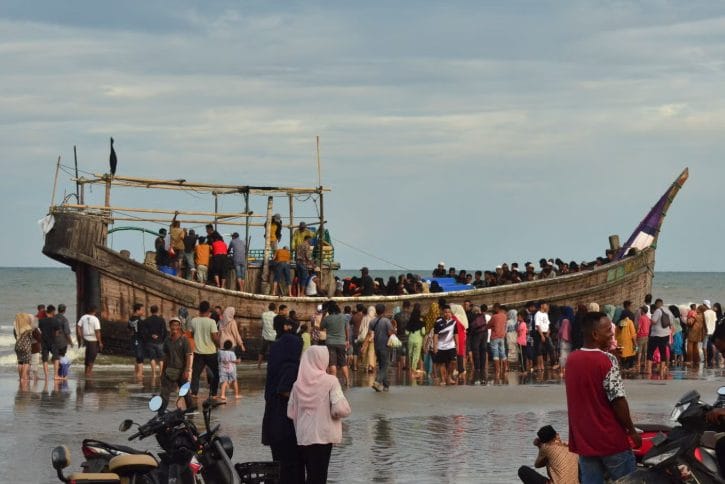
The International Organization for Migration (IOM) said 2018 will not end the violence of the Rohingya minority in Myanmar, where they continue to flee to neighboring Bangladesh in the new year, citing reports that violence and fear are forcing them to flee their homes.
Joel Milman, spokesman for the organization, said at a press conference in Geneva on Friday that about 4 thousand and 200 refugees from Rohingya arrived in Bangladesh last December, with the arrival of more every day, pointing out that despite the decrease in the number of arrivals daily, since the peak of the flow last summer, but many who have arrived in Bangladesh stress that they face additional challenges, which delay their flight.
Milman noted that the most vulnerable cases among refugees are mostly single mothers, widows or persons with disabilities, as well as people struggling to prepare shelter or survive without additional support from IOM and partner organizations.
Since the start of the Rohingya crisis in late August 2016, the organization has managed to reach to more than 620,000 people through shelter assistance. IOM staff has identified some 14,361 people requiring additional support, while more than 3,830 people have received first aid In addition to the access to more than 150,000 primary health care patients.
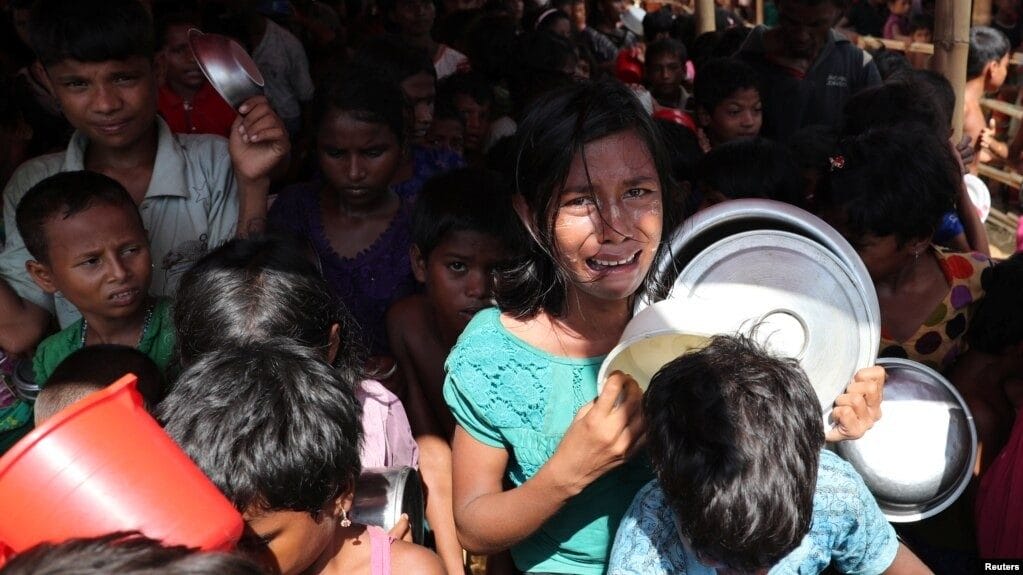
More than 90 percent of Rohingya refugees in Cox’s Bazaar have received emergency food aid, but a major concern remains unlimited access to a well-balanced and balanced diet, according to a World Food Program study.
The program will expand the new coupons program in the new year 2018 in the Cox’s Bazaar refugee camp, where the program is already providing vouchers to about 700,000 refugees, after it has been shown that this system leads to families getting a more diversified diet, Women can adapt to the needs of the family, and the system has proved to be less expensive than the actual distribution of food to refugees.