Arakan News Agency
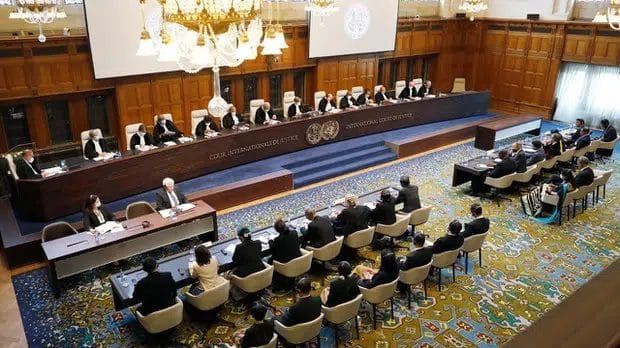
India’s Supreme Court has granted the Union government two weeks to submit its response to a habeas corpus petition alleging the custodial disappearance of Rohingya individuals while in detention.
The decision was issued during a hearing presided over by Chief Justice Surya Kant and Justice Joymalya Bagchi, as the court considered a petition filed by activist Rita Manchanda, who raised concerns over the disappearance of Rohingya persons under unclear custodial circumstances.
The Union government was represented by Solicitor General Tushar Mehta. During the proceedings, counsel for the petitioner requested that the case be linked with other similar petitions pending before the court. While the government objected to formally tagging the cases, it proposed that the matter be listed on 13 January 2026, alongside related cases—a suggestion accepted by the Bench. The court accordingly scheduled the next hearing for that date, after allowing the government two weeks to place its affidavit on record.
In an earlier hearing on 2 December, the Supreme Court had raised questions regarding the legal status of Rohingya in India, asking whether the government had officially recognised them as “refugees.” The petitioners informed the court that five Rohingya individuals had been taken into custody by Delhi police earlier this year, with no subsequent information available about their whereabouts, prompting judicial scrutiny of refugee status and the legal obligations arising from it.
The Bench also noted the sensitivity of issues related to borders, national security, and irregular migration, stressing that such matters must be examined strictly within a legal framework and alongside other connected petitions.
Following the December hearing, more than thirty former judges, senior lawyers, and members of the Campaign for Judicial Accountability and Reforms issued an open letter dated 5 December 2025, expressing deep concern over certain remarks made during the proceedings. The signatories urged a public reaffirmation of the judiciary’s commitment to constitutional values and the dignity of all persons within India, warning that hostile rhetoric toward vulnerable groups could undermine public trust in the courts.
In response, 44 retired judges—including two former Supreme Court judges, six former Chief Justices of High Courts, and 36 former High Court judges—issued a separate statement rejecting what they described as a targeted campaign against the Chief Justice. They argued that constitutionally grounded judicial questioning had been unfairly portrayed and cautioned that labeling such inquiries as prejudice or hostility could threaten judicial independence.
These developments come amid ongoing human rights concerns regarding the Rohingya in several countries, with growing calls for transparency, adherence to the rule of law, and protection of fundamental rights, particularly in cases involving detention and alleged enforced disappearances.