
Arakan News Agency
Nearly half a million Rohingya children have become better protected against typhoid fever after being included in a nationwide Typhoid Conjugate Vaccine (TCV) campaign across Bangladesh.
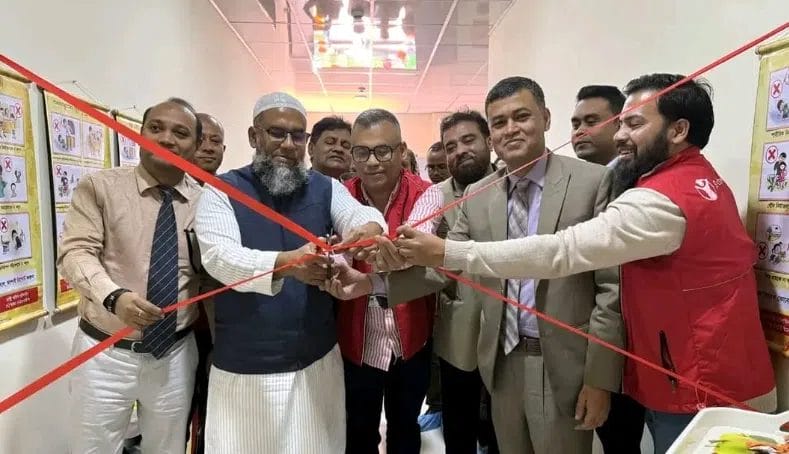
The campaign was carried out between November 2 and 25, 2025, with technical support from the World Health Organization and health partners. A special phase was allocated for the camps in Ukhiya and Teknaf to ensure that children in one of the country’s most high-risk areas receive effective protection from preventable diseases.
By the end of the campaign, 410,345 children had received the vaccine, achieving a coverage rate of 86.3%. This reflects strong coordination between government authorities, the World Health Organization, and local partners, in addition to community participation and effective field operations. The campaign was implemented according to the highest safety standards, with strict maintenance of the cold chain and continuous monitoring of post-vaccination adverse events.
The Civil Surgeon of Cox’s Bazar, Dr. Mohammad Haque, said: “This campaign is vital to protect children from a serious and ongoing threat. The strong technical involvement of the World Health Organization ensured safe and high-quality implementation across all camps.”
These efforts come amid the ongoing challenge of typhoid in the Rohingya camps, where overcrowding, limited access to clean water, and poor sanitation contribute to the frequent spread of outbreaks.
Surveillance data from January 2024 to November 2025 indicate clear seasonal increases in suspected cases, with notable peaks in late 2024 and mid-2025, reflecting the need for sustainable preventive measures.
The campaign included intensive training for health workers, with 270 participants receiving instruction on vaccine administration, injection safety, cold chain management, and the reporting of any adverse events following immunization.
Local communities were also engaged, including majhis and imams, to explain the benefits of the vaccine and encourage parents to bring their children for vaccination.
Dr. Anthony Ishofoni, Head of the Health Security and Emergencies Team at the World Health Organization, said: “WHO is working closely with the Government of Bangladesh to ensure that at-risk children are protected through safe and effective vaccination. Alongside improvements in drinking water, sanitation, and hygiene, expanding vaccine coverage will play a crucial role in reducing severe and drug-resistant infections.”
The introduction of the TCV vaccine as part of the national campaign represents a long-term investment in children’s public health, including among the Rohingya population, aiming to reduce the burden of typhoid and prevent future outbreaks.
The World Health Organization and the Government of Bangladesh will also continue to strengthen routine immunization programs, improve water and sanitation conditions, and closely monitor diseases to protect children and preserve the public health gains achieved through this campaign.
On November 2, the typhoid vaccination (TCV) campaign was launched and covered 33 Rohingya refugee camps in Cox’s Bazar, Bangladesh, with the aim of protecting children from the life-threatening yet preventable disease of typhoid fever.
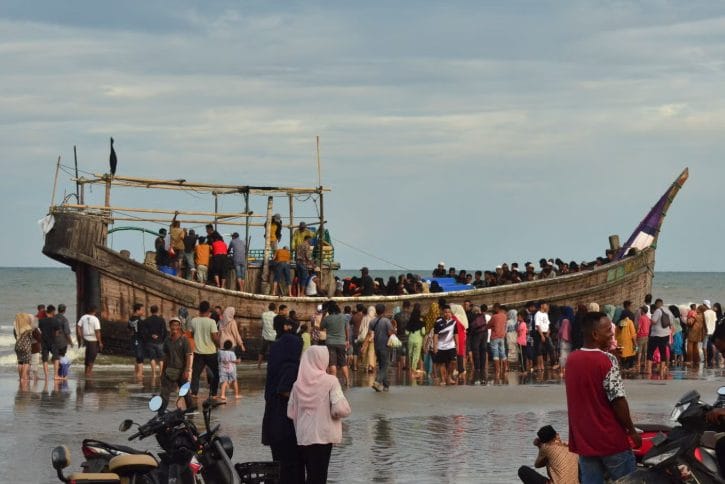
Bangladesh hosts approximately 1.3 million Rohingya refugees in the Cox’s Bazar camps, which the United Nations classifies as the largest refugee camp in the world. Refugees have been living in difficult humanitarian conditions since fleeing Myanmar in 2017 following the “genocide” campaign launched by the Myanmar military against them. Waves of displacement to Bangladesh also resumed after fighting broke out in November 2023 in Arakan State between the Myanmar military and Buddhist Arakan militias (the Arakan Army).