
Arakan News Agency
Bangladesh is likely to sign an agreement with Myanmar ‘soon’ to send back the Rohingya refugees, Foreign Secretary Md Shahidul Haque has said.
He said the two countries would form a joint working group after Foreign Minister AH Mahmood Ali’s visit to Myanmar by the end of this month.
“Then the two countries would sign the agreement to repatriate the Rohingyas,” he added.
He was speaking at a dialogue titled ‘Addressing Rohingya Crisis: Option for Bangladesh’ organised by Centre for Policy Dialogue or CPD in Dhaka on Saturday.
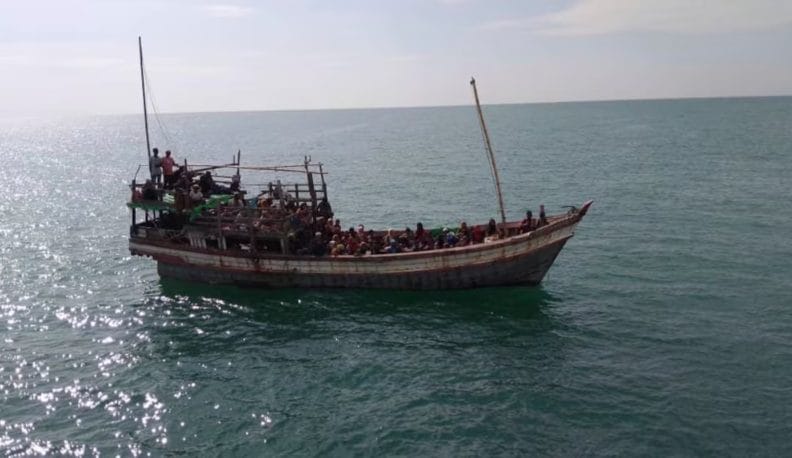
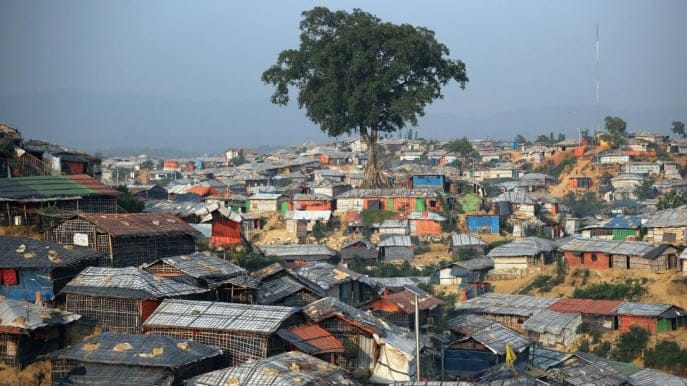
Bangladesh has been demanding for long that Myanmar must take back their nationals who fled decades of persecution in Arakan State. It reiterated the demand and sought international support after the latest exodus of Rohingyas started in late August.
Over 600,000 Rohingyas have joined around 400,000 refugees in Bangladesh in the latest influx.
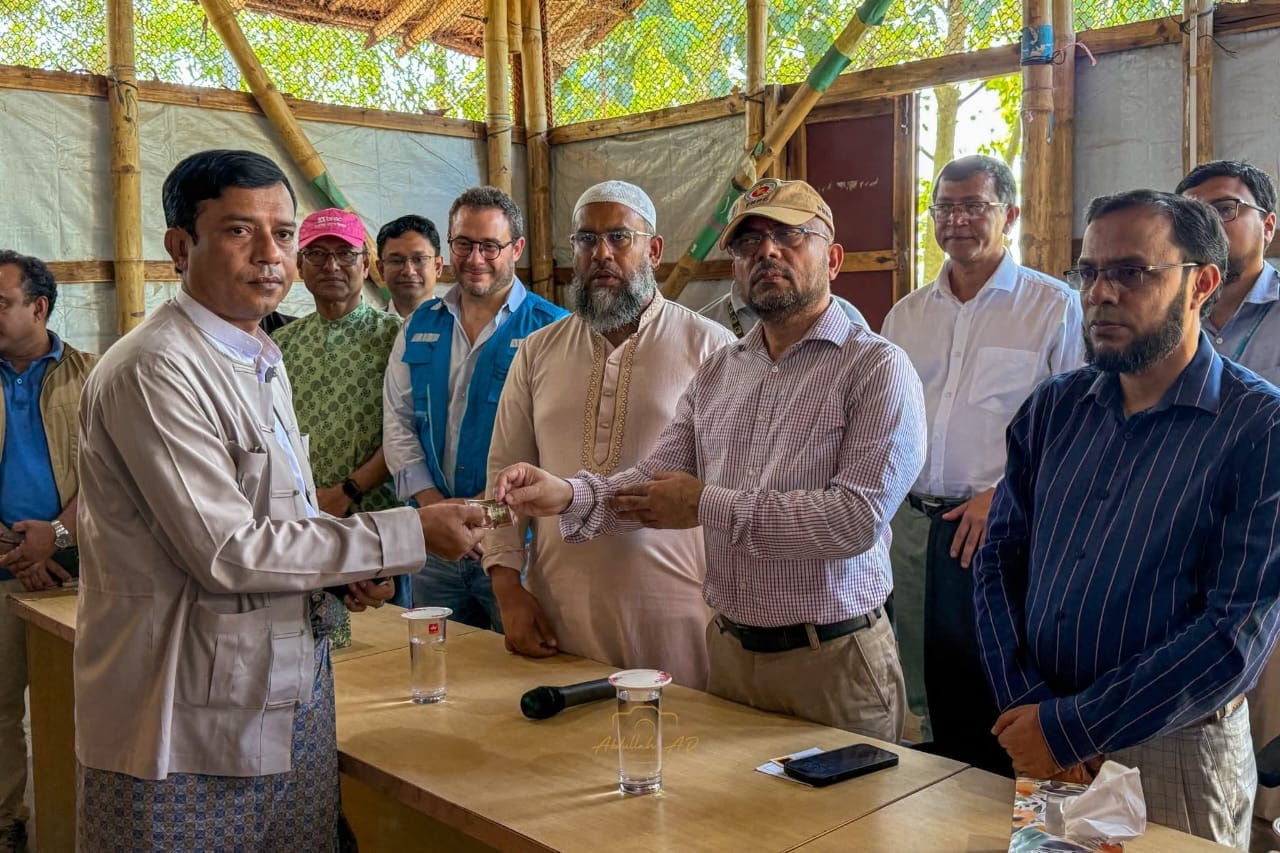
Home Minister Asaduzzaman Khan visited Myanmar last month to discuss the repatriation process following the visit by a minister of Myanmar’s de facto leader Aung San Suu Kyi.
The two governments agreed to form a joint working group to repatriate the Rohingyas, officials said.
The foreign secretary said the relations with Myanmar as a neighbouring country should not be harmed while settling the Rohingya issue.
“We are working on a peaceful solution together. We hope we will succeed to do this,” he said.
Shahidul said Bangladesh maintained the diplomatic norms and was “not upfront to say that Myanmar was conducting ethnic cleansing on the Rohingyas”.
“We are not responsible for this situation in any way what so ever. We have responded only for the humanitarian reasons. Bangladesh wants to be a responsive country on Rohingya issue,” he said.
The secretary said Bangladesh has been cooperating with the international community to solve the Rohingya crisis ‘since it began’.
“We’ve let everyone to see the real scenario by granting them access to Bangladesh. But the Myanmar Army has not yet accepted the Kofi Annan Commission report,” he said.
“The huge number of Rohingyas is a burden on Bangladesh now. We need financial help and political support from the world community. But, Myanmar has not yet expressed eagerness to take back a single Rohingya refugee despite concerns from the international communities.”
CPD Chairman Professor Rehman Sobhan chaired the dialogue at a city hotel.
Panellist Prof Imtiaz Ahmed of Dhaka University’s international relations department said, “When a country carries out genocide to wipe out an ethnic group, it doesn’t remain only an issue between two countries. It becomes an international issue.
“We must call the Rohingyas ‘refugees’ and (Myanmar) must take them back,” he said.
He suggested sending ‘strong delegations’ to China, Russia and India to mount pressure on Myanmar.
Anup Kumar Chakma, a former ambassador to Myanmar, said, “We should keep in mind that China has business interests in Myanmar. It has invested $3.6 billion in only one hydropower project in Kachin.
“Thailand and Singapore also have investments in Myanmar. Basically, they are not protesting against Myanmar to save their investments,” he said.
BRAC Executive Director Muhammad Musa also suggested sending ‘strong delegations’ to the countries that are supporting Myanmar. “We also have good relations with them,” he said.
Former foreign secretary Farooq Sobhan said Bangladesh “cannot do anything it wants” because the country is involved in many financial groups along with Myanmar.
He thinks the Arakan Rohingya Salvation Army, which claimed credit for attacks on Myanmar security forces triggering the crackdown on the ethnic minority, is a “creation of the (Myanmar) army”.
“Jihad and militancy are complex issues. Now we will have to mount multidimensional pressure on Myanmar and solve the Rohingya crisis through bilateral talks,” he said.
CPD Chairman Sobhan said, “Racial issues are old in the Indian subcontinent. The army keeps these issues alive, and they make the decisions on these. They hold the key to these crises. But we will have to try our best to stop ethnic cleansing.”