Arakan News Agency | Exclusive
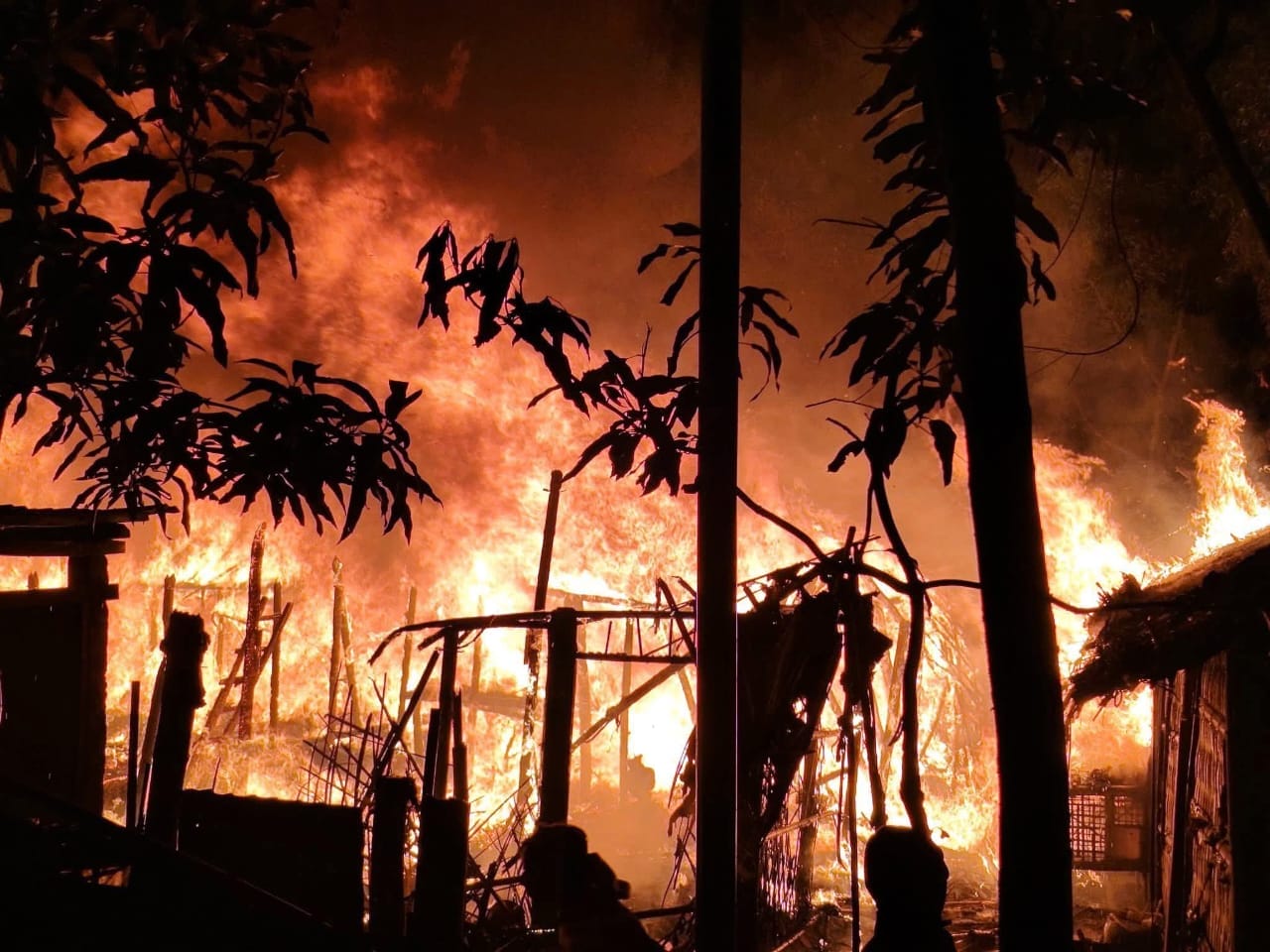
A large fire broke out on Sunday, 28 December 2025, in the Rohingya refugee camps in Cox’s Bazar, southeastern Bangladesh, destroying dozens of shelters and displacing several families, local sources told Arakan News Agency.
According to the sources, the blaze erupted in Camp 24, adjacent to Camp 25, in the Tula Bagan area of the refugee settlements. The fire spread rapidly due to the highly flammable materials used in the construction of shelters, which are primarily made of bamboo and tarpaulin.
Residents said the fire completely destroyed between 20 and 50 shelters, triggering panic and fear among camp inhabitants. Several families were forced to flee their homes without being able to save their belongings or basic necessities.
No confirmed reports of injuries or fatalities have been received so far, and the exact cause of the fire remains unknown. Relevant authorities and local response teams are continuing initial damage assessments and providing emergency assistance to those affected.
Rohingya camps in Cox’s Bazar have witnessed a series of recurring fires in recent days, resulting in the destruction of hundreds of shelters and the displacement of large numbers of refugees. These fires are often attributed to the use of open flames for cooking and lighting, combined with the absence of adequate fire safety measures and fire-resistant building materials.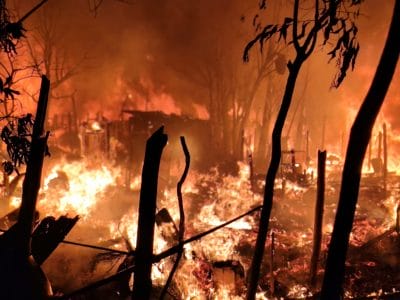
The latest incident comes amid dire humanitarian conditions in the Cox’s Bazar camps, which suffer from severe overcrowding, weak infrastructure, and heightened fire risks, particularly during dry and windy periods.
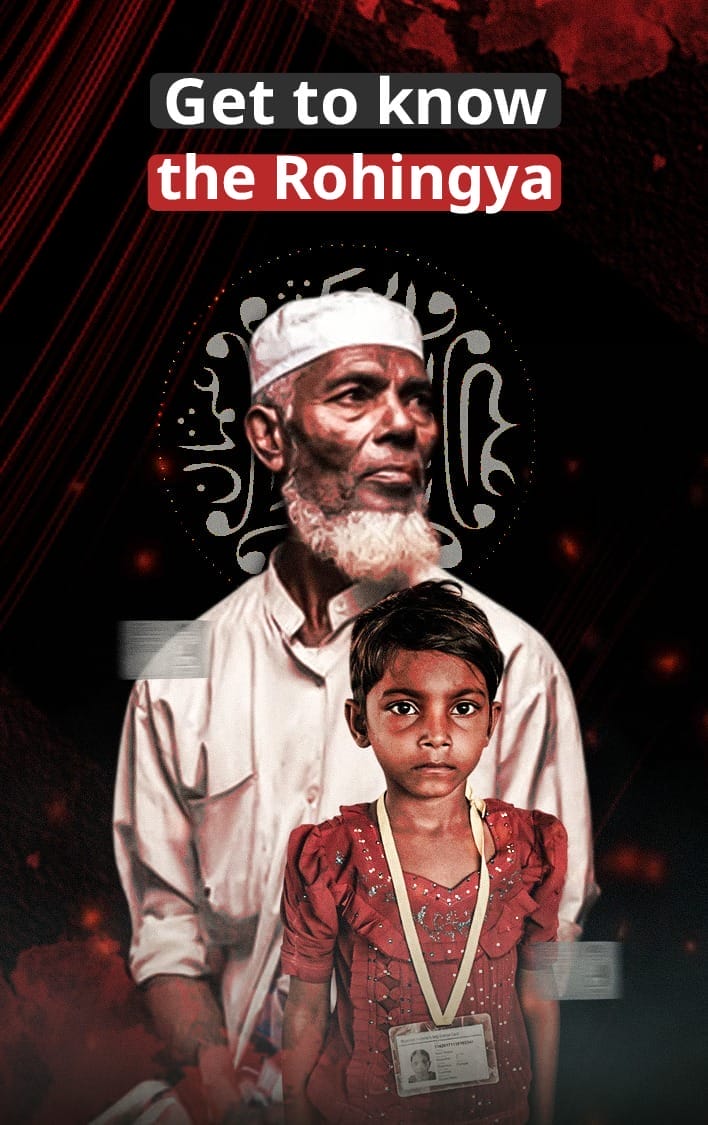
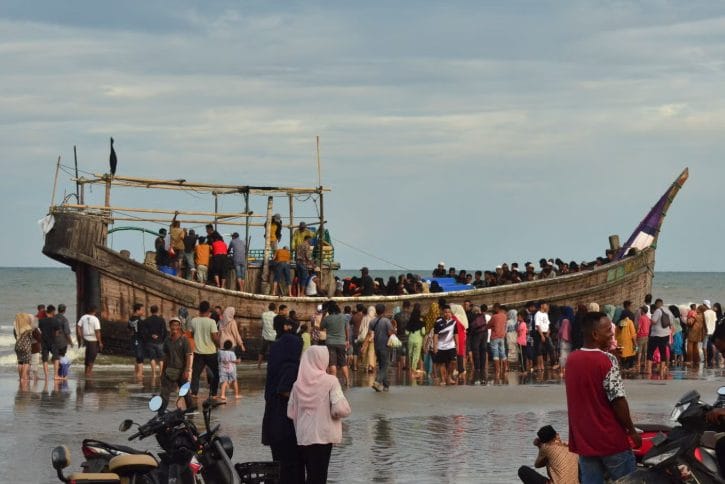
More than one million Rohingya refugees currently live in the camps, making them the largest refugee settlement in the world. The largest wave of displacement dates back to August 2017, when hundreds of thousands fled Arakan State in western Myanmar following a military campaign by the Myanmar army, which the United Nations and international rights groups have described as ethnic cleansing and genocide.
Since then, Rohingya refugees have been living in overcrowded camps under extremely fragile humanitarian conditions, relying almost entirely on international aid, amid the absence of any political solution that would guarantee their safe, voluntary, and dignified return to their homeland.