
Arakan News Agency
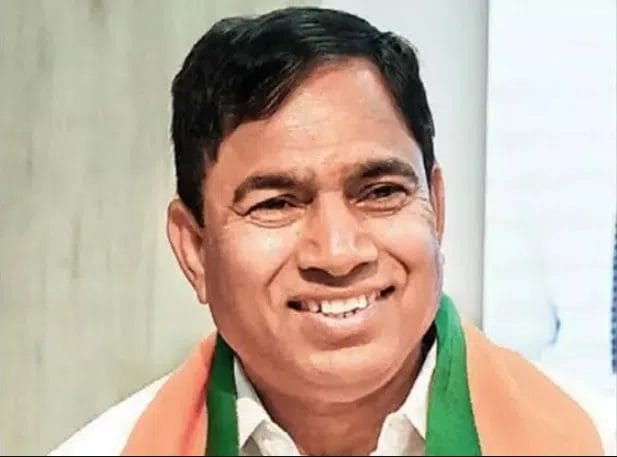
Several former judges, senior lawyers and officials from the Campaign for Judicial Accountability and Reforms have expressed strong criticism of remarks made by a bench of India’s Supreme Court headed by Chief Justice Surya Kant, describing the comments as “dehumanising” after the bench referred to Rohingya refugees in India as “intruders” who cannot be given a “red-carpet welcome.”
The criticism came in an open letter addressed to the Chief Justice of India, responding to remarks made by the bench, which also included Justice Joymalya Bagchi.
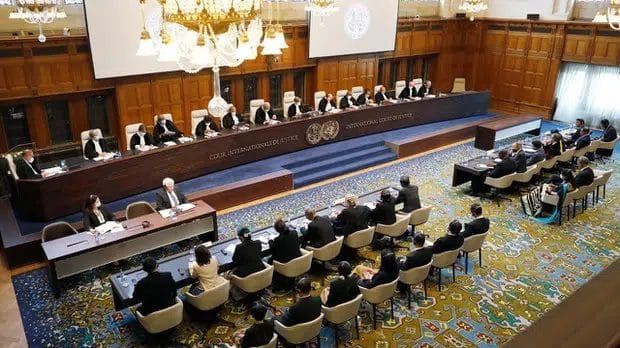
The objections were raised during a hearing of a habeas corpus petition filed by writer Rita Manchanda regarding the alleged enforced disappearance of five Rohingya refugees.
The letter stated that the comments had “stripped Rohingya refugees of their humanity,” despite their equal human rights protected under the Constitution, national laws and international law.
It added that the court’s remarks, which questioned the legal status of the refugees, linked them with “intruders” entering the country unlawfully and invoked domestic poverty as a justification for denying them food, shelter and education, constitute valid grounds for concern over judicial bias against Rohingya rights.
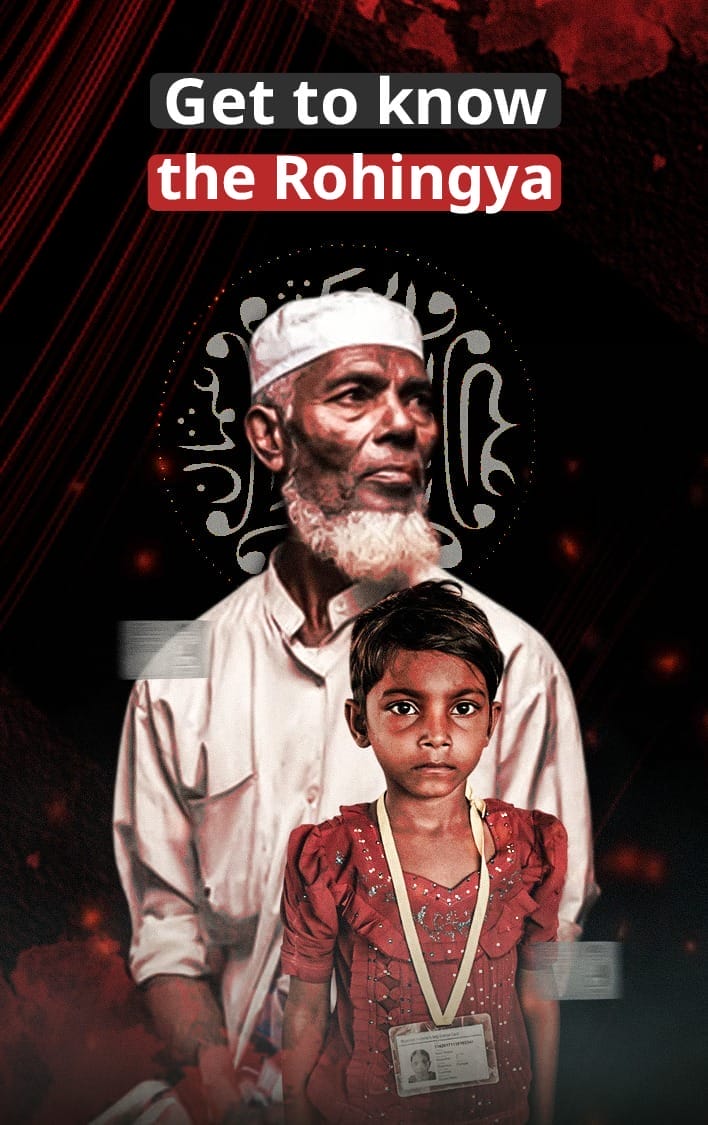
The signatories noted that the United Nations describes the Rohingya as “one of the most persecuted minorities in the world.” The community, a Muslim ethnic minority from Buddhist-majority Myanmar, has endured decades of violence and systematic discrimination.
They warned that such judicial comments could undermine public trust in the justice system, especially regarding the protection of the most vulnerable groups, including Rohingya refugees.
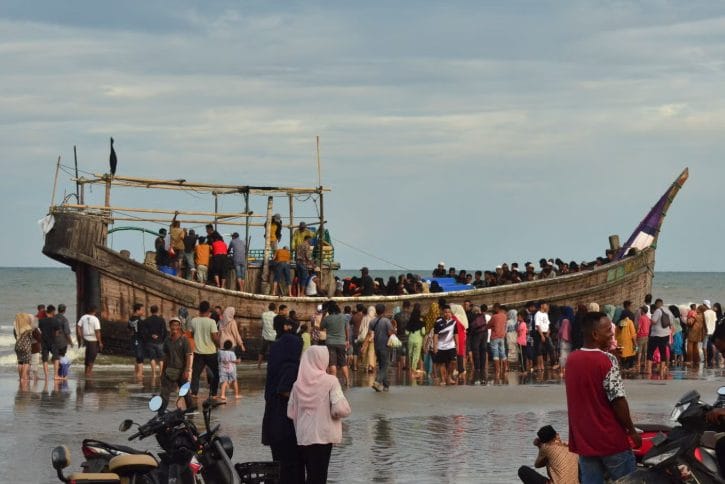
For years, large numbers of Rohingya have lived in India after fleeing persecution and violence in Myanmar’s Arakan State. Their growing presence has become a sensitive issue in India, where many officials argue that their stay raises concerns about national security and irregular migration.
Recent data indicates that the number of asylum seekers and refugees from Myanmar — including the Rohingya — in India reached around 83,737 people in 2025, representing nearly one-third of all registered asylum seekers in the country.
Although the figures fluctuate due to irregular entry, arrests or loss of refugee status, the numbers reflect a notable Rohingya community living under precarious legal conditions in India.
This week, the issue of Rohingya refugees returned to public attention following a legal petition filed in the Supreme Court concerning five of them, sparking renewed debate about their legal status and basic rights.
This reality underscores the judiciary’s crucial role in protecting Rohingya rights. Remarks made by the Supreme Court bench — including the chief justice’s reference to them as “intruders” — carry serious implications for the future of this persecuted community and for the fundamental principles of human justice.