Arakan News Agency
Sanjida Begum looked nervous as she waited in line at a refugee camp in Bangladesh for her biometric registration – a fingerprinting procedure meant to ease the counting of Rohingya who have arrived from neighboring Myanmar since August.
She and her husband have lived for eight years in a hut at the Kutupalong refugee camp in southeastern Cox’s Bazar district, where three of their children were born. But Sanjida, 29, was trying to obtain a biometric registration card by passing herself off as one of the nearly 610,000 new refugees who had crossed the border since Aug. 25, according to the latest estimates from the U.N.’s International Organization for Migration (IOM).
“I lied to them. I told them that I entered Bangladesh recently,” she told BenarNews with a straight face after emerging from the registration center with her new card that identified her as a Myanmar national.
Such manipulation of actual dates of entry into Bangladesh is common at the seven biometric registration centers in Ukhia and Teknaf, which are sub-districts of Cox’s Bazar, but it complicates efforts by the authorities to count exactly how many Rohingya have entered southeastern Bangladesh since Aug. 25, officials conceded.
The aim of the program to register all Rohingya – both newcomers and those who had fled previous cycles of violence in Myanmar – is to maintain a valid and accurate count of the refugee population, according to Joseph Tripura, an official with the United Nations High Commissioner for Refugees (UNHCR) in Bangladesh.
As of now, “the number of the new influx is based on rough estimates conducted by different agencies on the ground and sources, including local officials as well as local and refugee leaders,” he told BenarNews, an RFA-affiliated online news service.
“Systematic headcounts of the population to avoid double-counting have not yet been possible due to the fluid nature of [refugee] movements and focus on life-saving measures,” he said, adding that the number of new arrivals could, in fact, be higher than the official estimates.
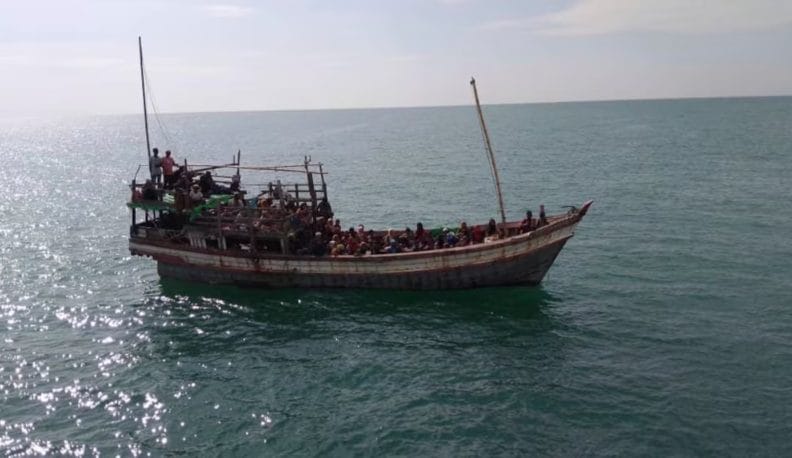
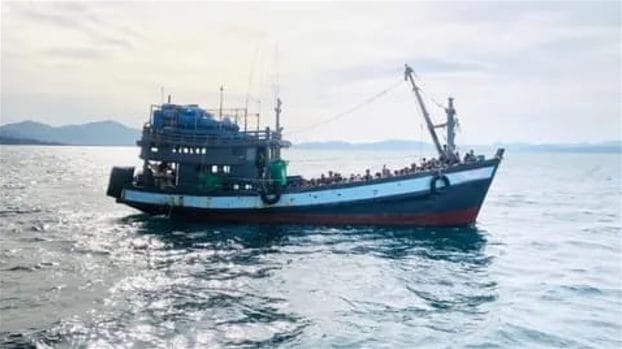
“Many of them enter the country at night at unofficial crossing points on land or by boat,” Tripura said.
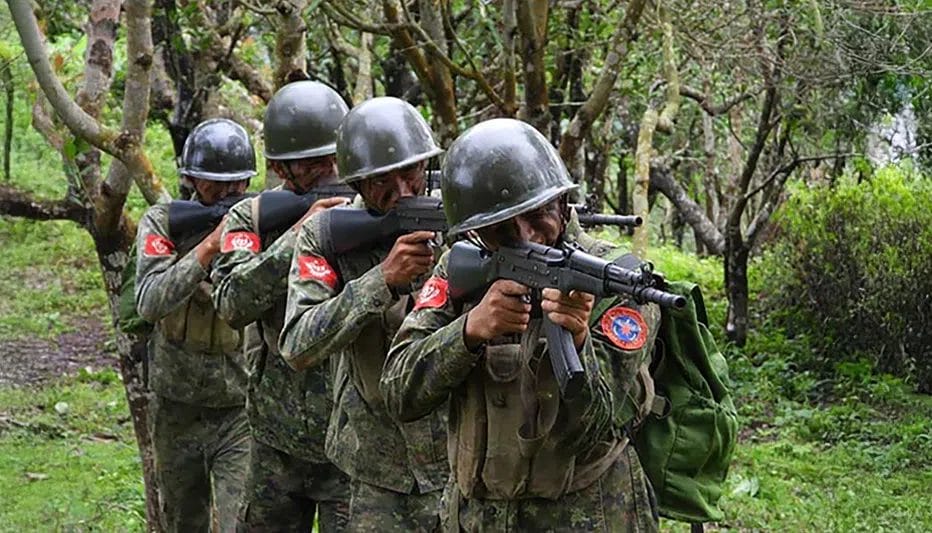
The new arrivals came as part of a massive and unprecedented exodus from Myanmar’s Arakan state that was driven by a military crackdown, which followed attacks on police outposts in the state by a Rohingya insurgent group in late August.
Rohingya are a stateless people. They are not recognized as citizens by Myanmar’s government, nor are they recognized as refugees by authorities in Bangladesh, who classify them instead as “displaced Myanmar nationals.”
Cards bring certain benefits
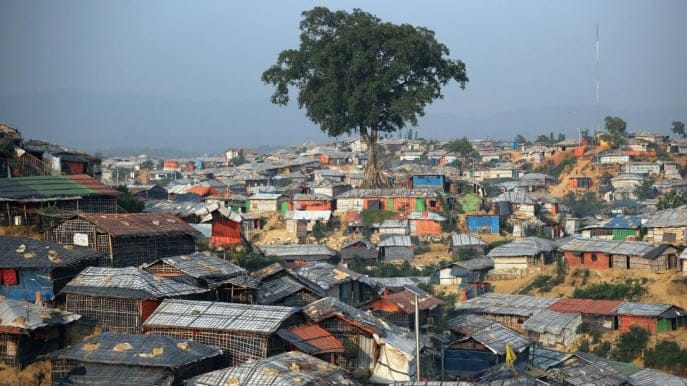
More than 1 million Rohingya overall are living in some 15 refugee camps situated along the southeastern border with Myanmar, according to the IOM’s estimates.
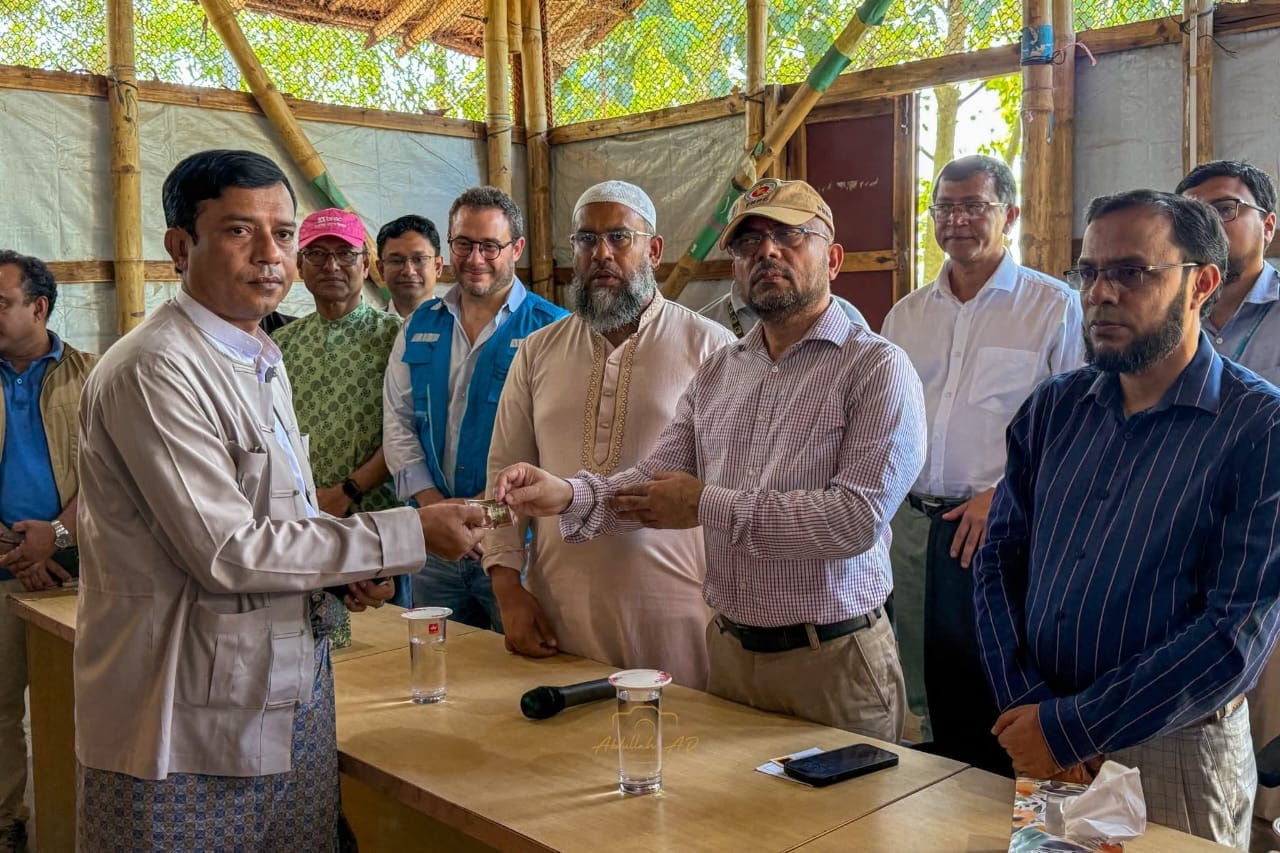
Since authorities started the biometric registration program in mid-September, nearly 450,000 refugees have been registered as of Nov. 7, according to the Refugee Relief and Repatriation Commission (RRRC) of Cox’s Bazar.
But there is no way to determine how many among biometrically registered ones are part of the latest influx of Rohingya Muslim refugees from Buddhist-majority Myanmar, Bangladeshi soldier Mohammad Taufiquddin, who was manning one of the about 30 registration booths at the colossal Kutupalong camp, told BenarNews.
“We are aiming to complete the biometric registration process by early December,” Taufiquddin said, adding that once the registrations were complete, “only those with registration cards will be eligible for relief supplies.”
He said that although the registration was being done to maintain a count of Rohingya who had taken shelter in Bangladesh, it would also prevent refugees from obtaining Bangladeshi passports and IDs.
“We didn’t get our fingerprinting done before because my husband worked as a daily-wage laborer, and made enough for our family to just about scrape through. But with the recent influx of Rohingya, security at the camp has been heightened and it is difficult for him to go out to find work,” said Sanjida, the Rohingya refugee.
“With the card, at least we will be eligible to get relief supplies,” she added.
Source : Rfa