
Arakan News Agency
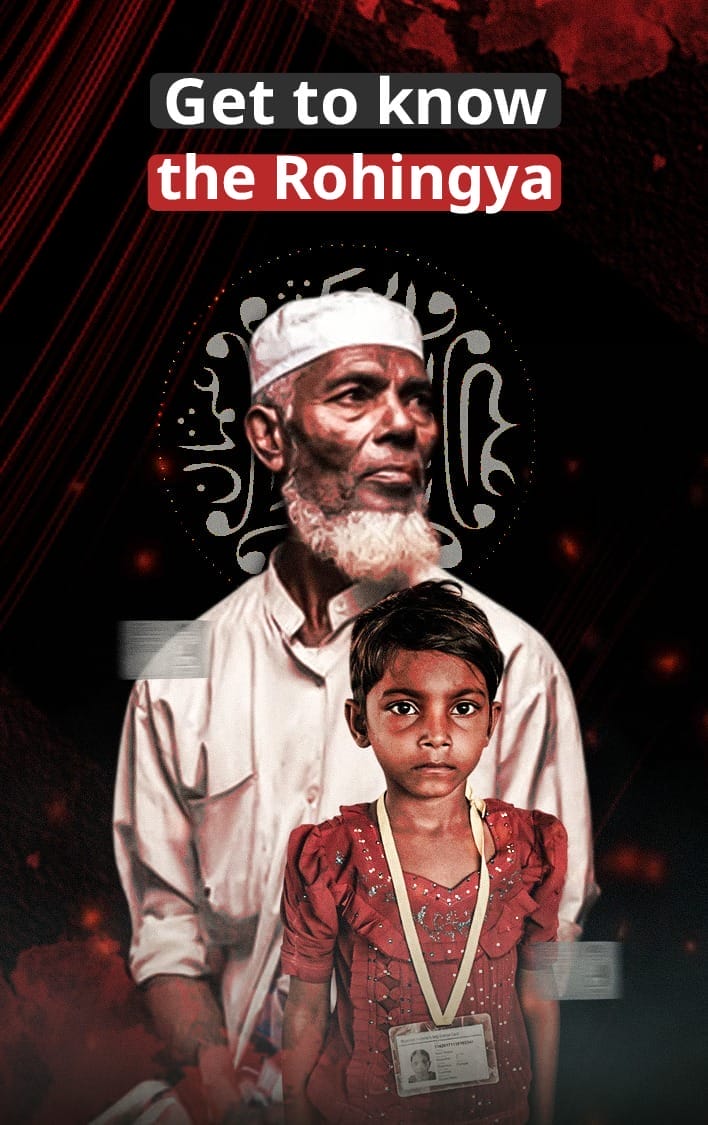
The Rohingya community is marking Rohingya National Day on January 3, 2026, a date that carries deep historical significance linked to their long-standing struggle for recognition, rights, and justice, amid continued attempts to deny their existence and identity in Myanmar.
The date traces back to January 3, 1948, when Sao Shwe Thaik, Myanmar’s first president following independence, delivered an official speech recognizing the Rohingya as one of the country’s indigenous ethnic groups, according to the Maungdaw Daily News website.
Rohingya activists regard this speech as a key historical document affirming their political and civil rights, which were later systematically restricted and stripped away over subsequent decades, particularly in Arakan State.
The designation of January 3 as Rohingya National Day was not coincidental but emerged from political activism in the late 1980s, following the nationwide protests of 1988 and Myanmar’s shift toward a multiparty system.
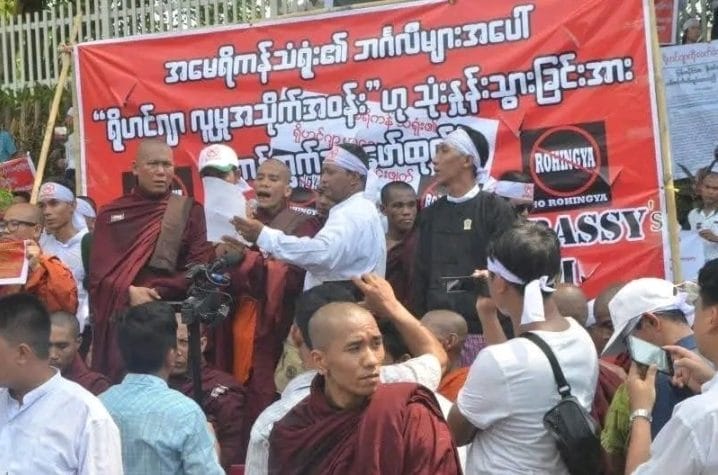
During that period, Rohingya leaders sought to register a political organization under the name “Rohingya National Party,” but authorities rejected the use of the term “Rohingya.” As a result, the party was officially registered as the National Party on January 3, 1989.
Since then, the date has been observed as a national day symbolizing Rohingya unity, despite subsequent years marked by political repression, party bans, and systematic marginalization of Rohingya identity.
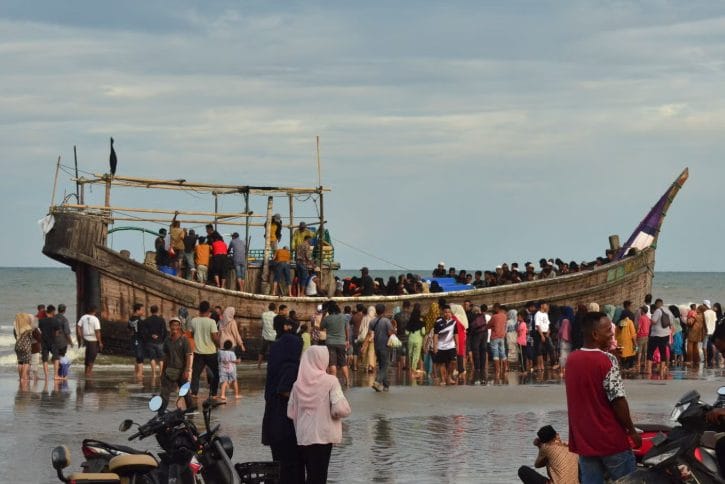
This year’s commemoration comes amid severe humanitarian and political challenges, as hundreds of thousands of Rohingya continue to live as internally displaced persons and refugees inside Myanmar and abroad.
The observance aims to strengthen solidarity within the Rohingya community, preserve Rohingya culture, language, and traditions in the face of erasure, and remind the international community of Rohingya’s legitimate rights to full citizenship and human dignity.
Despite years of displacement and exile, Rohingya activists say January 3 remains a day to reaffirm commitment to identity and homeland, stressing that ongoing suffering has not extinguished aspirations for justice, peace, and equality.
They emphasize that preserving historical memory and passing it on to future generations is essential to safeguarding Rohingya identity and ensuring its survival, regardless of the challenges ahead.