Arakan News Agency
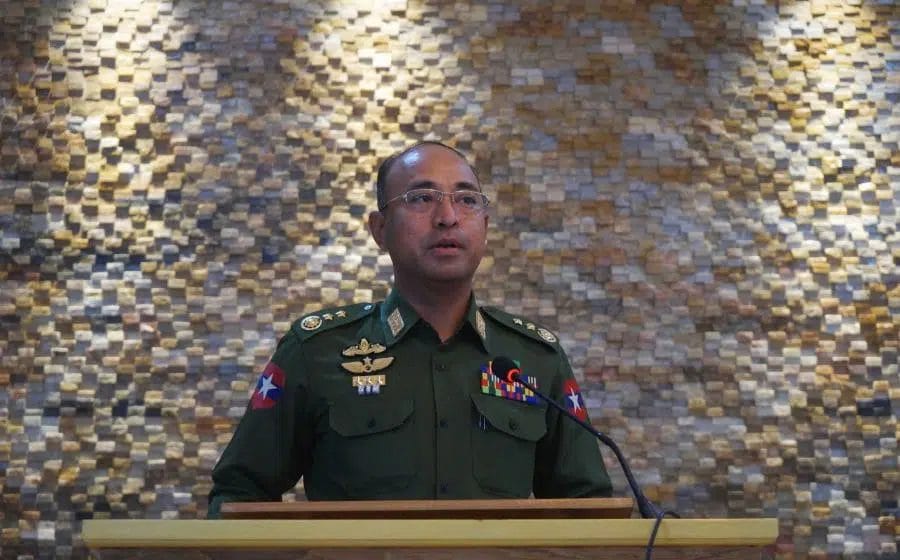
A prominent Myanmar general linked to atrocities against the Rohingya lost his bid for a parliamentary seat in the recent elections conducted by the ruling military council, in a defeat that some local observers considered a message of rejection toward the regime.
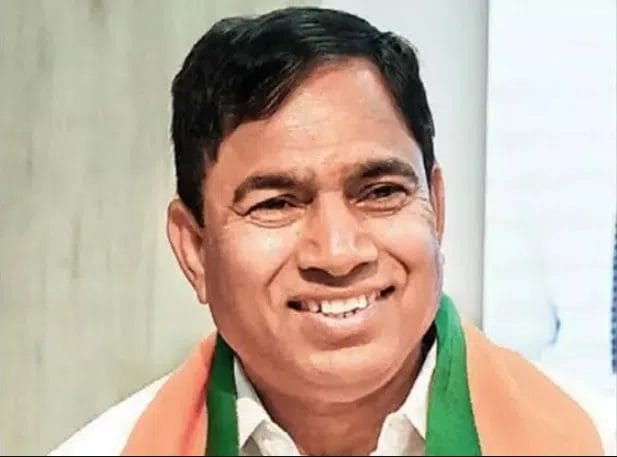
Former Lieutenant General Aung Aung, the candidate of the military-backed Union Solidarity and Development Party (USDP), suffered a decisive loss to Nan Kyin, the candidate of the Pa-O National Organisation (PNO), in the race for the seat representing Taunggyi, the capital of Shan State, in the Pyithu Hluttaw (Lower House of the Union Parliament). Nan Kyin won by a margin of over 10,000 votes.
Ahead of the elections, held last Sunday under the control of the Myanmar military council, images of Aung Aung dressed in traditional attire appeared throughout Taunggyi streets in campaign materials highlighting his high military titles, alongside the party slogan: “Rule of law must be ensured.”
Locally, Aung Aung is known as the regime-appointed Chief Minister of Shan State, but internationally he is better known for his previous role as commander of Light Infantry Division 33, which led a deadly military campaign against the Rohingya in 2017. He faces accusations of responsibility for serious war crimes, including extrajudicial killings, rape, and the systematic destruction of Rohingya homes.
Due to these violations, Aung Aung has been sanctioned by multiple Western countries, including the United States, European Union, United Kingdom, Canada, Australia, Switzerland, Belgium, France, and Monaco. Despite this, he continued to advance within the military hierarchy, achieving the rank of lieutenant general and holding key leadership positions, including command of the Southwestern Regional Military Command and the Special Operations Force 2.
On January 31, 2024, Aung Aung was appointed Chief Minister of Shan State, a move seen as preparation for his political role as the regime sought a transition to quasi-civilian rule. However, this military and political background did not secure him victory in the recent election.
The first phase of Myanmar’s elections, launched last Sunday and organized by the ruling military council, took place amid widespread rejection from political parties, civil society, and opposition groups, who consider the electoral process illegitimate and enforced under political coercion.
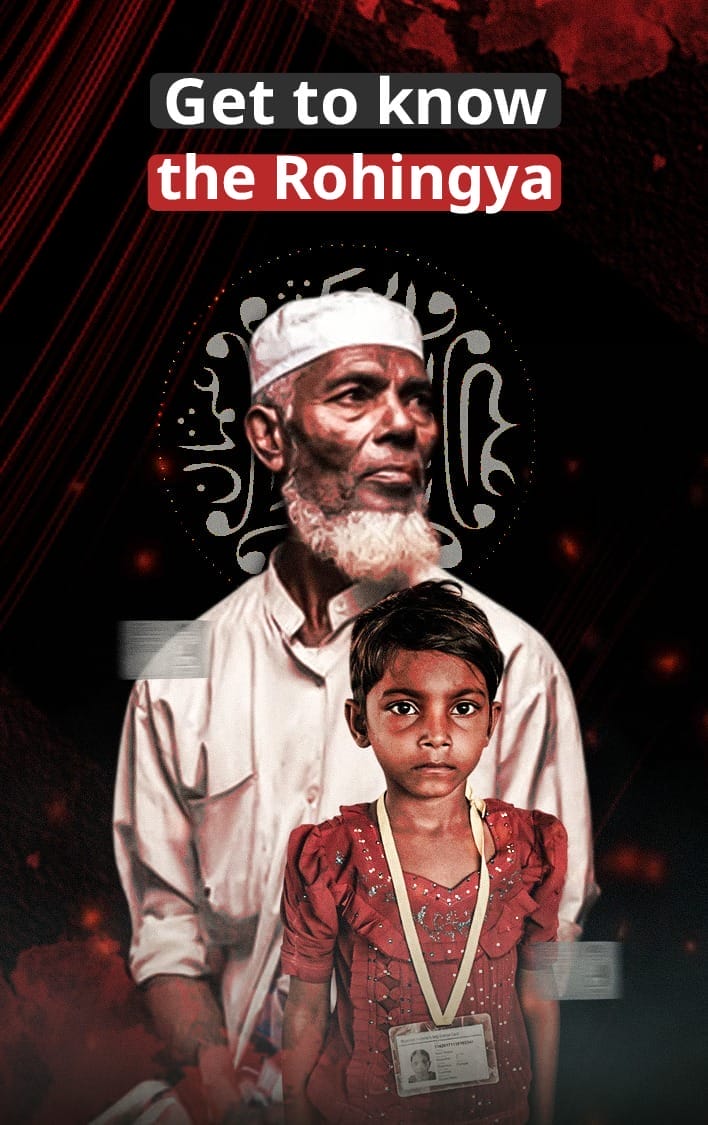
The elections occurred in a context of systematic marginalization of large segments of society, particularly the Rohingya minority, who continue to be deprived of basic rights, including citizenship and political participation.
Several foreign election observers arrived from multiple countries to monitor the phased general elections conducted by Myanmar’s military council, while local and international actors viewed the planned voting as fraudulent and designed to consolidate military rule.
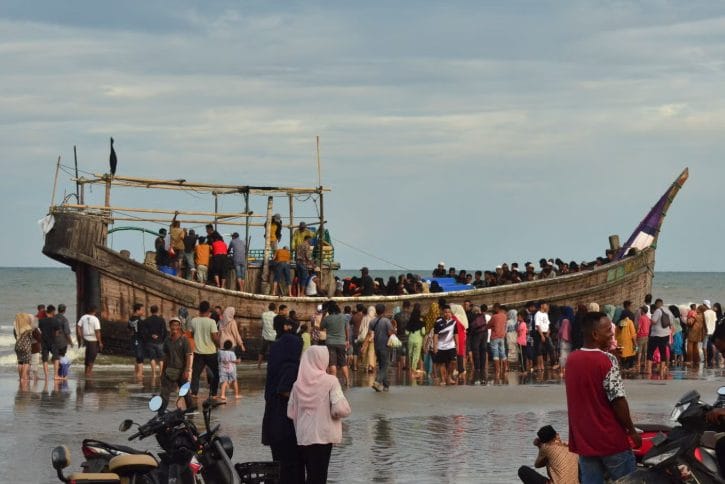
The Rohingya have previously expressed deep regret over the elections, stating that they offer no hope of returning to their homeland or regaining their stolen rights, while their suffering continues in refugee camps in Bangladesh and neighboring countries.