Arakan News Agency
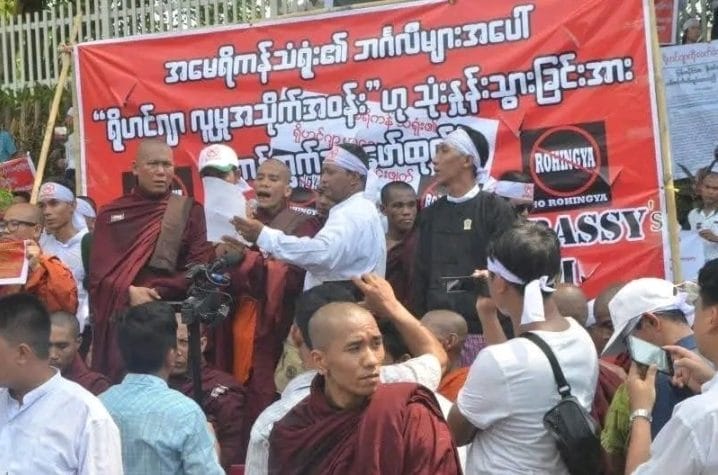
The European Union announced the allocation of €63 million in urgent humanitarian aid to support those affected by the ongoing armed conflict in Myanmar and to provide assistance to Rohingya refugees in neighboring countries, particularly in Bangladesh, as the crisis resulting from the military coup enters its fifth year.
The European Commission stated that this funding is part of the EU’s initial 2026 allocations for the Southeast Asia region and aims to meet the increasing humanitarian needs arising from the conflict and its regional repercussions.
In Myanmar, more than €38.6 million will be directed toward providing emergency food and nutrition assistance, shelter for forcibly displaced persons, ensuring access to clean water and sanitation services, as well as healthcare in affected and hard-to-reach areas, mine-risk awareness, support for mine victims, and emergency education.
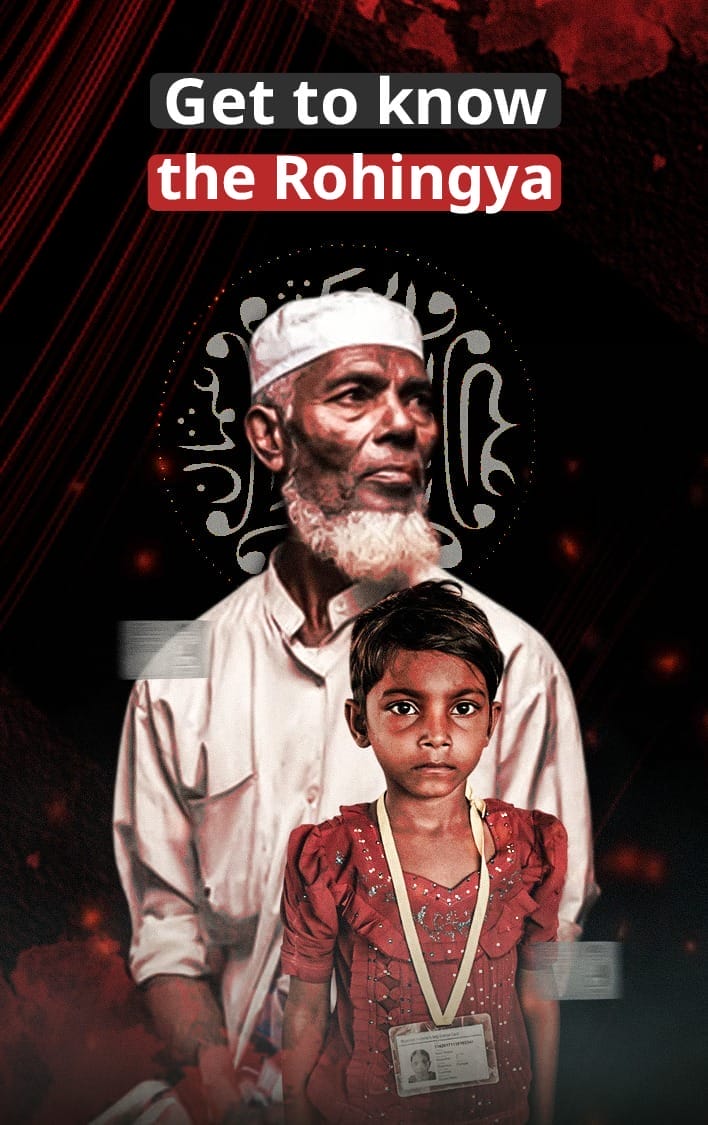
In Bangladesh, €23.4 million will be allocated to support around 1.2 million Rohingya refugees, most of whom reside in the Cox’s Bazar area, alongside host communities.
These funds will be used to deliver life-saving assistance, including food and nutrition, maintenance of camp shelters and facilities, and provision of essential services such as healthcare, emergency education, and water and sanitation.
Due to the regional nature of the crisis, the EU has also allocated an additional €1 million to provide humanitarian aid to refugees and host communities in India, Indonesia, Malaysia, and Thailand.
The Commission clarified that all humanitarian aid is delivered through partner organizations, including UN agencies and international non-governmental organizations.
This step comes at a time when Myanmar is witnessing a severe deterioration in humanitarian conditions since the military coup five years ago, which was further exacerbated by the powerful earthquake that struck the country in 2025.
According to UN estimates, over 16 million people have been identified as priority recipients for assistance, including more than 3.6 million forcibly displaced persons, amid a conflict considered one of the deadliest in the world.
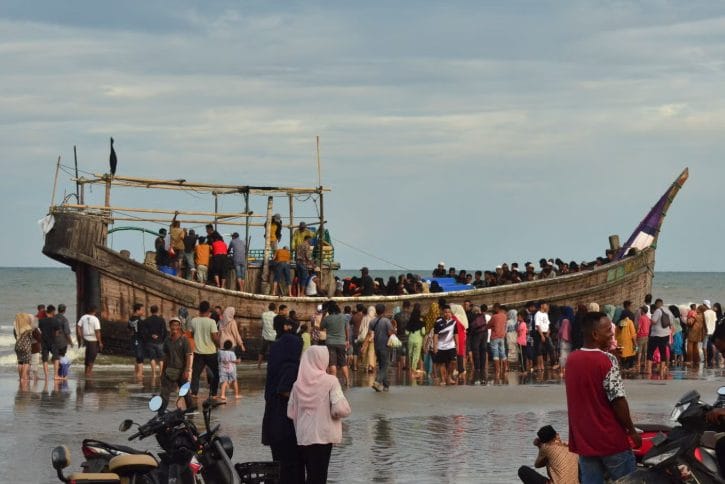
With fighting ongoing, safe return remains impossible for nearly 1.2 million Rohingya refugees in Bangladesh, most of whom live in difficult humanitarian conditions in camps, driving increasing numbers to risk dangerous journeys to other countries in the region in search of safety and livelihoods.