Arakan News Agency
Just four months after crackdowns on human smuggling routes precipitated a regional crisis, the United Nations is urging countries to prepare for another wave of boats when monsoon storms lull.
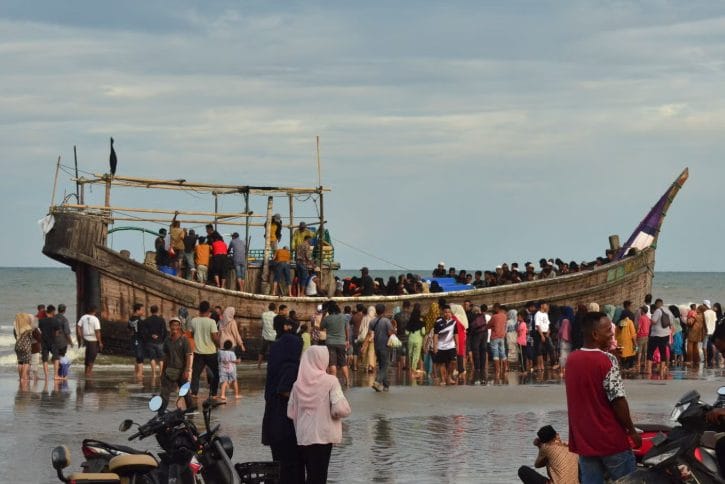
Each year Rohingya Muslims from Rakhine State and impoverished Bangladeshis pack onto smuggling vessels and undertake arduous, often deadly journeys to Malaysia, seeking better life, as for Rohingya Muslims they are fleeing state sponsored persecutions by Burmese authorities.
Many do not arrive and are instead ransomed or sold into slavery in Thai jungle camps. Others are buried in shallow, mass graves.
The next “sailing season” is expected in just a few weeks, the UN refugee agency (UNHCR) says.
“The boat movements have temporarily stopped due to the monsoon rains, which have caused severe flooding in many areas across Myanmar. However, the maritime departures are expected to resume once the weather improves in the coming weeks,” said UNHCR spokesperson Melissa Flemming.
An unprecedented surge in departures in 2014 was surpassed in the first six months of this year, according to a new UNHCR report.
Some 31,000 Rohingya and Bangladeshis departed from the Bay of Bengal on smugglers’ boats between January and June, a 34 percent increase, according to the irregular maritime movement report.
After Thailand began cracking down on the jungle death camps, the traffickers abandoned their human cargo on overfilled, rickety boats. At least 5000 were estimated to be stranded on eight vessels in May.
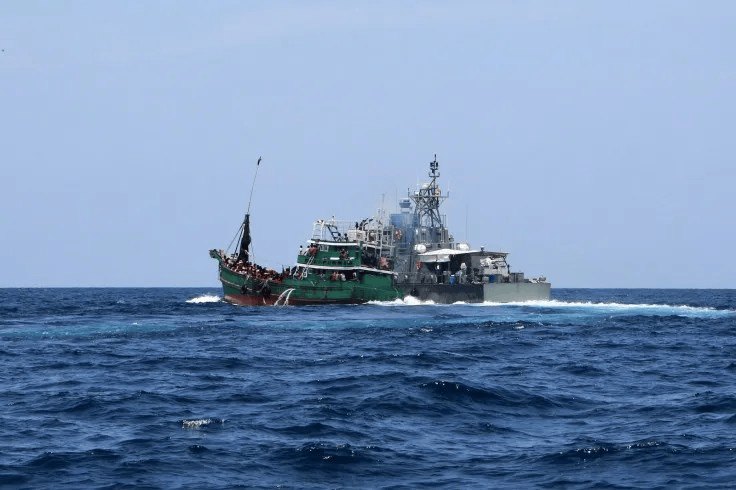
Indonesia, Thailand and Malaysia initially pushed the boats back to sea, increasing the desperation of those onboard, who faced dwindling food and water resources and severe malnutrition. At least 70 people died as the boats lingered not far from the coast, and another 1000 remain unaccounted for.
While Malaysia, Indonesia, Thailand and Myanmar are all struggling to repatriate or accommodate those rescued from the last crisis, the UN said arrangements need to begin now to avert the next one.
“Neither existing regional mechanisms … nor proposed mechanisms, such as a joint task force, are currently in a position to adequately respond to such crises,” the UNHCR report said.
During an emergency meeting in Bangkok in late May, the UN urged regional governments to adopt a 10-point plan including search and rescue teams, safe disembarkation sites, investigative task forces and safe migration channels. The plan was inked by representatives but no further steps have been taken.
“The increased scrutiny on boats in the Bay of Bengal and the Andaman Sea in May led smugglers to change their tactics, including abandoning their passengers at sea. We would not be surprised if other routes are attempted when ‘sailing season’ resumes, and will continue to monitor such movements as best as we can through sources and survivor accounts,” said Vivian Tan of UNHCR.
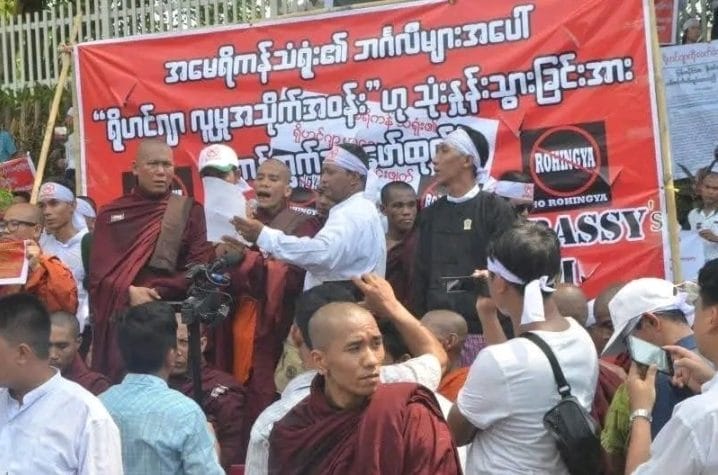
The route isn’t likely to trail off anytime soon, however, given the immense profitability of the boat smuggling scheme – survivors reported paying an average of US$1400 a head – and the increasing political instability of Rakhine, where Muslim residents, particularly Rohingya, have been culled from voter lists.
The UN and rights groups have made it clear that stemming the flow will require addressing the factors propelling people onto the boats.
“The situation in Rakhine State is worsening and local tensions are rising in advance of the elections. Regional governments and UN agencies need to pressure Myanmar to end the root causes of the Rohingya exodus, otherwise we’ll see more people risk their lives at sea,” said Matthew Smith, director of Fortify Rights.
“People in Rakhine State tell us they don’t want to flee their homes but they feel they have no choice.”
The Ministry of Foreign Affairs and the President’s Office could not be reached for comment yesterday. However, the government denies that the Rohingyas are persecuted or are even fueling the smuggling route.