Arakan News Agency
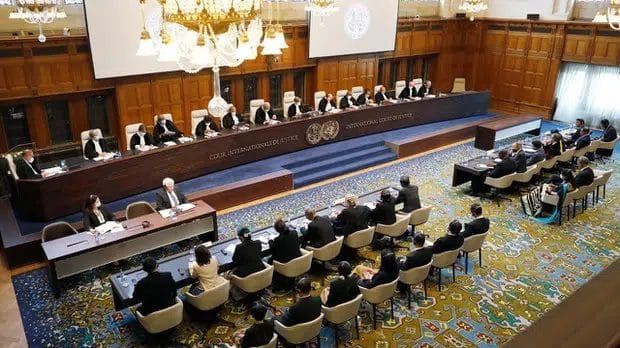
The international community must take “swift and serious action” in response to the “ethnic cleansing” of Myanmar’s Rohingya Muslims, the U.N. envoy on sexual violence in conflict told Security Council members Tuesday.
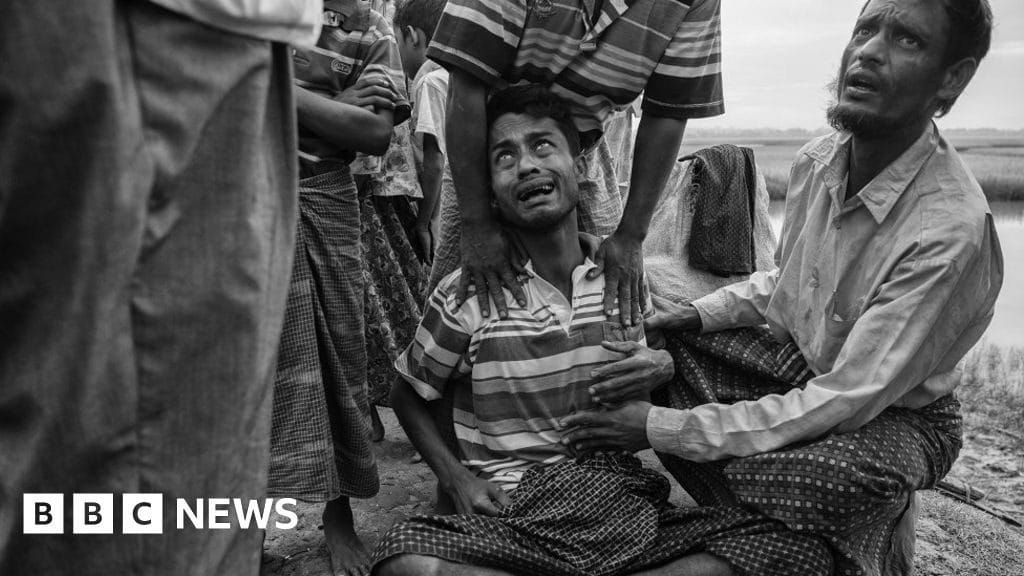
“Over the course of three days, I heard the most heartbreaking and horrific accounts of sexual atrocities reportedly committed in cold blood out of a lethal hatred for the Rohingya community based on their ethnicity and religion,” Pramila Patten said of her recent trip to Cox’s Bazar in Bangladesh, where she met with Rohingya refugees.
Patten cited rape and gang rape, torture and infanticide amongst the atrocities against Rohingya women. “Every woman or girl I spoke with reported having either endured or witnessed sexual violence,” she said.
“History will judge our action — or inaction,” said Patten, who urged the Security Council to adopt a resolution “demanding an immediate end to violations against the civilian population in Arakan state,” including “measures to hold the perpetrators accountable.”
The Security Council met Tuesday to take stock of the situation in Myanmar, following up on a presidential statement issued by the council last month. The Nov. 6 statement called on the Southeast Asian country to end military operations and requested a briefing on developments there 30 days after its adoption.
Briefing the council, U.N. political affairs chief Jeffrey Feltman welcomed an agreement between Myanmar and Bangladesh on the return of refugees and noted that violence has subsided. But satellite imagery shows that fires and the destruction of villages continue, as does the flow of Rohingya into Bangladesh, Feltman said.
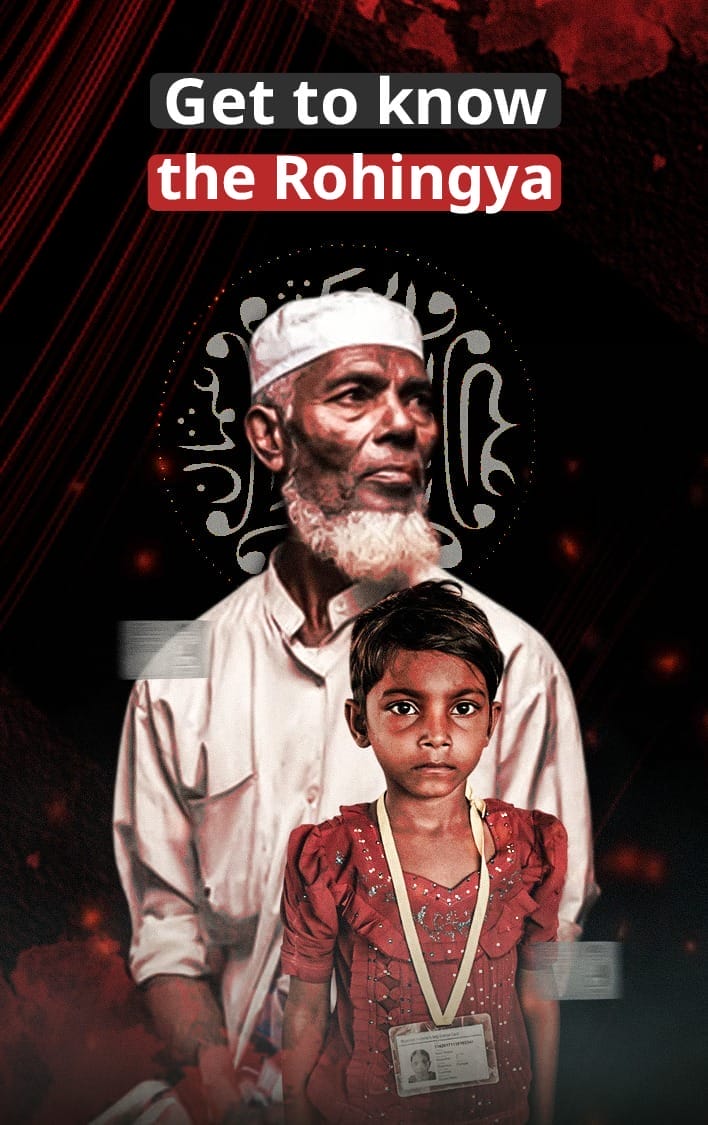
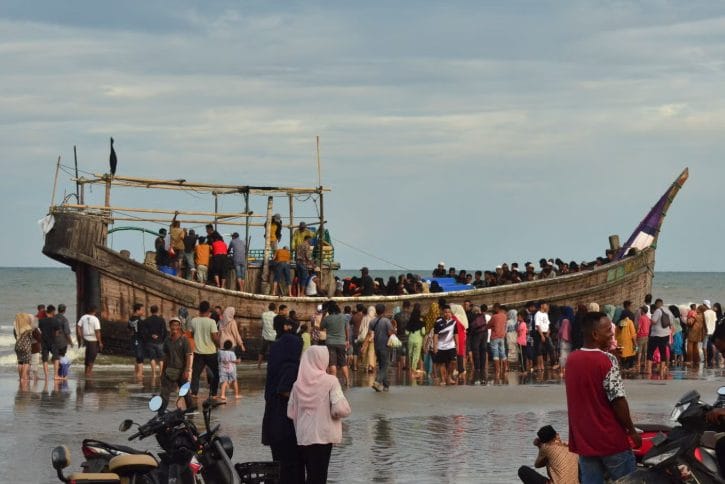
More than 626,000 Rohingya refugees have fled to Bangladesh since the outbreak of violence on Aug. 25, Since the military operations have been characterized as disproportionate and a case of “ethnic cleansing” by U.N. officials.
Speaking to reporters before the meeting, Jonathan Allen, an ambassador from the U.K., noted progress since the joint council statement in November, particularly in the agreement between Myanmar and Bangladesh. But “there remains an awful lot more to do,” he said.
Allen called for an independent monitoring process, ideally through the U.N.’s Office of the High Commissioner for Refugees, as well as for accountability for human rights abuses. “It’s very important that the council remains fully engaged on this matter and that we continue to keep our focus on the issue,” he said. The U.K. holds the pen on Myanmar issues within the council.
The U.N. is expected to approve a resolution calling for the appointment of a U.N. special envoy to Myanmar later this month. In remarks to the council, Feltman expressed hope that such an appointment would strengthen the U.N.’s partnership with the country. “We believe we have much to offer in working with Myanmar on a number of challenges the country faces,” he said.
Myanmar, which has vehemently opposed the characterization of its military operations as ethnic cleansing, has been reluctant to allow too much U.N. involvement in its resolution of the refugee crisis. The country’s U.N. ambassador, Hau Do Suan, called the proposed appointment of a special envoy a “waste of the U.N.’s already stringent budget” in remarks following the preliminary agreement on that resolution last month.