Arakan News Agency
While visiting Bangladesh last week, US Agency for International Development (USAID) Administrator Mark Green announced $44 million in additional humanitarian funding for Rohingya refugees in Bangladesh and others affected by conflict in Burma.
This additional aid — bringing total US assistance to $300 million — is welcome and desperately needed. But additional aid to Bangladesh undermines what has emerged as a key principle of Trump’s foreign policy — tying foreign aid to UN voting patterns. The Rohingya refugee crisis demonstrates why a strict adherence to favoring political support over need could end up exacerbating regional security and humanitarian crises by limiting states’ capacity to effectively respond.
Ambassador Nikki Haley has made a splash at the UN recently, repeatedly making the case for the Trump administration’s “America First” approach to foreign policy by making foreign aid conditional on UN voting patterns. While this “friends-only” policy is nothing new, its implementation is fraught with challenges. And adhering to it runs into a cold, hard reality in the case of Bangladesh.
Bangladesh’s unique situation
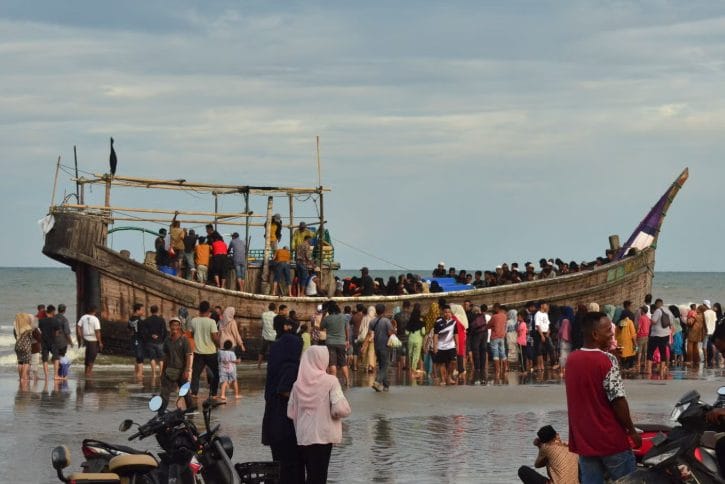
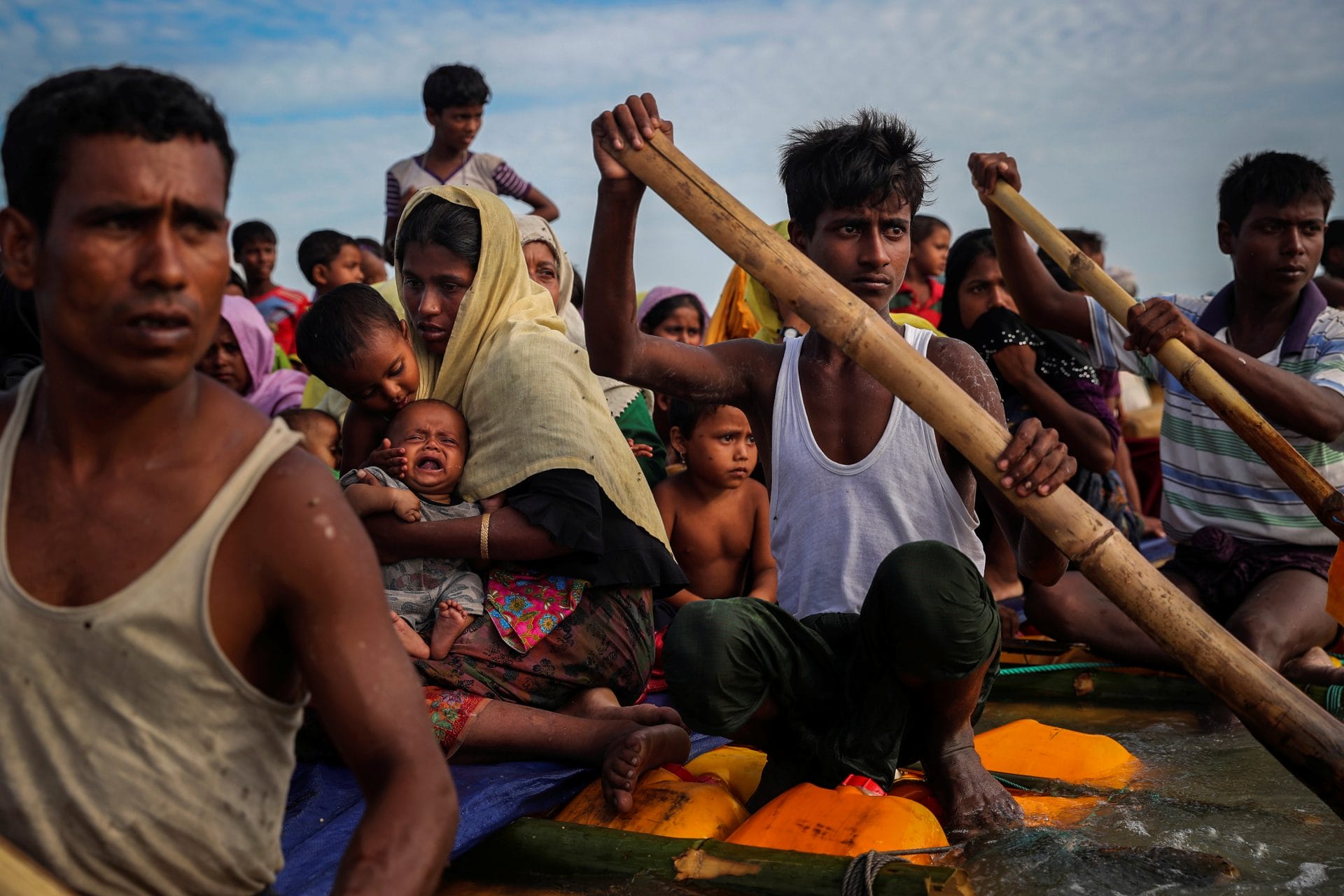
Bangladesh has half the population of the United States crammed into an area roughly the size of Iowa. It is notoriously disaster-prone and vulnerable to climate change. Facing significant refugee inflows from what the UN has dubbed a “textbook example of ethnic cleansing,” Bangladesh lacks both the capacity and the legal regime to effectively deal with the influx of 700,000 Rohingya from Burma on its own.
But Bangladesh has voted with the United States at the UN a mere 12% of the time since 2001, which should theoretically make it a target for Trump’s aid cuts. The country’s Prime Minister, Sheikh Hasina, called for Muslims worldwide to unite against the administration’s decision to move the US Embassy to Jerusalem. Indeed, the administration proposed slashing foreign assistance to Bangladesh last year, including a proposed cut of $33 million for its health sector.
Despite recent economic growth, like most refugee host countries, Bangladesh is still among the world’s 50 poorest countries. While Bangladesh’s initial relief efforts have been admirable, the situation on the ground is not sustainable. And with monsoon season at hand, flooding and disease outbreaks are imminent.
Security considerations
As if natural disasters weren’t enough, Bangladesh also struggles with Islamic extremism and international terrorism, and the Rohingya crisis may be exacerbating the situation. As Sadanand Dhume has pointed out, the Rohingya’s plight has become a rallying cry for terror groups like Al Qaeda. Just last December, a Bangladeshi national attempted to bomb the New York City subway after reportedly traveling to a Rohingya refugee camp. The Bangladeshi government has also expressed concern about Rohingyas’ vulnerability to recruitment into extremist organizations. An effective response to the Rohingya crisis isn’t just a humanitarian priority — it’s also a security one.
But focusing solely on the Rohingya may also lead to increased violence within Bangladesh if locals perceive that their needs are being ignored in favor of outsiders. This is why continued development assistance to Bangladesh, particularly for refugee host communities, is essential. The United States can play a key role in stabilizing Bangladesh and building its capacity to deal effectively with its internal threats. Ultimately, this means rethinking a “friends-only” aid policy.