Arakan News Agency
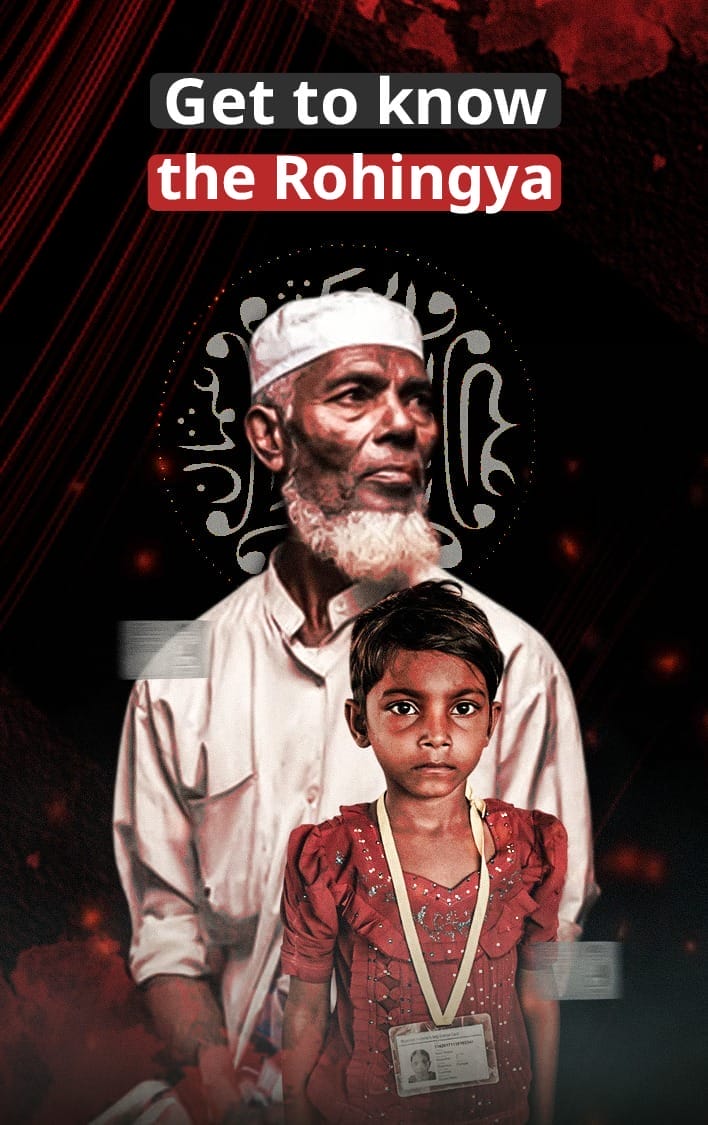
More than 200 people have died this month in clashes between Myanmar authorities and the Muslim Rohingya minority as State Counselor Aung San Suu Kyi grapples with the flaring religious tensions in the country’s western Rakhine State.
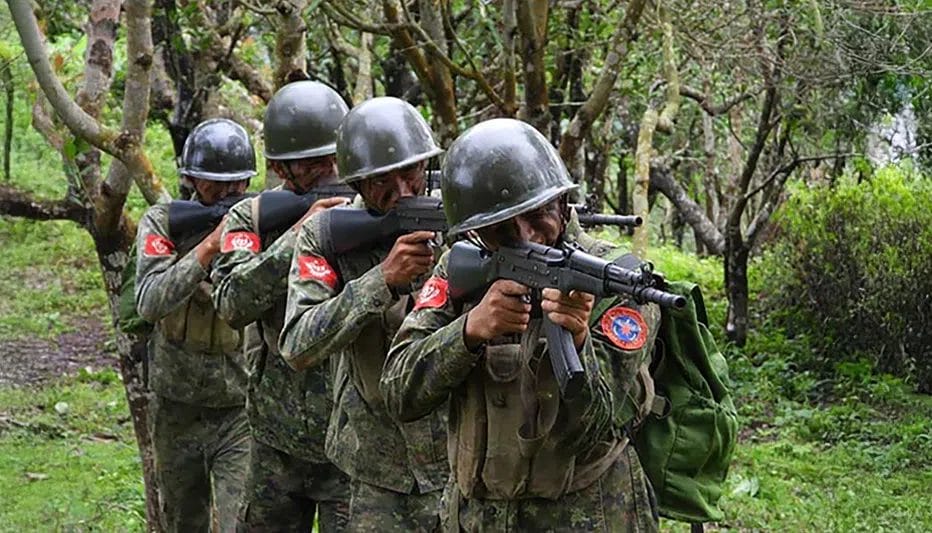
An armed group claiming to be Rohingya attacked a police office in Maungdaw township Sunday, Myanmar’s government said. A total of 17 people died by Monday in the military strike that followed. Another five were killed when a group of roughly 50 attacked a military troop Tuesday. This marks the biggest armed confrontation since the civilian government led by Suu Kyi took over at the end of March.
Suu Kyi has ordered comprehensive support for families of the fallen police officers and soldiers, and she warned of the need to stay alert for potential terrorist attacks, presidential spokesman Zaw Htay told Media . Commander-in-Chief Min Aung Hlaing has decided to increase the military presence in Maungdaw.
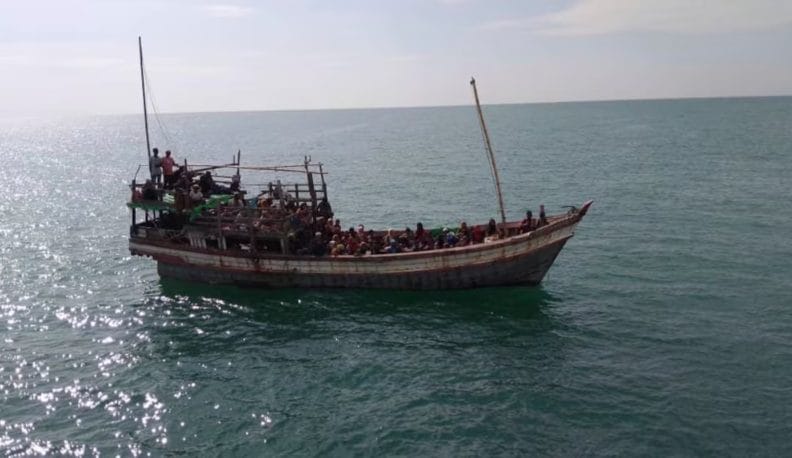
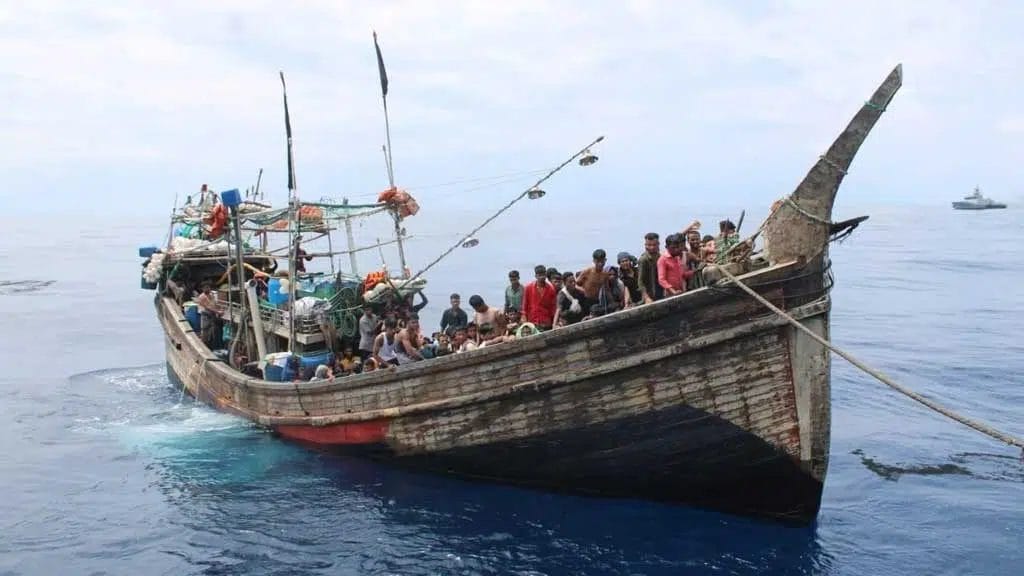
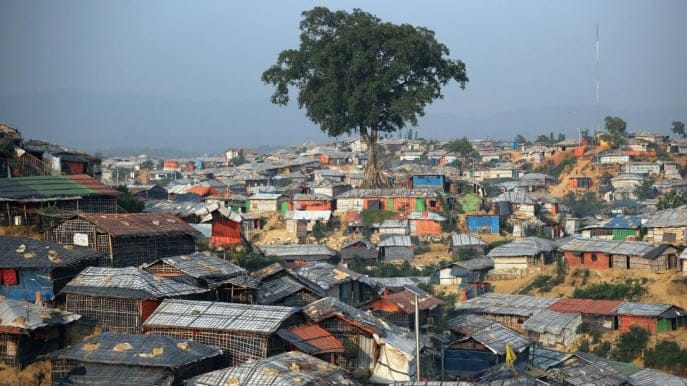
Over 200 people died in a 2012 clash in Rakhine State between the Rohingya and Myanmar’s Buddhist majority. Then-President Thein Sein responded by driving more than 100,000 Rohingya into refugee camps, citing safety concerns. Many have fled to Malaysia, Thailand and other neighboring countries by boat to escape dire conditions at the camps, causing an international uproar.
The recent incidents likely were triggered by frustration over Myanmar’s new government, which continues to deny citizenship to the Rohingya and to isolate the group from the rest of the country.
The government faces growing criticism by the international community. The United Nations published a report in June addressing the increasing violence against the Rohingya. The U.S. ranked Myanmar as one of the world’s worst human-trafficking offenders in its own report that month.
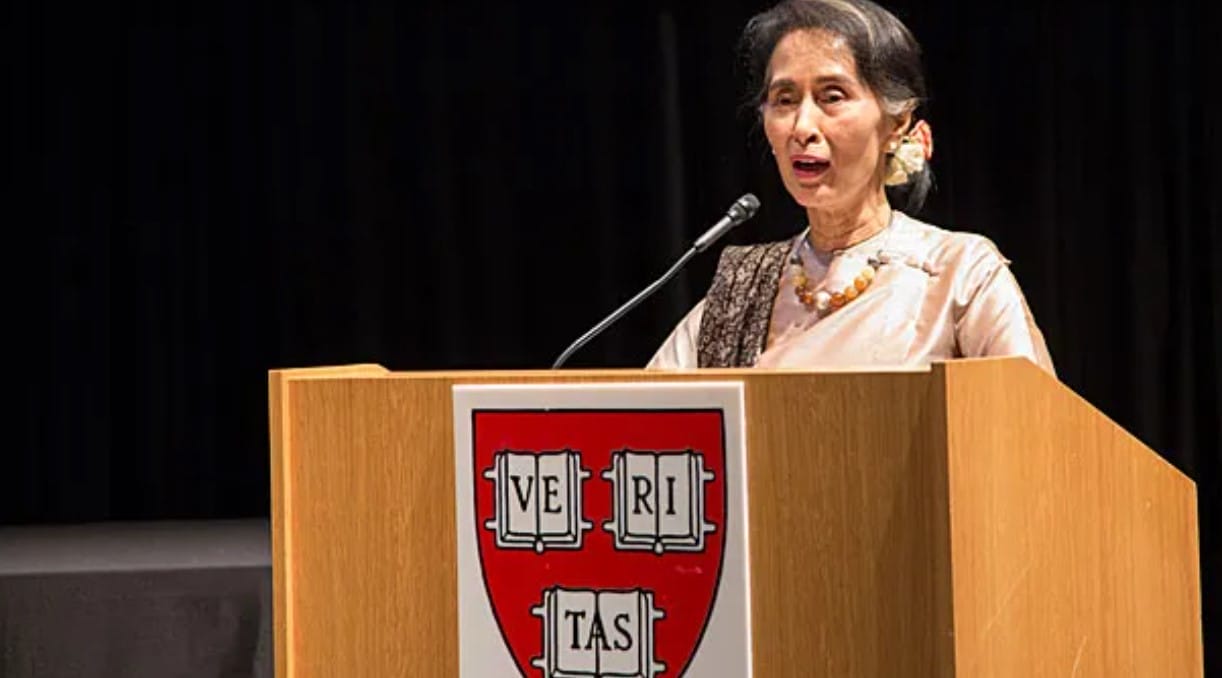
Suu Kyi set up a commission in August to address the conflict in Rakhine State, placing former U.N. Secretary-General Kofi Annan at its helm. But she remained silent on the topic of granting citizenship when she addressed the U.N. General Assembly last month, speaking only of the challenges surrounding the Rohingya issue.
Some 90% of Myanmar’s population is Buddhist. The recent influx of Muslim immigrants from Bangladesh and elsewhere has left many uneasy, even leading to the rise of a conservative anti-Islamic Buddhist group. A soft stance on the Rohingya could cost the government broader support. But suppressing the group by force inevitably will trigger an international backlash. Suu Kyi, long considered a symbol of democracy, faces a tough decision.