Arakan News Agency
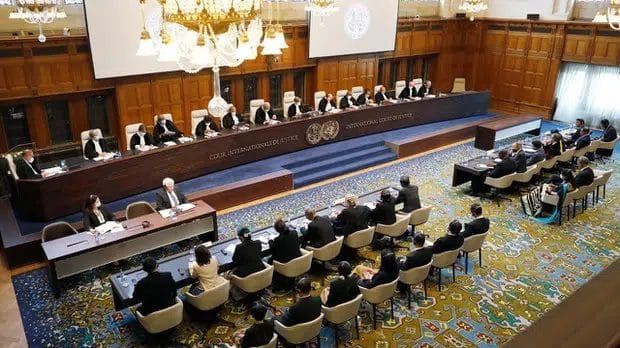
The Organisation of Islamic Cooperation (OIC), although facing a wide rift within, may find in the Dhaka foreign ministers conference a unifying cause to act on the Rohingya issue.
The plight of the Rohingyas had caught the attention of the OIC but not as a big challenge as much as the Saudi-Iran spat has emerged in recent times, leaving the mission of the organisation weak and vulnerable.
But as the foreign ministers will take up its own recommendations on what to do about Rohingyas on Sunday, second day of the conference, this would give the Muslim countries to focus on unifying its Ummah once again for a broad cause.
After all, when the OIC was conceived in 1969 following the arson of the Al-Aqsa mosque in Jerusalem, the goal was to form a platform of Islamic nations who would work together to solve their problems and work as a common lobby.
So as its charter was drawn up in 1972, “solidarity and cooperation” was the main cornerstone of the organisation with the aspiration that “all member states shall settle their disputes through peaceful means and refrain from use of threat or force in their relations.”
Some 47 years down the line, the organisation that spans over four continents with 57 member countries, the largest inter-governmental body after the UN, finds little of that cohesion and peaceful efforts to resolve crises that today grapples the most influential geopolitical footprint of the OIC — the Middle East.
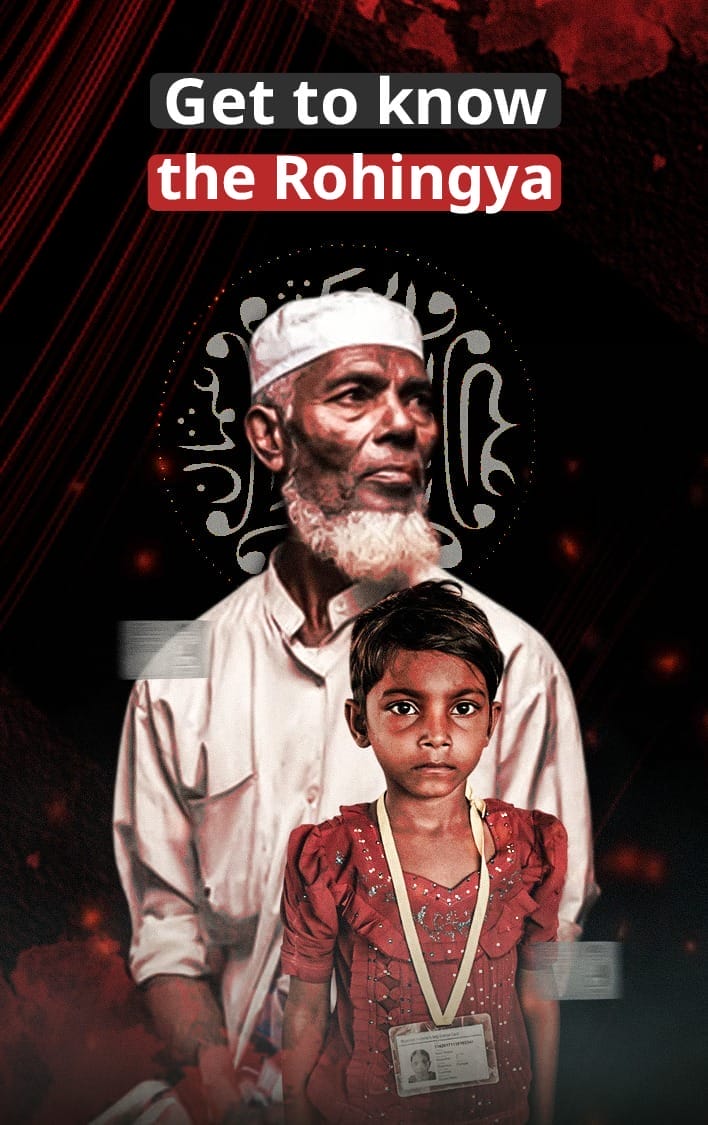
Since the recent Rohingya crisis began, the OIC has taken up the issue and urged Myanmar and the international community to resolve it. Its view of the persecution is akin to ethnic cleansing just as the UN has observed.
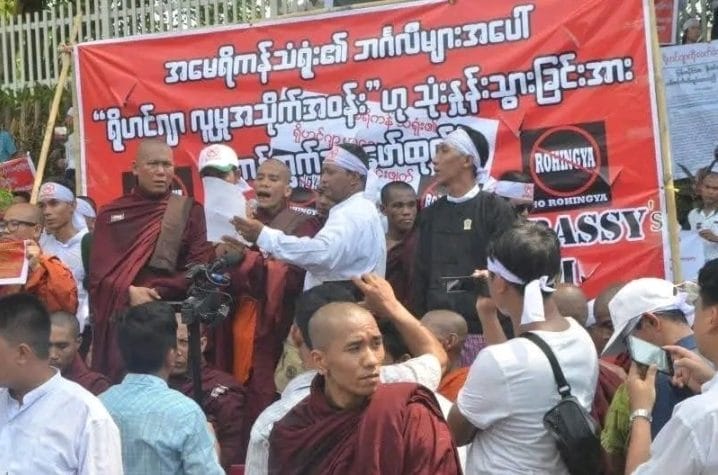
The ministers of foreign affairs of OIC Contact Group on Rohingya Muslims of Myanmar held a meeting on the sideline of the UN General Assembly in 2017 and called on Myanmar to immediately stop violence on Rohingyas. It has also asked the Myanmar government to return citizenships to the Rohingyas which was scrapped in 1982.
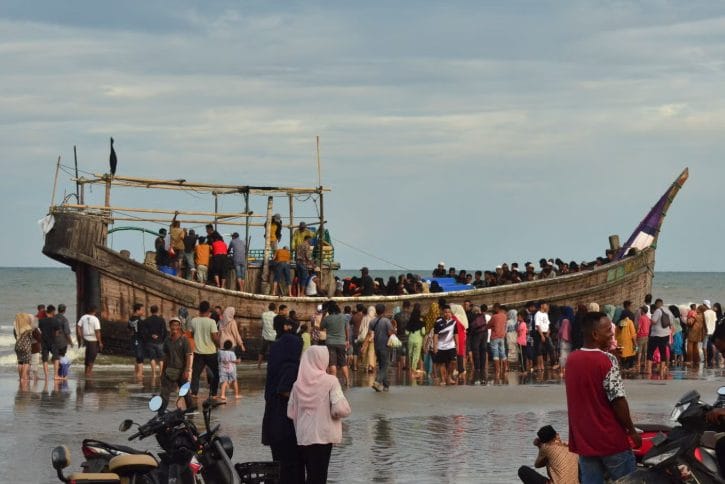
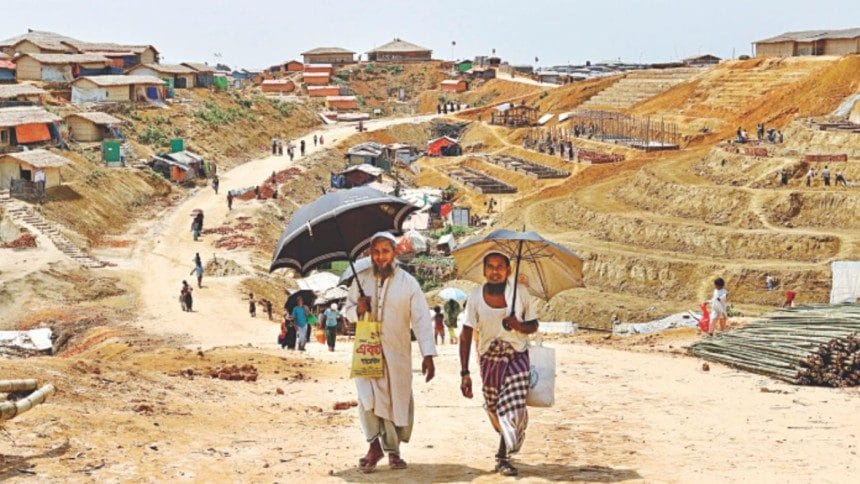
In January this year, a OIC delegation — Independent Permanent Human Rights Commission — visited the Cox’s Bazar camps and saw for itself the situation. The Delegation report was adopted by the commission in April and it is the same report that would be submitted with recommendations to the OIC foreign secretaries’ conference to begin in Dhaka on Saturday.
The recommendations are clear and welcoming — early, safe and dignified repatriation of the Rohingyas with guarantee to their safety and access to their livelihood.
The foreign ministers will visit the Rohingya camps again on Friday before the day of the conference and it is expected that the plight of the hapless people would be a reason around for the divided OIC to be united again round on one important point — to help humanitarian plight of the Muslim Ummah.
After all, it had set up its Department of Humanitarian Affairs in the 2008 conference exactly to come forward in cases such as the persecution of the Rohingyas.
A united stance can lead to a meaningful engagement of the UN Security Council on the issue even at bilateral level and thereby extracting a resolution on the issue and force Myanmar to take back its citizens.