
“We’ve seen a massive increase in violence not just between armed actors but also civilians, which is tearing families apart and leaving people to feel completely abandoned and disenfranchised,” Peter Maurer, president of the International Committee of the Red Cross (ICRC) told the Reuters.
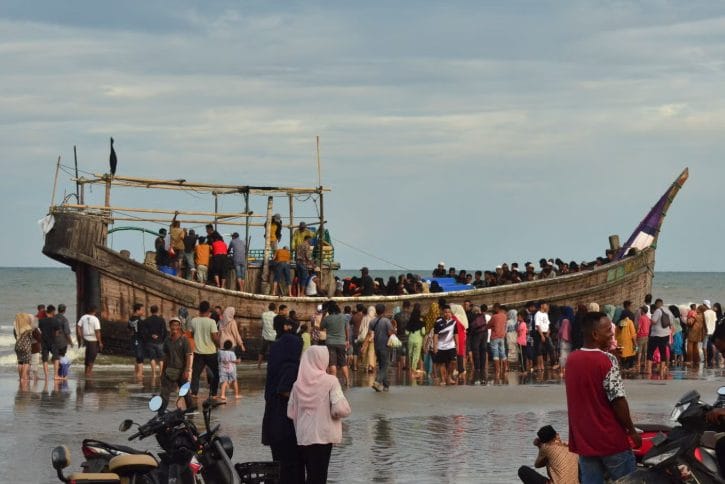
More than 600,000 Rohingya Muslims have crossed the border to neighboring Bangladesh since Aug. 25, when coordinated Rohingya insurgent attacks on security posts sparked a ferocious counter-offensive by the Myanmar army.
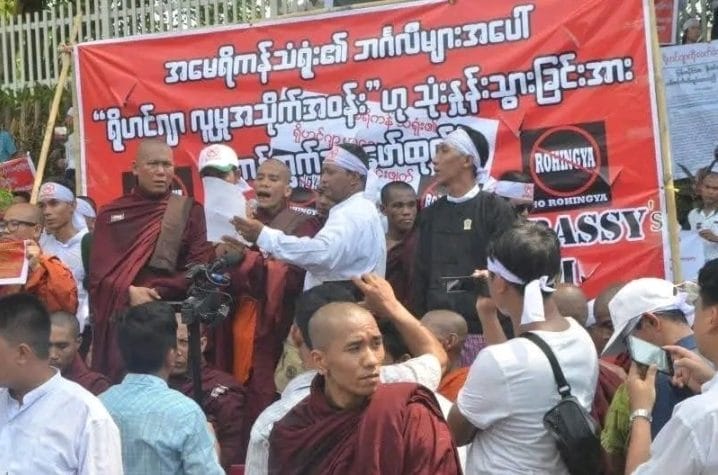
The United Nations says killings, arson and rape carried out by troops and ethnic Rakhine Buddhist mobs amount to a campaign of ethnic cleansing against the Rohingya.
“I worry that this continued context of fear and violence is spinning out of control and will only lead to displacement of more people,” Maurer said.
Myanmar has blocked humanitarian agencies apart from Red Cross organizations from accessing the northern part of Arakan state in western Myanmar, where the conflict worsened at the end of August.
“Being one of the only actors able to operate in Myanmar presents a considerable challenge in terms of accessing villages and knowing where displaced people are,” Maurer said.
“Some of my colleagues have had to walk for six-seven hours to a village, only to find it’s been deserted,” he said, although he added the Myanmar authorities had recently authorized Red Cross staff to use two helicopters to better track displaced people.
Maurer said high levels of inter-communal violence meant that aid workers were sometimes met with a “mixed reception” by communities and had to take “extreme care to convince people that we are not here to take anyone’s side”.