
Arakan News Agency
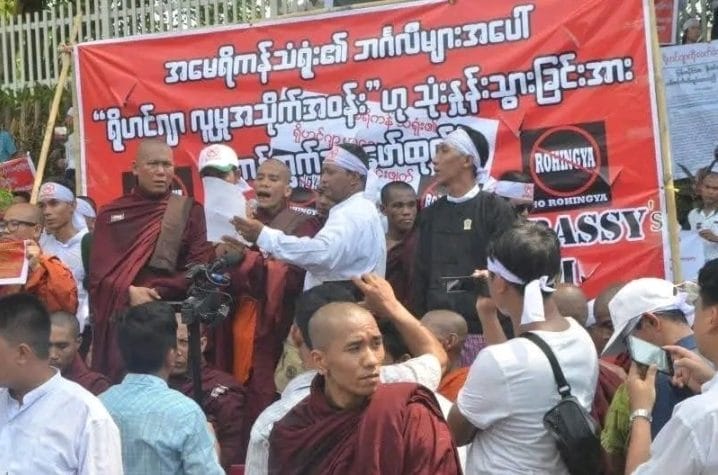
Throughout the country’s history, Burmese officials have maintained control “through a divide and rule strategy, pitting Buddhists, Christians, and Muslims against each other,” said Fr. Thomas Reese, SJ, Chairman of the U.S. Commission on International Religious Freedom in a Dec. 13 discussion in Washington, D.C. “The plight of both Rohingya Muslims and Christians results from successive governments that have both perpetuated and supported religious violations,” Fr. Reese continued. “It’s time for Burma to defend religious freedom,” he urged.
Two reports by the organization highlight the abuses suffered by religious minorities in Burma, also known as Myanmar, as well as by practitioners of the majority Buddhist religion who dissent from the mainline practice or government positions. Christians in the country face discrimination, forced conversions, violence and desecration of churches and Christian communities says the USCIRF Report “Hidden Plight: Christian Minorities in Burma.” Meanwhile, according to “Suspended in Time: The Ongoing Persecution of Rohingya Muslims in Burma,” members of the Muslim ethnic group are denied basic human rights like food, shelter, water, citizenship, or the ability to move.
The reports come days after international human rights organization Human Rights Watch released an analysis of images taken of a Rohingya village in Arakan state, which it says link the Burmese army to the arson of the village. “Burmese government officials have been caught out by this satellite imagery, and it’s time they recognize their continued denials lack credibility,” said Brad Adams, Asia director of Human Rights Watch, in a statement to the BBC. The Burmese government has denied its involvement in the burning down of Rohingya villages, instead suggesting that the Rohingya set their own homes on fire to solicit international sympathy.
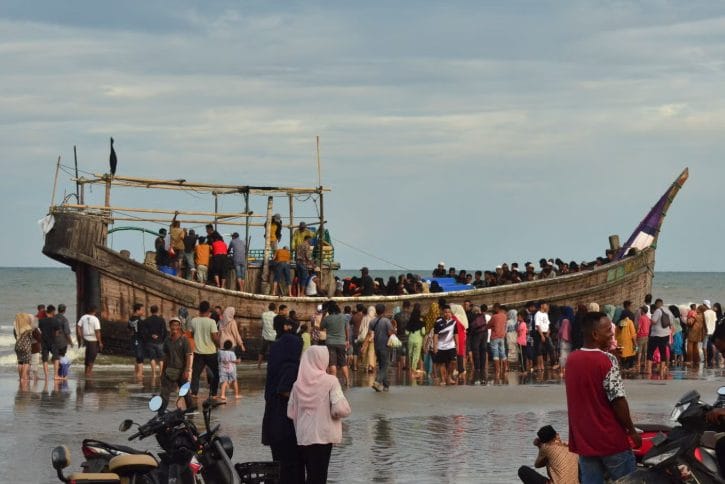
The United Nations estimates that since October more than 27,000 Rohingya have crossed the border to seek refuge in Bangladesh. Since 1999, USCIRF has recommended that the U.S. Department of State designate Burma a “Country of Particular Concern” for its “systematic, egregious, and ongoing violations of religious freedom,” explained the organization. In its reports, the commission offered hope that the new Burmese government would address these ongoing human rights concerns, but urged that the government take action on securing religious freedom promptly.