
Arakan News Agency
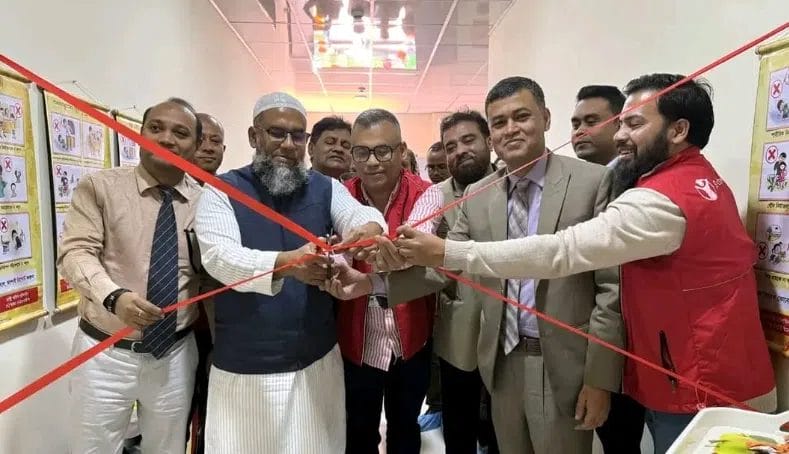
The International Rescue Committee (IRC) has held an evidence-sharing event in Cox’s Bazar, Bangladesh, calling for urgent and coordinated action to address critical emergency health and protection risks affecting Rohingya refugees and host communities.
The event, hosted at a hotel in Cox’s Bazar, brought together representatives from government authorities, humanitarian partners, the Inter Sector Coordination Group (ISCG), UN agencies, international and local non-governmental organizations, as well as donors. The gathering aimed to present key findings from recent studies assessing emergency health and protection response capacities in Rohingya refugee camps and surrounding host areas.
Speaking at the opening session, Rebecca Oketcho, Deputy Program Director at IRC, outlined the objectives of the event and stressed the importance of evidence-based decision-making to strengthen emergency preparedness and improve protection outcomes. She emphasized that reliable data is essential to identify gaps and guide effective humanitarian responses.
The research team presented detailed findings on emergency health and protection response capacities, followed by a protection analysis focusing on safety and security, gender-based violence, and the legal status of Rohingya refugees living in the camps.
As the chief guest, Md. Shamsuddin Douza, Joint Secretary and currently serving as Additional Refugee Relief and Repatriation Commissioner, highlighted the Bangladeshi government’s ongoing efforts to enhance multi-sector coordination and improve emergency response systems in both the camps and host communities. He underlined the need for sustained collaboration with humanitarian partners to close existing gaps in service delivery.
The event also featured an open discussion and interactive question-and-answer session, allowing stakeholders to reflect on the findings and identify priority actions for immediate intervention. Representatives from the Protection and Health sectors, along with members of the Emergency Preparedness and Response Working Group (EPR-WG), shared insights on operational challenges and opportunities for collective action.
As a special guest, David Bugden, Deputy Director of Programmes at ISCG, emphasized the importance of strengthening emergency preparedness and response capacities, as well as mitigating overall protection risks through coordinated and integrated efforts, particularly amid the ongoing humanitarian funding crisis.
The event concluded with closing remarks and a vote of thanks from Rebecca Oketcho, who reaffirmed IRC’s commitment to continued cooperation with the government and humanitarian partners to improve the overall response for vulnerable Rohingya refugees and host populations in Cox’s Bazar.
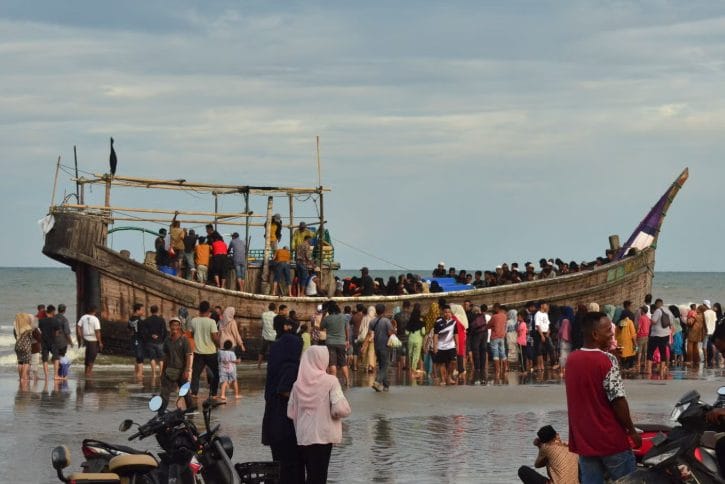
More than one million Rohingya refugees have been living in overcrowded camps in Cox’s Bazar since fleeing Myanmar in 2017. Amid declining humanitarian funding, growing health risks, and persistent protection concerns, aid organizations continue to warn of increasing challenges in emergency response, urging stronger coordination and sustained support to safeguard both refugees and host communities.