Arakan News Agency
The prospects for constitutional change and a free and fair general election has made 2015 a “tipping point” for the reform process in Myanmar, United Nations special envoy Yanghee Lee said on March 16.
Ms Lee was addressing the UN Human Rights Council in Geneva for the first time since assuming the role of special rapporteur on human rights in Myanmar last June.
“While highlighting some positive developments, my report to this Council describes continuing challenges indicating worrying signs of backtracking on key human rights issues,” she said.
Ms Lee expressed disappointment at a government statement issued after her second mission in January that said her visits should not leave the Myanmar people with discord, distrust and incitement.
“This has never been my intent, nor the intent of this Council in establishing my mandate,” Ms Lee said.
“As a friend of Myanmar, my only priority is to be able to work with the government and other stakeholders to contribute to a climate of unity and enjoyment of human rights for all,” she said.
She described the situation in Rakhine as “dire”, with a hostile atmosphere between communities there.
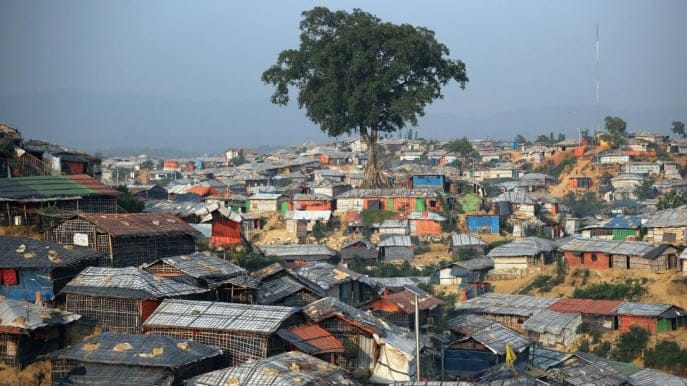
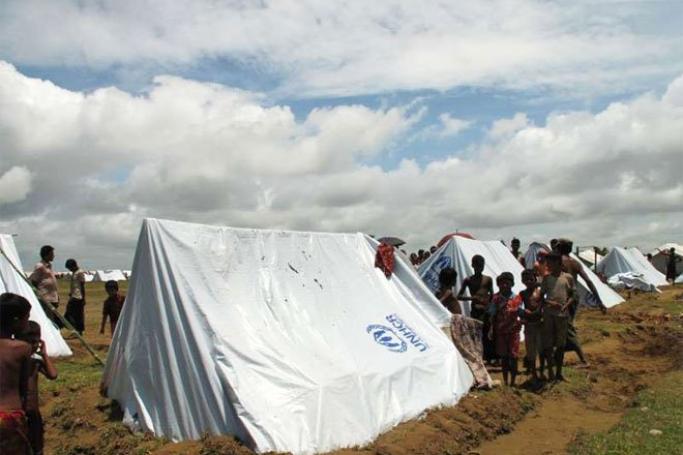
Ms Lee said the justification given by the government for confining Muslims in camps in Rakhinefor their own protection was troubling, adding that conditions in IDP camps she visited were “abysmal”.
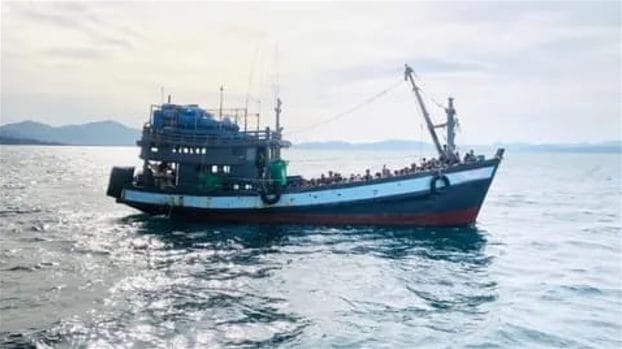
“People said they had only two options: ‘stay and die’ or ‘leave by boat’, she said, adding: “No one should ever feel faced with such a choice.”
Ms Lee noted that the term “Rohingya” continued to face strong resistance.
“I believe that the focus on terminology has paralysed progress and we should now collectively find meaningful ways to improve the human rights of all in Rakhine State,” she said.
Ms Lee said she was yet to receive a copy of the latest version of the Rakhine Action Plan and would be concerned about any provision that classified Rohingyas as “illegal aliens” and subjected them to possible prolonged internment in camps or removal from the territory.
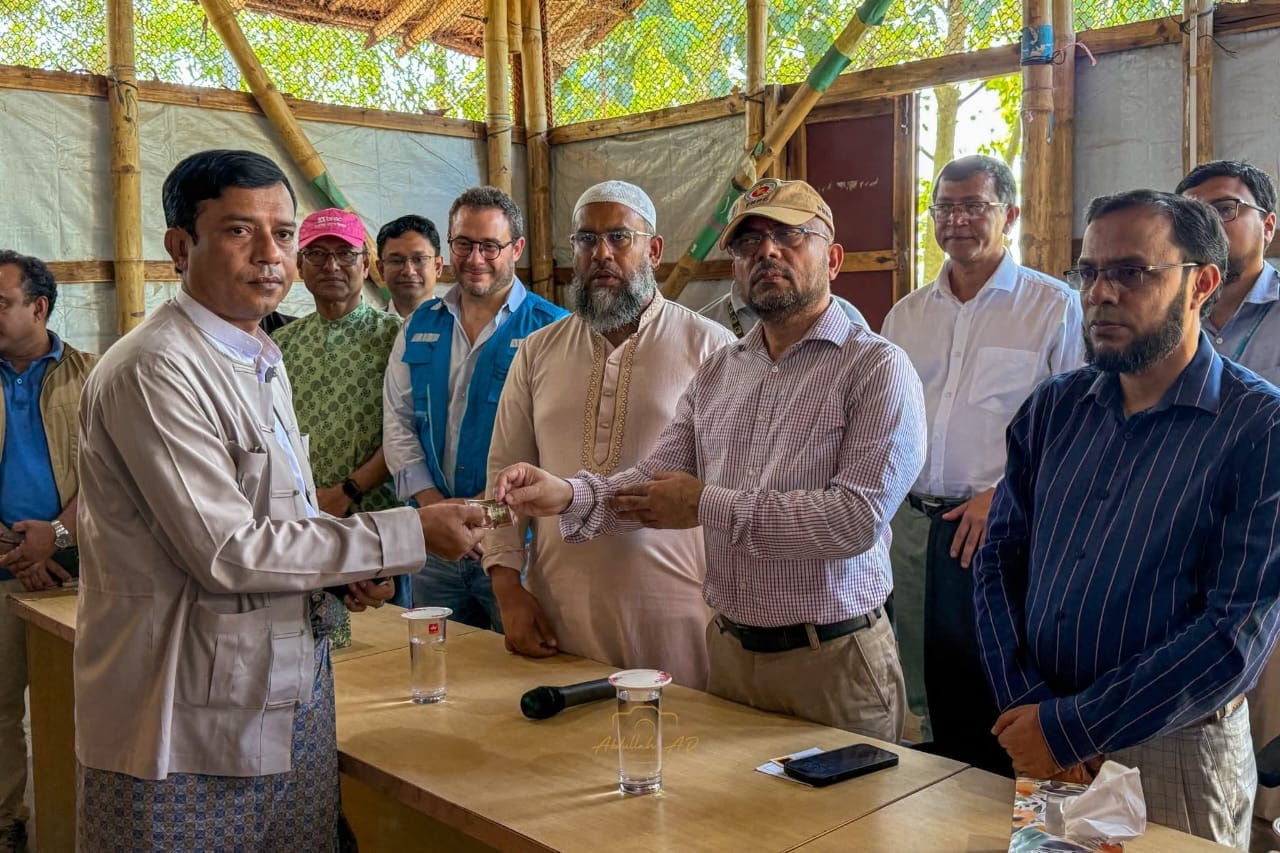
“The expiry at the end of March 2015 of the temporary white cards held by many Rohingyas as identity documentation raises more uncertainties and further increases their vulnerability,” she said.
The special envoy also expressed concern at amendments to the Political Parties Registration Law in 2014 that permit only full citizens to form political parties.
It was important to welcome positive developments in Myanmar, “but also to honestly highlight the areas of risk and the numerous challenges that must be addressed rapidly before they undermine the successes achieved so far,” Ms Lee said.
source : Mizzima