
Arakan News Agency
Indian authorities continue to deny Rohingya refugees access to protection and basic services, even as state governments move forward with formal registration of other refugee groups fleeing Myanmar.
Local authorities in “Mizoram” State have completed nearly 85 percent of the biometric registration process for refugees from Myanmar, the majority of whom belong to the Chin ethnic group.
The process includes identity verification, collection of personal data, and the granting of administrative recognition by local authorities.
More than 24,000 Myanmar refugees in “Mizoram” have undergone biometric registration, including thousands of women and children. District administrations have actively carried out the process in several border areas, according to The Times of India.
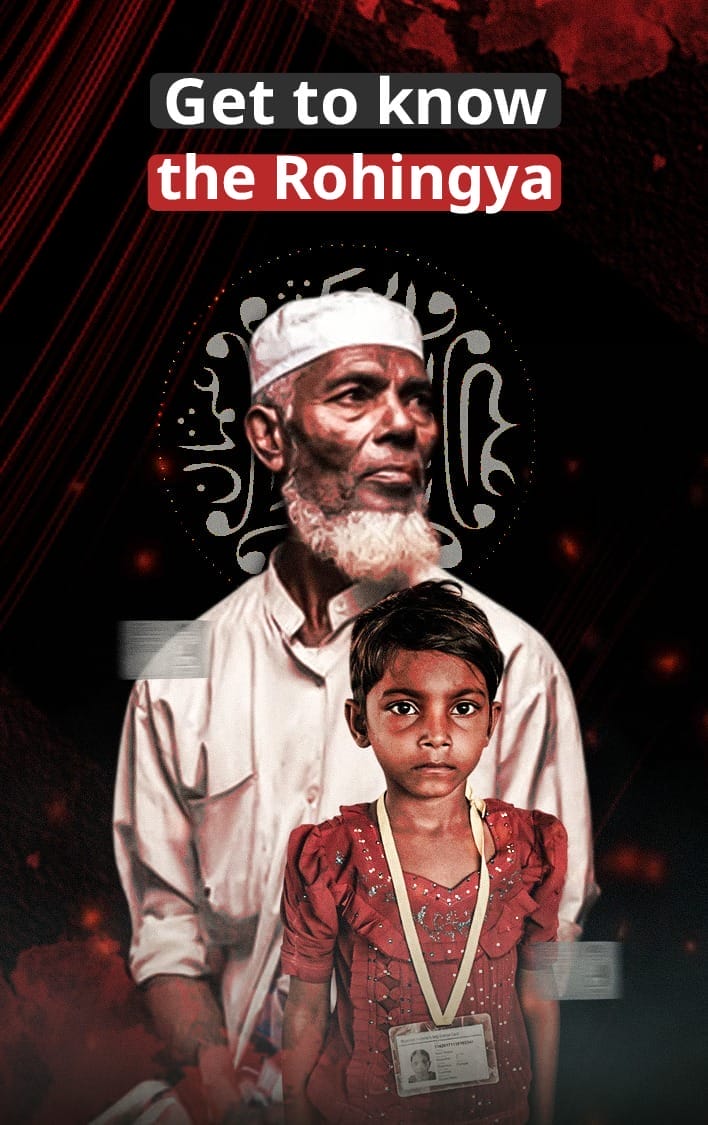
In contrast, Rohingya refugees residing in India remain excluded from these procedures. Many continue to face detention, threats of deportation, and the complete absence of any legal refugee status.
Unlike other refugee groups from Myanmar, Rohingya are not permitted to access biometric registration systems, nor are they granted official protection or state-supported assistance.
India has repeatedly described the Rohingya as “illegal migrants,” despite broad international recognition of the Rohingya as one of the most persecuted minorities in the world.
Human rights organizations warn that this approach leaves Rohingya refugees without legal documentation or security guarantees, while denying them access to essential services such as healthcare, education, and livelihoods.
This situation highlights a clear disparity in India’s treatment of refugees: non-Rohingya groups receive administrative support and official recognition, while Rohingya communities live under constant fear, uncertainty, and systematic exclusion.
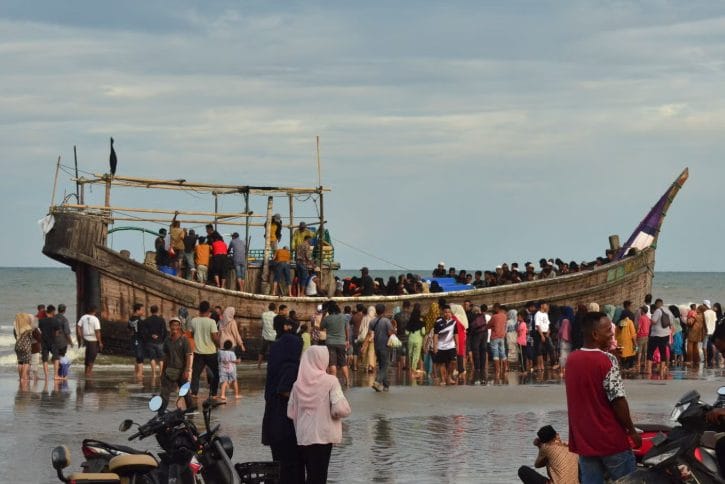
India has hosted thousands of refugees from Myanmar for years, particularly following military coups and escalating armed conflicts in Chin, Sagaing, and Arakan State, which have forced diverse groups to seek refuge in border states, most notably Mizoram and Manipur.
Rohingya in India continue to face a policy of exclusion rooted in their classification as “illegal migrants,” depriving them of legal protection and basic services, and exposing them to detention and forced deportation, amid ongoing criticism from international human rights organizations.