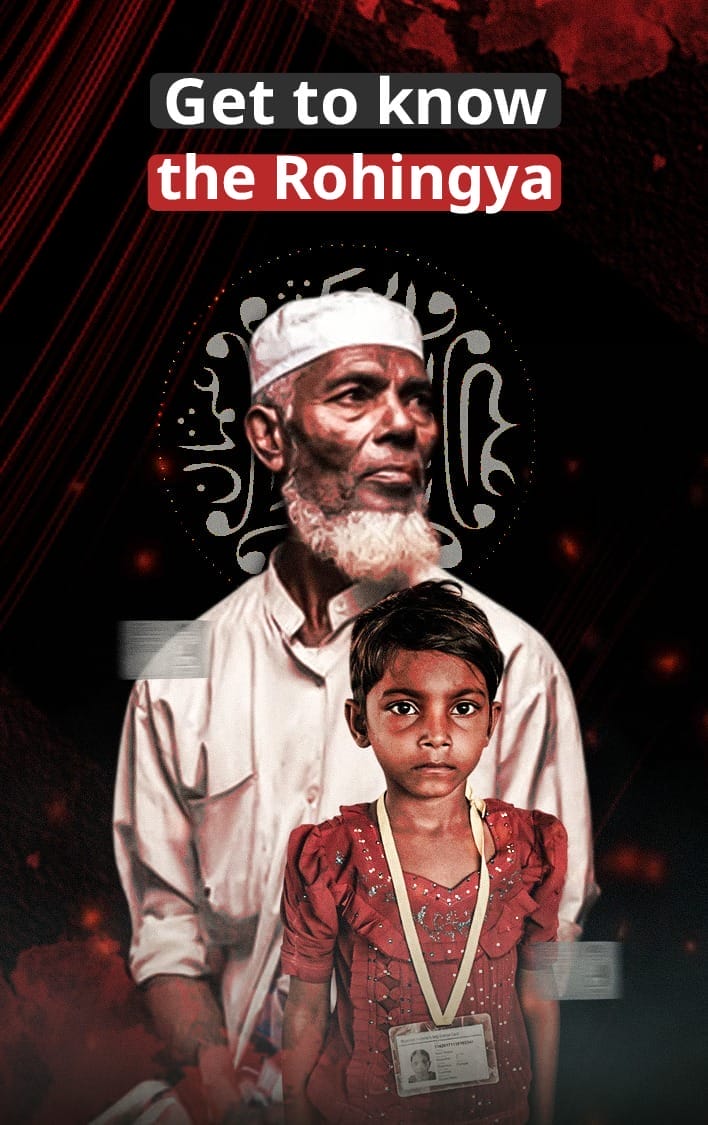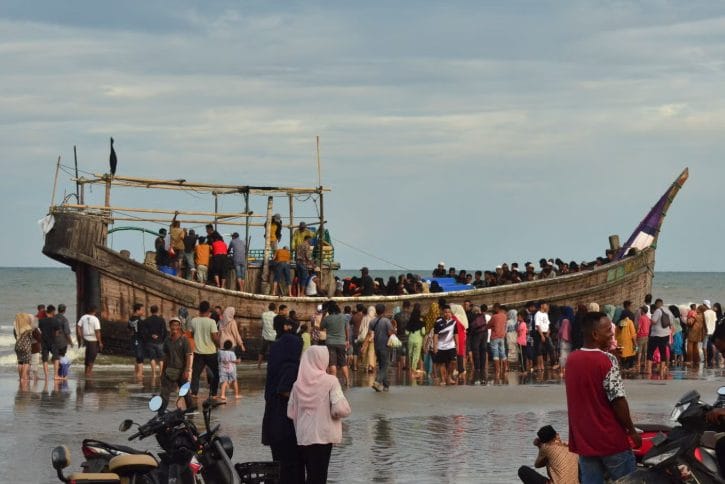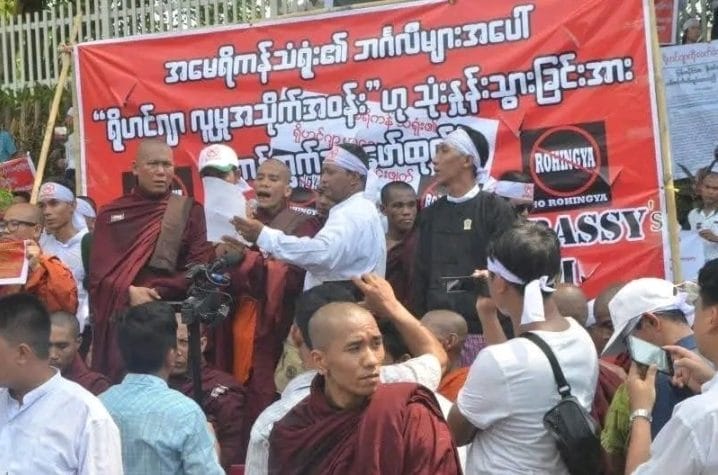

The numbers vary from 600,000-900,000 but the horror and seeming hopelessness of the situation is the same: Muslim refugees from the region of Rohingya have fled their homes across the boundaries of Bangladesh to escape what the United Nations (UN) and other international organizations have described as “ethnic cleansing” from the Myanmar military forces.
Food, water, and shelter are desperately needed by these survivors of a massacre, and their traumatized children should be placed in schools where they can regain their education and a semblance of normalcy. Countries who had been shocked by the reports have donated funds totaling more than $300 million as support to make such a recovery situation happen. Meanwhile, other Rohingya natives who were not able to make the crossing into Bangladesh wait in the watery boundaries between that nation and Myanmar, and they are subject to very marginalized conditions.
According to Channel News Asia, William Lacey Swing, the head of the UN’s International Organisation for Migration, calls the Rohingya refugee crisis as among the “fastest-growing” of its kind—and may even be more nightmarish. The Rohingya natives in Myanmar are a Muslim minority whose rights have reportedly been ignored or repressed by the national government.
Distrust and suspicions of militant subversives in the region triggered a military assault that was nothing short of genocide, as described by the survivors who had escaped with nothing but their lives. The attack was orchestrated, timed, and merciless—it killed thousands of Rohingyas, and the Myanmar soldiers did not discriminate between rebels and civilians. Entire families were killed in the middle of the night. Children were not spared. Then after the last shots were fired, another form of violence took place, as the attackers reportedly raped the women who had been left behind.
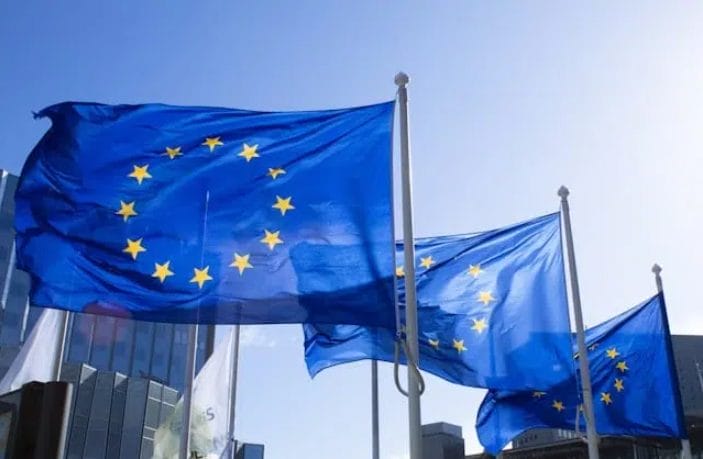
It will take $434 million dollars to provide support that can ensure the survivors’ basic survival from the present day up to February 2018. The international community, spurred by the UN’s wake-up call, has pledged to give about $345 million, with signs showing that more will still come. The nations that had promised the bulk of these monies are Great Britain with $63 million; the European Union with $42 million; the United States with $38 million, and Sweden with $24 million.