
Arakan News Agency | Special Report
Schools in areas controlled by Arakan militias (separatist Buddhist) in Arakan State are facing a growing education crisis, with teachers reporting months of unpaid salaries and students lacking even the most basic learning materials.
An Arakan News Agency correspondent, citing a Rohingya teacher in Maungdaw, said he has been working since August but received only 100,000 Myanmar kyats for an entire three-month period, with the payment arriving only in October. The teacher’s identity is being withheld for security reasons.

Teachers said families in these areas are required to pay monthly school fees of 10,000 kyats for primary school students, 20,000 kyats for middle school students, and 30,000 kyats for high school students, under the pretext of supporting teacher stipends and other education-related costs. However, teachers confirmed they have not been paid regularly and are not receiving essential teaching supplies.
One local resident expressed concern, saying:
“Families can barely afford these fees in the current situation. We don’t know where the money is going. Teachers aren’t being paid, and students don’t even have proper books.”
The report found that many teachers now rely on PDF versions of textbooks due to shortages, while students are forced to use old or incomplete books. With rising prices and limited market access, obtaining new textbooks has become extremely difficult for most families.
A Rohingya teacher said: “We are doing everything we can to continue teaching. It is our responsibility. But under these shortages, we urgently need support from organisations. We need textbooks, notebooks, ink, pens, and other basic classroom materials.”
Teachers called for urgent assistance to sustain education in these areas, as pressure continues to mount on teachers, students, and families trying to preserve schooling amid ongoing instability.
Arakan State, particularly northern areas such as Maungdaw and Buthidaung, has seen severe deterioration in basic services since fighting resumed between the Myanmar military / ruling military council in Myanmar and Arakan militias (separatist Buddhist) in late 2023.
The conflict has disrupted education, health care, and public services, while strict movement restrictions and limited humanitarian access have further worsened conditions.
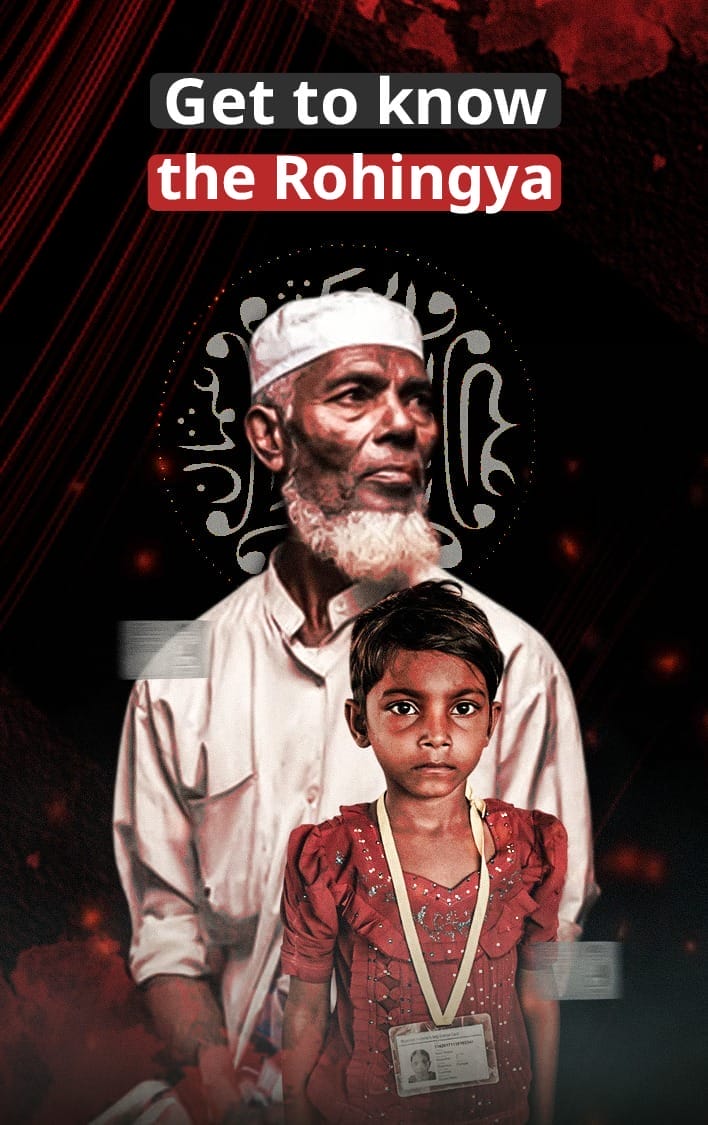
An estimated 500,000 Rohingya remain inside Arakan State in Myanmar, living under harsh conditions marked by restricted movement, food insecurity, and limited access to formal education.