Arakan News Agency | Exclusive
Field sources in Arakan State have confirmed that the Rohingya continue to face a severe and ongoing health crisis in the north of the state, despite claims by media outlets affiliated with the Buddhist Arakan militias (Arakan Army) that health conditions have improved and medical care is available under their administration. The sources noted that the reality on the ground remains dire, marked by a sharp shortage of basic health services.
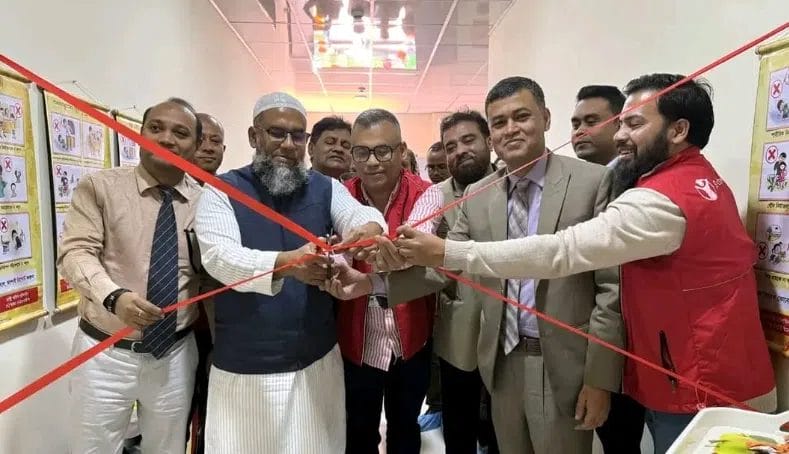
They said that media run by the Arakan militias (Buddhist separatists) reported that the Arakkha Health Department is providing healthcare services and humanitarian assistance to displaced Rohingya in northern Maungdaw, describing conditions there as safe and improving.
However, the sources stressed to Arakan News Agency that Rohingya communities in the towns of Maungdaw and Buthidaung continue to face serious health challenges due to a lack of medicines, limited access to clinics, and the absence of trained doctors and nurses.
They explained that preventable and treatable diseases such as malaria, diarrhea, skin infections, and respiratory illnesses are widespread, while pregnant women and young children are among the most affected groups, with many unable to obtain adequate or timely medical care.
They added that movement restrictions, fear of detention, and long distances to health facilities further reduce access to treatment, exacerbating the health crisis within these communities.
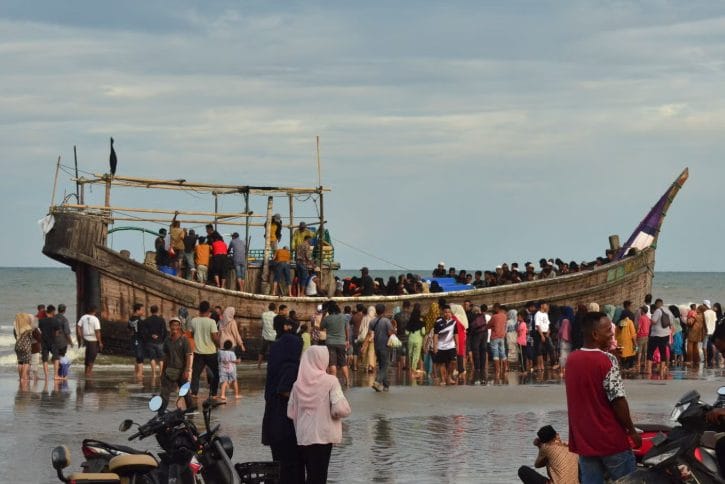
The sources noted that many Rohingya continue to cross into Bangladesh in search of medical care, particularly in cases of serious illness, childbirth complications, and emergencies, pointing out that this dangerous journey has become the last resort for families unable to receive treatment inside northern Arakan State.
Local residents confirmed that reports published by media linked to the Arakan militias reflect isolated cases and do not represent the broader reality, explaining that most Rohingya communities continue to suffer from an unresolved health crisis amid the absence of independent oversight and a lack of regular humanitarian access.
Previously, local residents in Maungdaw reported outbreaks of diseases such as diarrhea, gastrointestinal disorders, skin diseases, and parasites due to contamination of water distributed through the city’s networks. The militias also prevented Rohingya patients in Maungdaw who required urgent treatment from traveling to Bangladesh.
Maungdaw city is under the control of the Arakan militias after they seized it following a military campaign launched in November 2023 against the Myanmar army to take control of the state. The militias managed to capture 14 out of 17 towns. The conflict has severely affected the Rohingya, who have been subjected to violence, forced displacement, and persecution by both sides, after previously enduring a campaign of “genocide” by the Myanmar army in 2017 that forced nearly one million of them to flee to Bangladesh.