Arakan News Agency
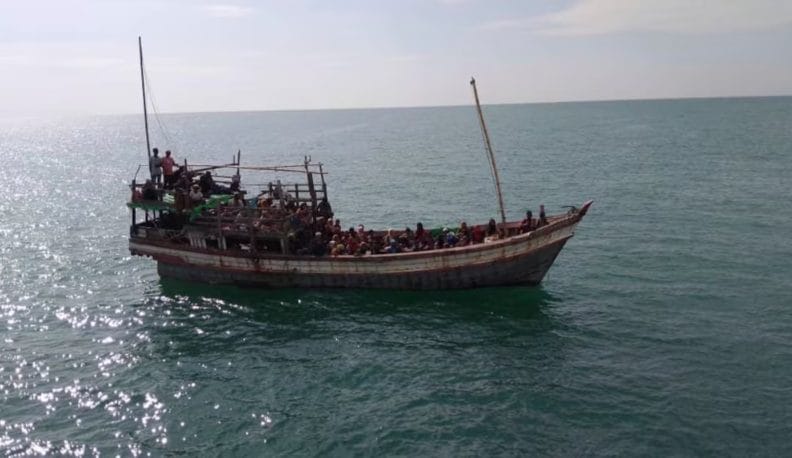
Myanmar told the United Nations High Commissioner for Refugees (UNHCR) on last Monday that its top priority is to repatriate the Rohingyas who fled to Bangladesh but more should be done to “strengthen stability” in the troubled Arakan state in the north of the country.
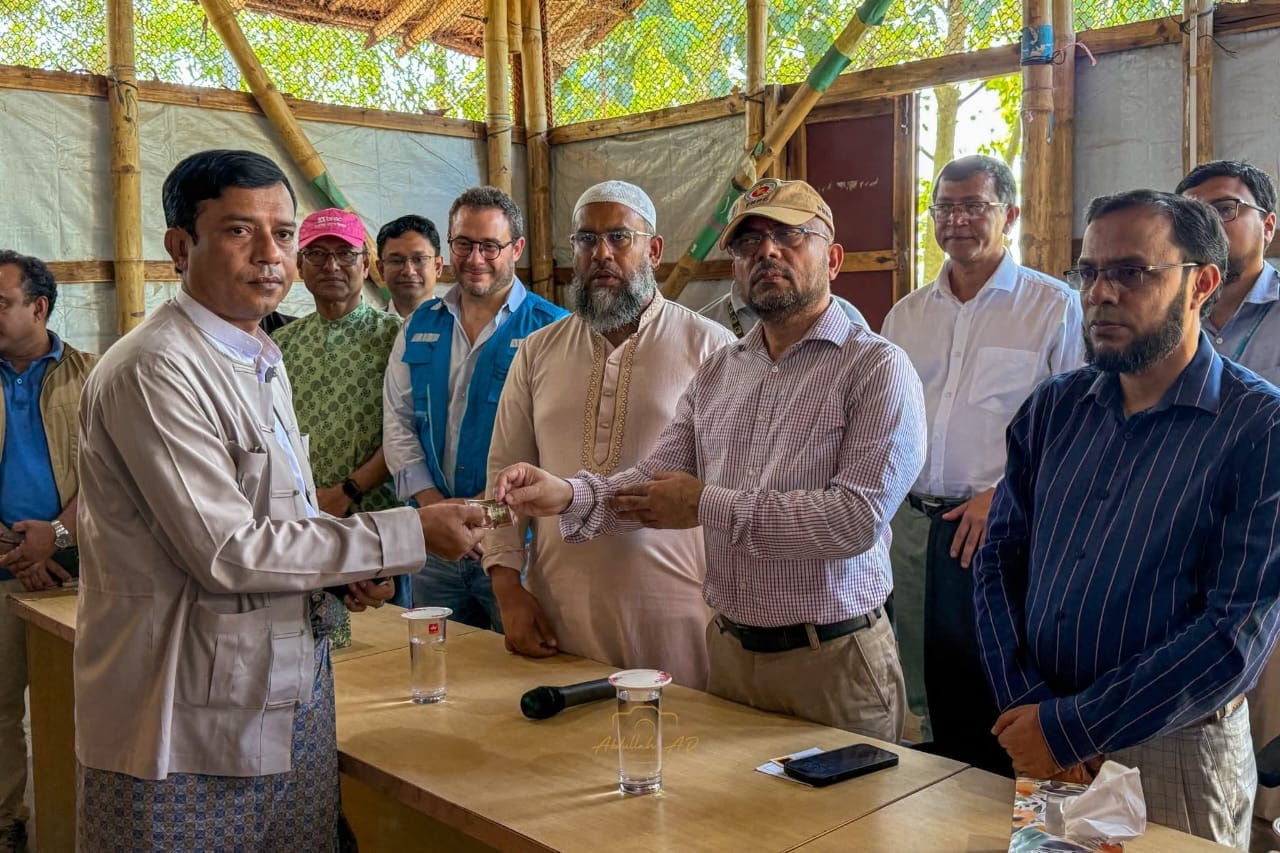
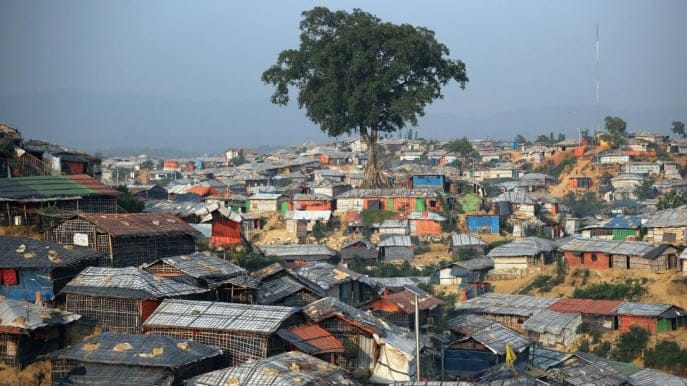
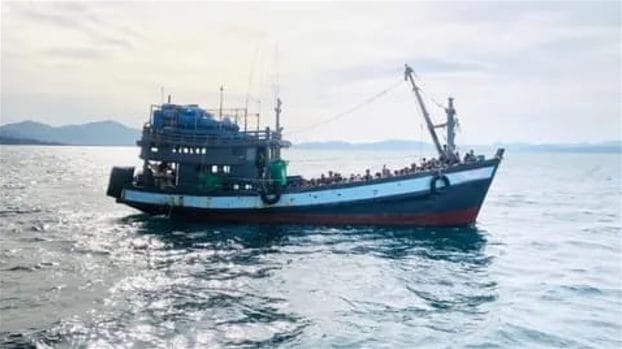
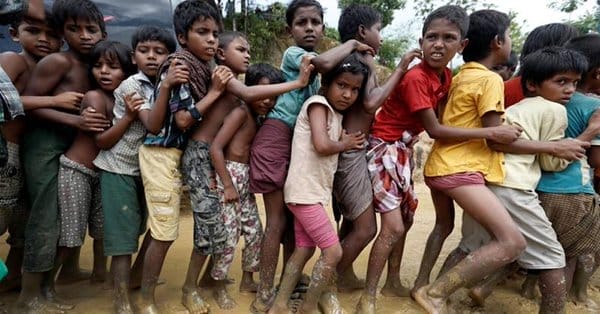
Bangladeshi Foreign Minister Abulhasan Mahmood Ali said Bangladesh and Myanmar agreed on last Monday to set up a working group to plan the repatriation of more than half a million Rohingya Muslims who fled to Bangladesh in the face of a violent campaign by the army.
Myanmar Minister Win Myat Aye spoke before the Executive Committee of the International Commission after the UN High Commissioner for Refugees, Filippo Grandi, called for the resolution of issues relating to the citizenship and rights of Rohingya.
“Our next highest priority is the repatriation of refugees who have fled to Bangladesh,” the minister told the committee in Geneva.
“The process can begin at any time for those wishing to return to Myanmar. The process of refugee verification will be based on an agreement between the Governments of Myanmar and Bangladesh in 1993 “.
“Those who are verified as refugees from this country will be accepted without any problem and with full assurance of their security and human dignity,” he said.
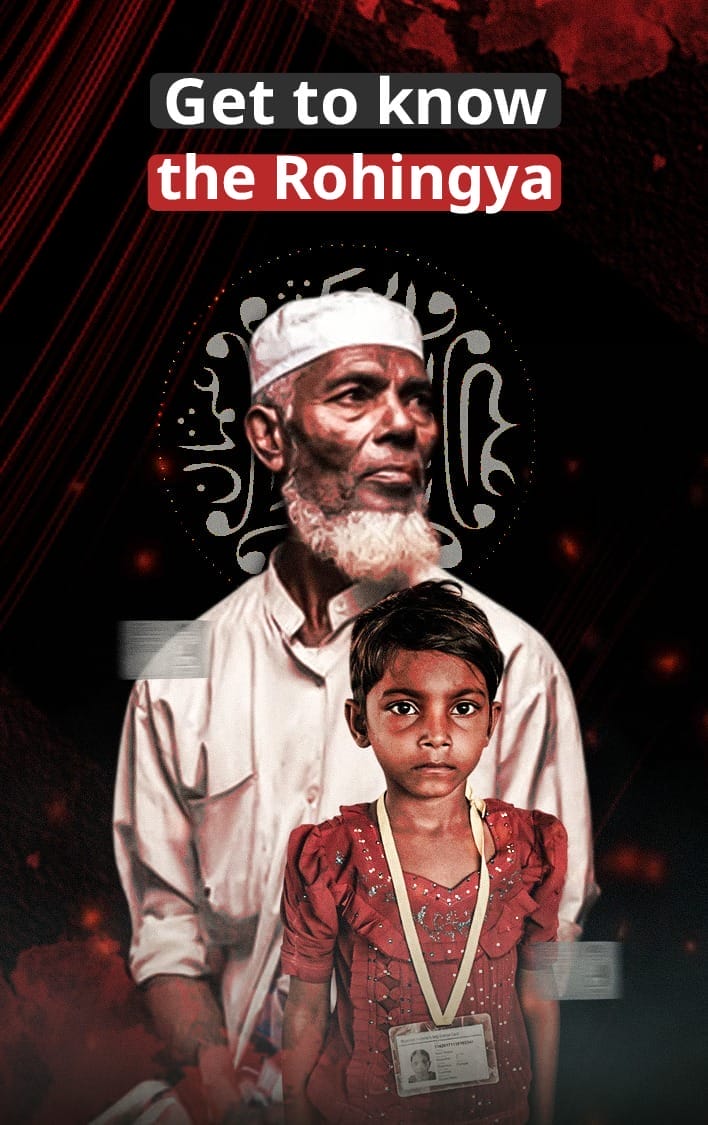
The status of the Rohingya in Myanmar, which refuses to grant citizenship and considers them illegal immigrants, has not yet been settled, although their roots in that Asian country date back centuries. Their community has been marginalized and faced waves of sectarian violence over the years.
Many refugees are pessimistic about the prospects of their return to the predominantly Buddhist Myanmar and fear they will not be able to renew the documents they expect the government to demand to establish their right of return.
In addition to the humanitarian dimension, the situation needed to be addressed “from security and political angles”.
“Although the security situation in the affected areas has improved and although there have been no armed clashes since September 5, more needs to be done to strengthen stability in the region,” he said.
“Giving preferential treatment to a single group in terms of providing humanitarian assistance or media protection may lower the morale of the other group.”