Arakan News Agency
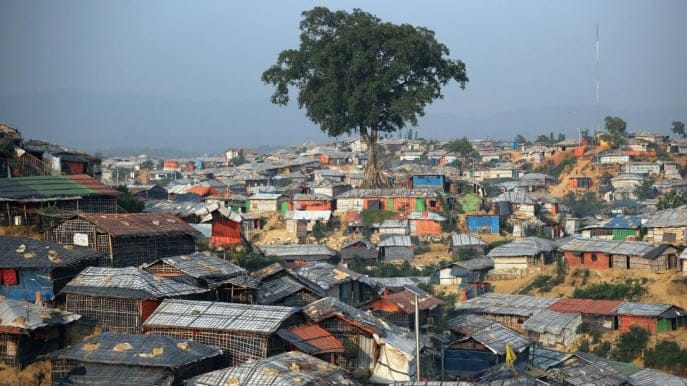
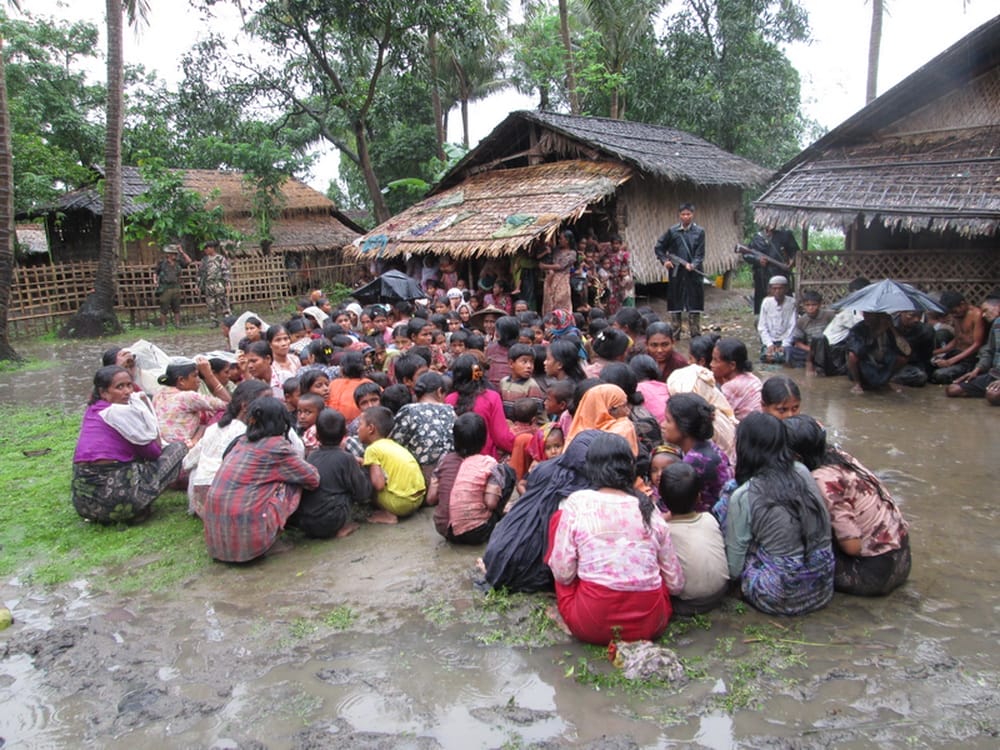
SITTWE, Myanmar — The Myanmar government has given the estimated one million Rohingya people in this coastal region of the country a dispiriting choice: Prove your family has lived here for more than 60 years and qualify for second-class citizenship, or be placed in camps and face deportation.
The policy, accompanied by a wave of decrees and legislation, has made life for the Rohingya, a long-persecuted Muslim minority, ever more desperate, spurring the biggest flow of Rohingya refugees since a major exodus two years ago.
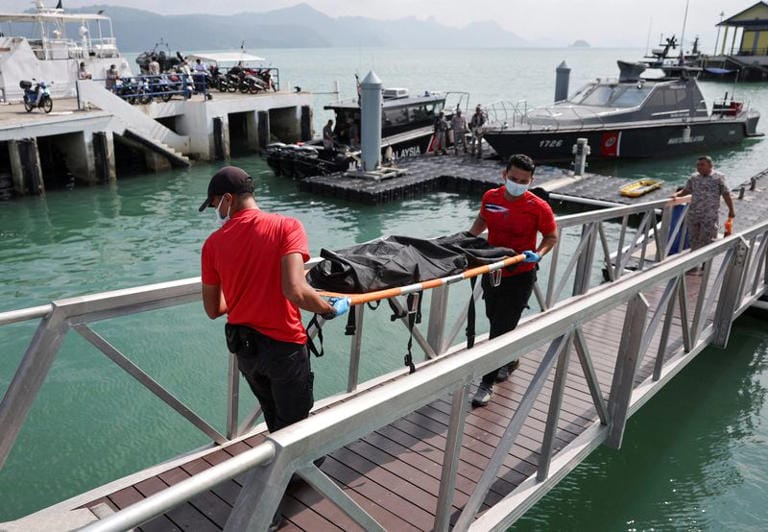
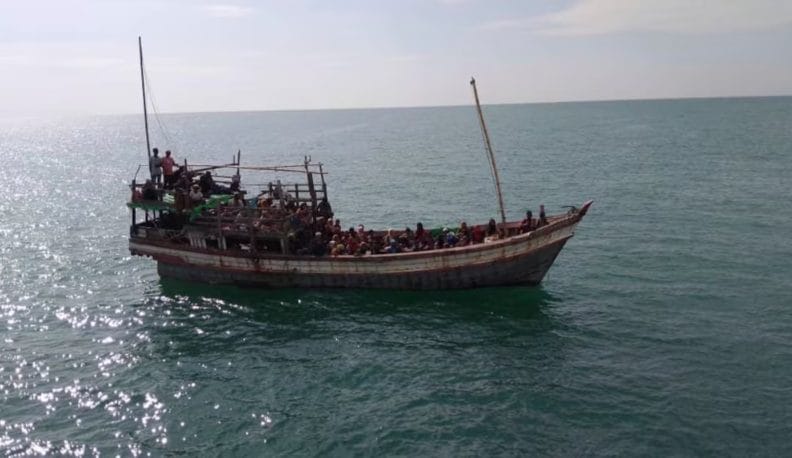
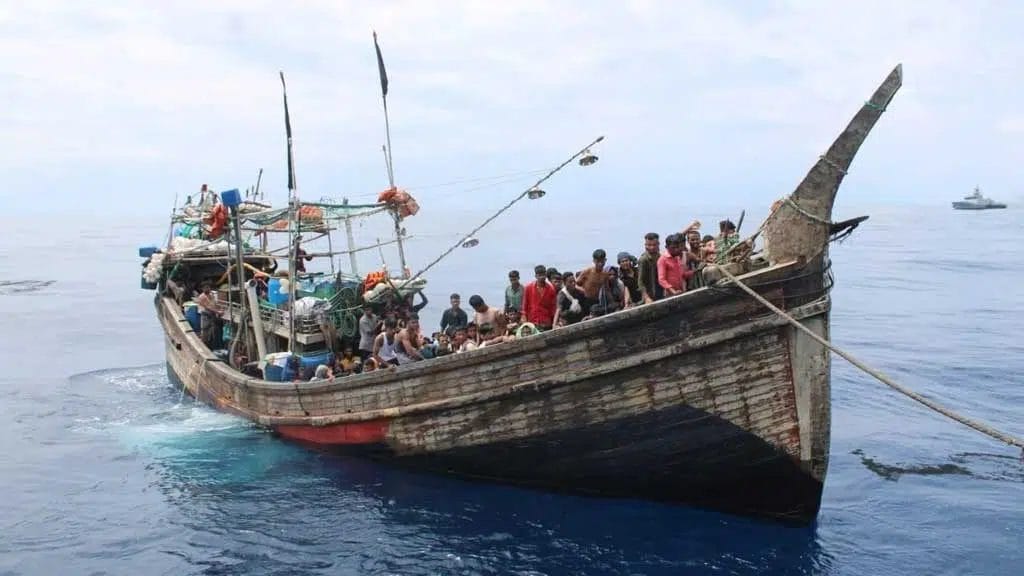
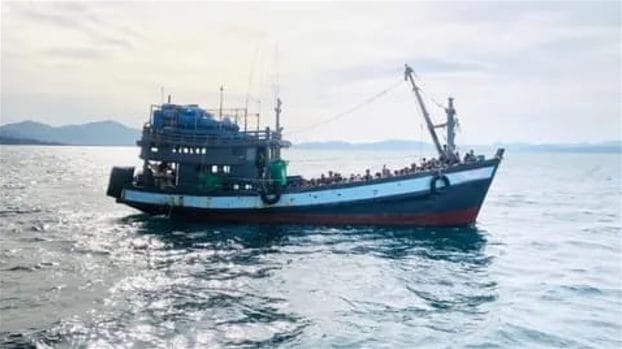
In the last three weeks alone, 14,500 Rohingya have sailed from the beaches of Rakhine State to Thailand, with the ultimate goal of reaching Malaysia, according to the Arakan Project, a group that monitors Rohingya refugees.
The crisis has become an embarrassment to the White House ahead of a scheduled visit by President Obama to Myanmar next week. The administration considers Myanmar a foreign-policy success story in Asia but is worried that renewed conflict between Buddhist extremists, who are given a free hand by the government, and the Rohingya could derail the already rocky transition from military rule to democratic reform.
Mr. Obama called President Thein Sein of Myanmar last week, urging him to address the “tensions and humanitarian situation in Rakhine State,” the White House said.
In his most public appeal to the government yet, Mr. Obama asked the Myanmar leader to revise the anti-Rohingya policies, specifically the resettlement plan. Myanmar must “support the civil and political rights of the Rohingya population,” he said.
The Rohingya have faced discrimination for decades. They have been denied citizenship and evicted from their homes, their land has been confiscated, and they have been attacked by the military. After one such attack in 1978, some 200,000 fled to Bangladesh.
Source: The New York Times