Arakan News Agency
Rohingyas in Myanmar face “problems and conflicts,” but the situation is clearly not one of genocide, according to the country’s first cardinal.
Charles Maung Bo, Archbishop of Yangon, told Crux there are many issues the minority Muslim group are facing, including their citizenship troubles, but “ethnic cleansing” is not taking place.
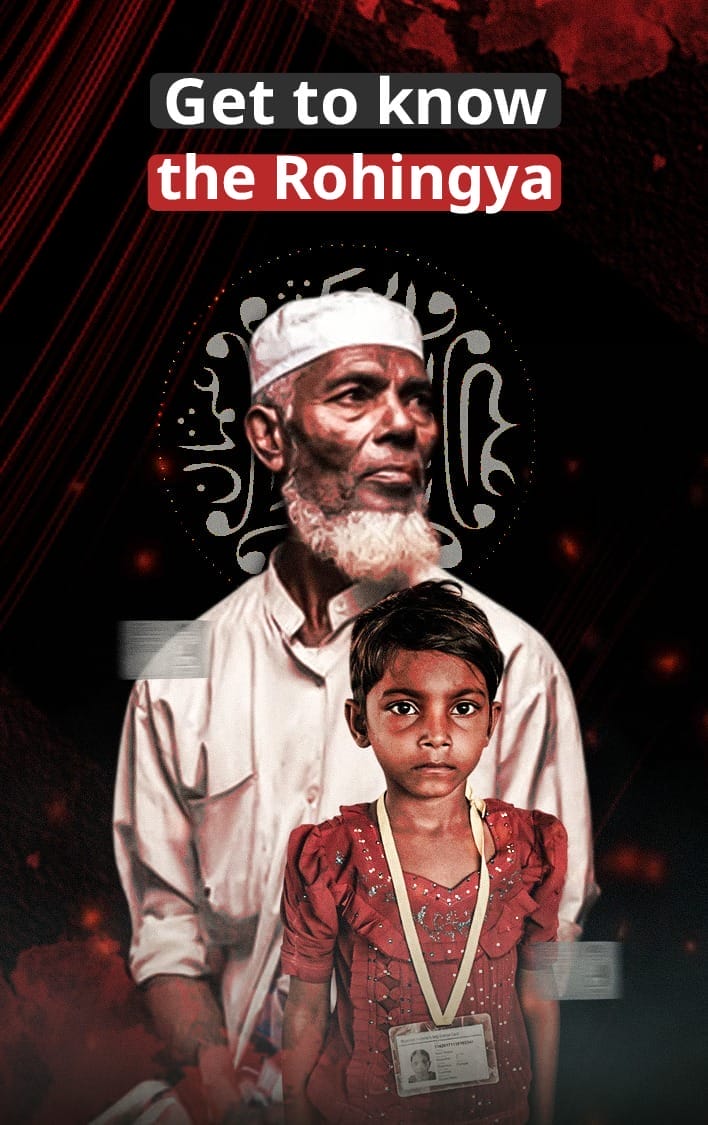
Rohingyas live mostly in Arakan State, and claim to be native to the area. and has faced persecution for decades, and were denied citizenship under a nationality law passed by the government’s military regime in 1982, in which the Rohingyas are officially considered “Bengali interlopers.”
Since then, they have suffered occasional pogroms, including in 2012, when thousands were burnt out of their homes.
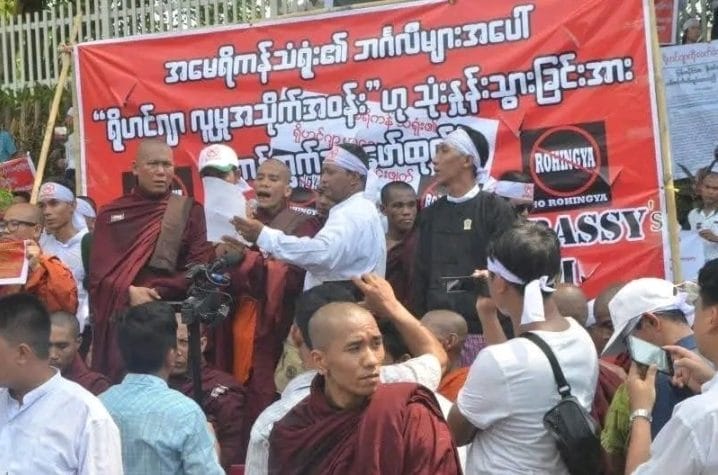
Another major crackdown on the community – instigated by extremist Buddhist monks – began again in 2016.
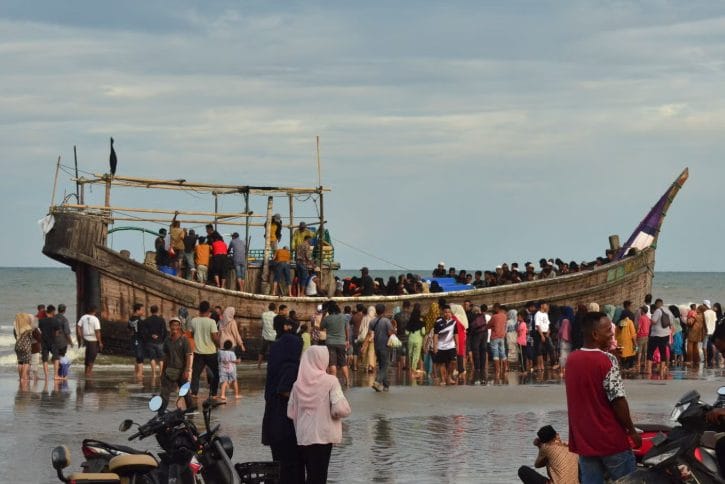
Tens of thousands of Rohingya, perhaps as many as 100,000, are believed to have fled the country after these events, most crossing by land into Bangladesh but others taking boats in an effort to reach Indonesia, Malaysia, and Thailand.
Often, they have faced a harsh welcome, with receiving countries ill-prepared to handle an influx of refugees.
Cardinal Patrick D’Rozario of Bangladesh, where Pope Francis is expected to visit later this year and where Rohingya Muslim refugees from Myanmar have to date received a decidedly uneven reception, said on World Refugee Day that these new arrivals are “human beings who have a right to dwell in their own traditional way.
“They have a right to live where they have been living, but now they are refugees,” said D’Rozario.
A UN report in February described the situation in Arakan State a possible “genocide” and described a set of “crimes against humanity” in Myanmar, noting the Rohingyas are in effect stateless, and facing a “campaign of terror.”
Bo has been a strong advocate for better treatment of the Rohingyas, and in February called on the Myanmar government “to allow unhindered access to all parts of Arakan State,” as well as to allow “international humanitarian aid agencies, media and human rights monitors…to work with the international community to investigate the crimes reported by the United Nations, in a truly independent way that results in justice and accountability.”
So for the cardinal to now say “clearly there is no ‘genocide’ and no ‘ethnic cleansing’” of the Rohingyas is significant.
Bo told Crux all religious minorities, including Christians, face problems in the Buddhist-majority country. He said there are over 150,000 refugees in camps across the border with Thailand, and the bishops’ conferences of both countries are working together to help prepare the way to repatriation.