
Arakan News Agency
The Myanmar navy has detained 28 Rohingya fishermen, all refugees living in camps in Pauktaw Township, Arakan State, while they were engaged in fishing activities on Sunday, 22 December, at around 2:30 p.m., according to local sources.
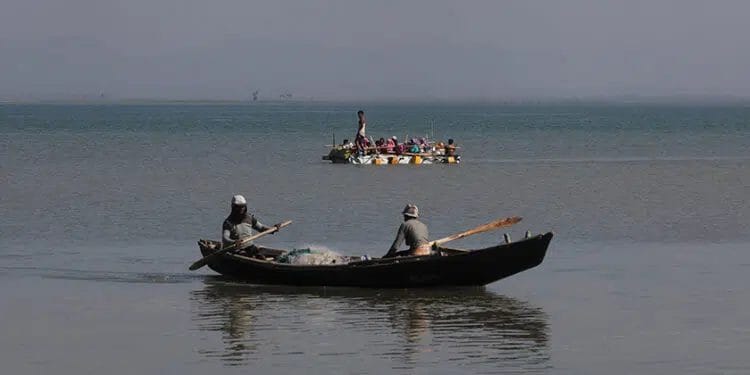
A Rohingya water worker said the fishermen were operating three fishing boats near Panantar Island, under Pauktaw Township, when two Myanmar navy vessels patrolling waters near Sittwe intercepted them.
The source added that naval personnel stopped the fishermen and took them, along with their fishing boats, to Kyaukphyu town without providing any reason for the arrest.
Speaking to Maungdaw Daily News, the worker explained that the detainees are from Rohingya refugee camps in Pauktaw Township and were divided into three groups consisting of boat owners and crew members. Among those detained were men and teenagers aged between 16 and 50.
All 28 Rohingya fishermen were transferred together with their boats to Kyaukphyu, where their fate remains unknown, raising concerns over possible arbitrary detention.
In a similar incident, sources reported that on 1 November, the Myanmar navy arrested several Rohingya fishermen who had gone fishing west of Panantar Island from Faduchi village in Pauktaw Township, and they were also taken to Kyaukphyu.
The coastal areas of Arakan State, particularly around Sittwe and Pauktaw, have repeatedly witnessed arrests of Rohingya fishermen amid strict restrictions on their maritime movement and livelihoods.
The latest incident comes within the broader context of long-standing measures imposed by Myanmar’s military authorities on Rohingya movement in Arakan State, especially in coastal regions. Thousands of Rohingya in Pauktaw, Sittwe, and Kyaukphyu rely on fishing as their primary source of income due to the lack of employment opportunities and severe restrictions on legal freedom of movement.
Since the widespread violence in 2017, authorities have enforced tight controls on Rohingya access to the sea, often requiring permits that are difficult to obtain. As a result, fishermen face frequent arrests, harassment, confiscation of boats, and detention without clear charges.
These practices continue to worsen humanitarian and economic conditions in Rohingya camps, where families suffer from food insecurity and extreme poverty, prompting rights groups to warn that ongoing restrictions threaten basic livelihoods and deepen the suffering of one of the world’s most persecuted minorities.


