Arakan News Agency
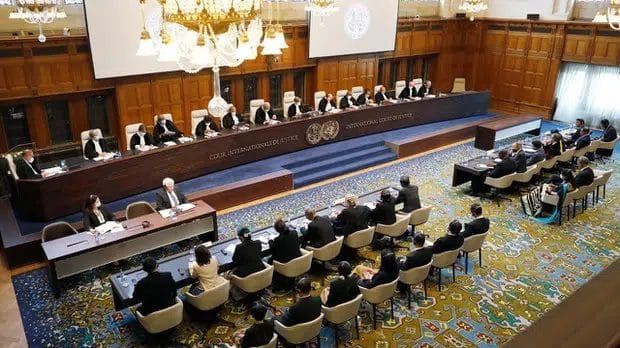
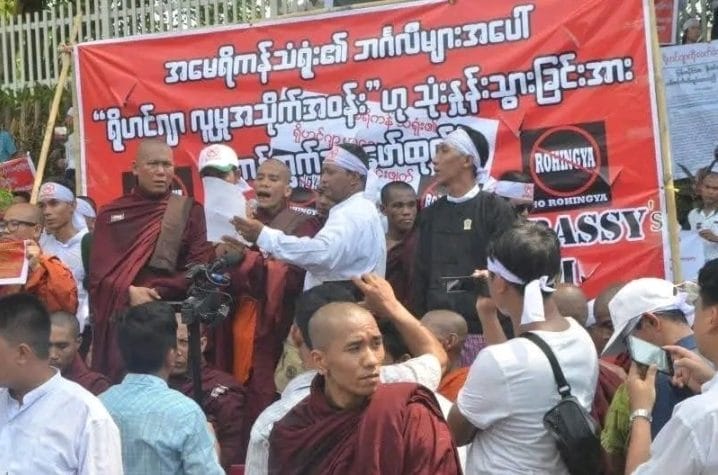
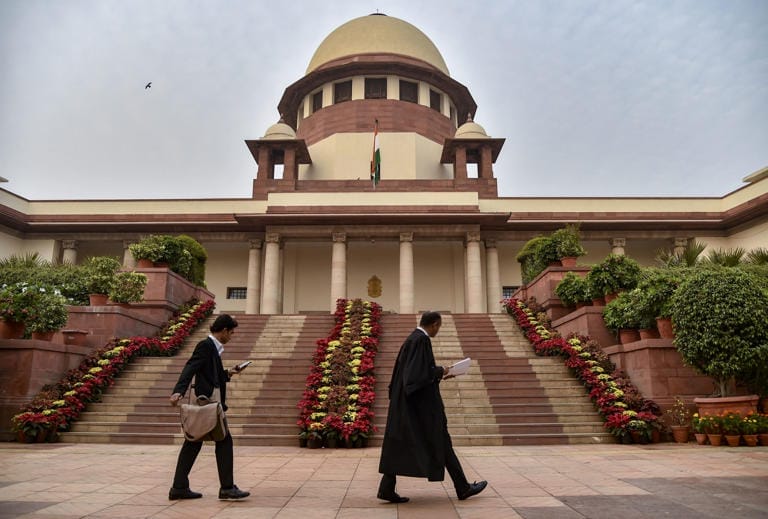
India’s central government has told the Supreme Court that it cannot offer “blanket admission” to foreigners as refugees, especially when most of them have entered the country illegally, saying the continued irregular migration and stay of Rohingya in India poses a major threat to national security.
This came in a written statement submitted by the government in response to a petition demanding the release of Rohingya held in prisons, detention centres or juvenile homes, where they are allegedly being held without clear legal grounds or for alleged violations of the Foreigners Act, according to the “Press Trust” of India.
The government has made it clear that India is not a party to the 1951 Refugee Convention or the 1967 Protocol, and therefore, the issue of granting refugee status to any group of people is a “purely political decision” that cannot be enforced through the judiciary.
Security concerns over immigration
The government warned that the continued influx of Rohingya into India and their continued illegal stay there constituted a “serious threat to national security,” noting that the Supreme Court had previously highlighted in previous rulings the dangers of unregulated migration, especially when borders are open and porous.
The report noted that India shares unfenced borders with countries such as Nepal, Bhutan, Bangladesh and Myanmar, as well as easy-to-navigate sea routes with Pakistan and Sri Lanka, making it vulnerable to illegal migrant flows and the resulting security, social and economic challenges.
Rejecting judicial interference in immigration decisions
The government stressed that granting any legal status to migrants is a “sensitive political issue” that requires consideration of multiple factors such as diplomatic relations and social and economic conditions, and is not an issue that can be decided by the courts.
She also stressed that the Rohingya are not Indian citizens, and therefore the Foreigners Act of 1946 applies to them in full, and considered that responding to the petition filed in their regard effectively means suspending the provisions of the law, which is unacceptable.
She added that the judiciary does not have the authority to force Parliament to enact new laws or amend existing laws to grant Rohingya residency rights within Indian territory, stressing that such decisions fall within the purview of the executive and legislative authorities.
The statement concluded by stressing that India, as a developing country with a large population and limited resources, must give priority to its citizens and cannot bear additional burdens by accepting illegal immigrants without controls.
On Wednesday, the Supreme Court of India confirmed that there will be no discrimination against Rohingya children in terms of their access to education in government schools in the country, as part of considering a petition submitted by human rights activists demanding that Rohingya children be admitted to government schools in Delhi, like the children of refugees in the country.
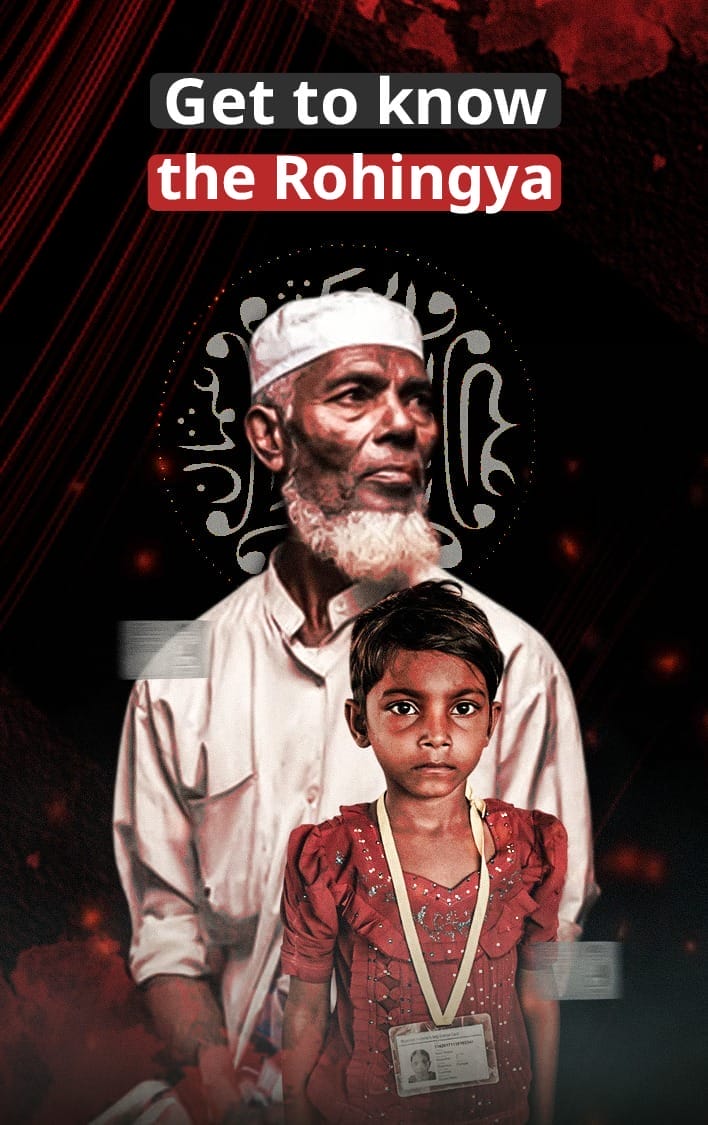
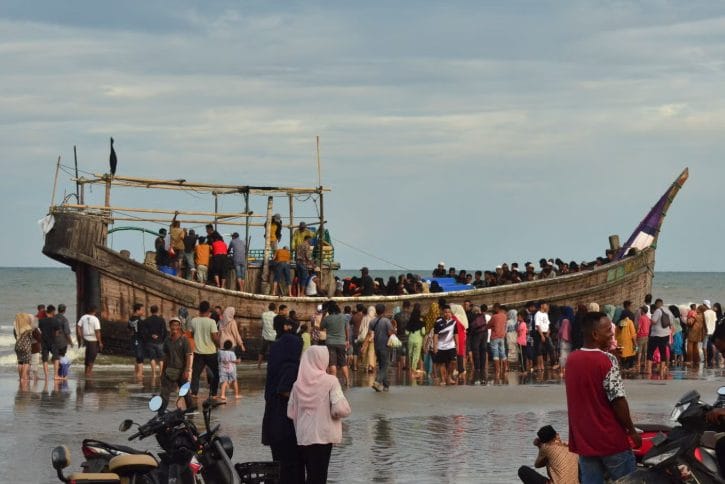
More than a million Rohingya fled Myanmar after the country’s military launched a “genocidal” campaign against them in 2017, most of them heading to Bangladesh, while violence and difficult living conditions in refugee camps there are pushing a number of them to try to move to other countries in search of better living opportunities, such as India, Indonesia and Malaysia.