
Arakan News Agency
People in parts of southern Thailand that have long been landing points for Rohingya refugees hold differing views on how to deal with the plight of the refugees.
PHANG-NA, Thailand: The remote beaches along southern Thailand have long been landing points for Rohingya refugees, and prime areas for human traffickers to operate. But when the Thai government started cracking down, many traffickers abandoned the Rohingyas not just at sea but on land, in provinces in Thailand’s south.
For the last 10 years, deserted beaches in Phang-na near popular resort areas of Kao Lak and Phuket have been landing sites for boats bearing Rohingya refugees, and an operating area for human traffickers who exploit their migration patterns.
Many of these traffickers live and operate in areas along the coastline here. Holding areas where Rohingya refugees were once held now lie abandoned as authorities crack down on people smuggling syndicates.
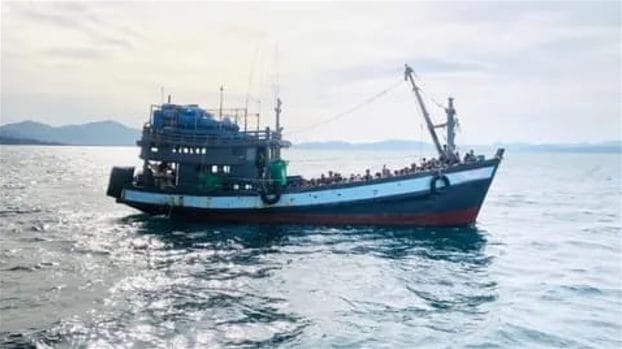
Before the crackdown, traffickers would pick up the refugees arriving by boat from the nearby beaches, before transferring them to larger trafficking camps further south near the Thai-Malaysian border. But despite the suppression of trafficking rings, Rohingya refugees are still arriving in the area.
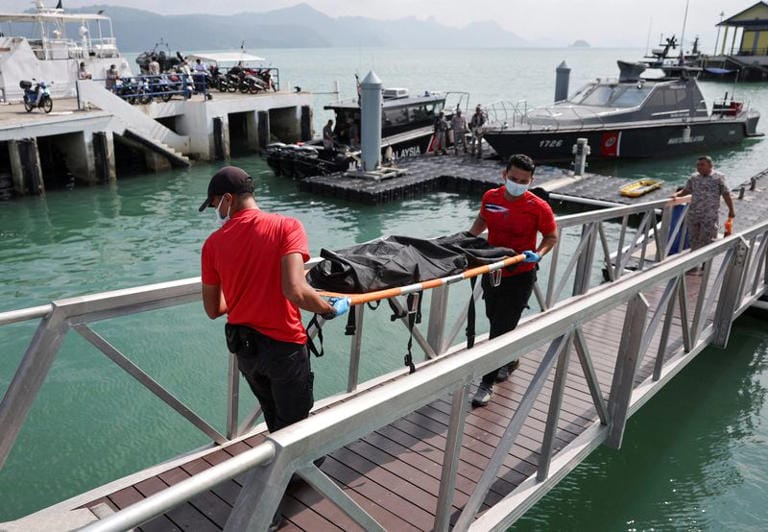
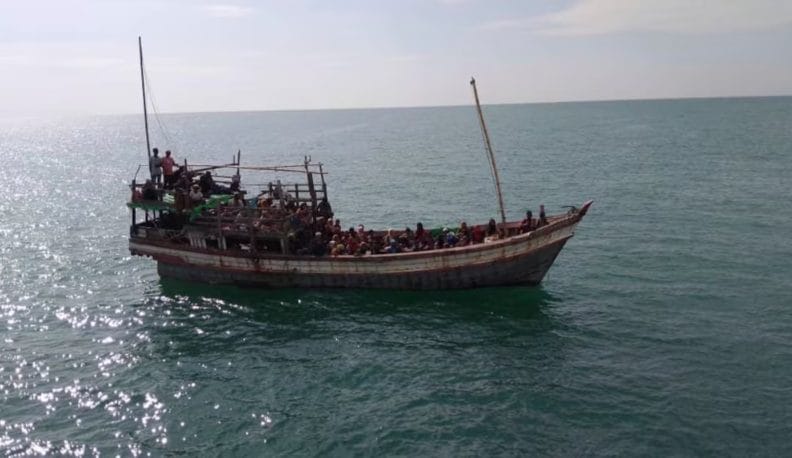
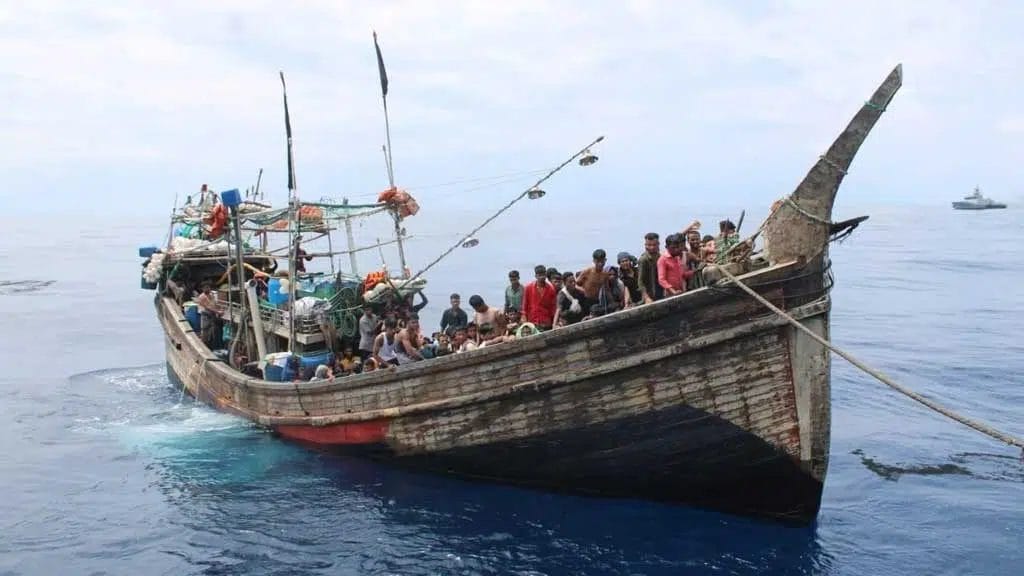
Earlier in May about a hundred Rohingya refugee landed at an island nearby before being picked up by Thai authorities. Rohingya men are now being sent to the province’s immigration detention centre, while women and their children are sent to a government shelter.
These facilities are fast becoming overcrowded. The concern has prompted the local authority to erect 24- hour checkpoints along the province’s main road. Officers at the checkpoints are tasked with vehicle searches to intercept both human traffickers and illegal migrants.
The locals here say they are bracing for more arrivals of migrants ahead of the monsoon season in June, and vow to do what they can to limit the influx.
“I do feel pity for them but they should not be arriving in large numbers,” said Chalerm Waiwong, village headman in Takuapa, Phang-na. “It is not right. Our economy is already bad.
“Earlier (this year) we caught 80 Rohingyas and we sheltered them at the district office. I came to help and gave them food. It was not easy and the situation created many problems for the community.”
But not all share the same fear of Rohingya refugees. Fishermen in a village nearby occasionally provide food and provisions for Rohingyas who land at their wharf. They say Thailand should do more to help the migrants stranded at sea.
“In the past, we gave them humanitarian assistance,” said Yakob Malachan, a villager in Kuraburi. “Personally I think we should help and support them. I saw the news and how they are not treated as human beings, so we need to show compassion.”
It is still unclear how Thailand will respond to the arrival of new migrant boats after Bangkok promised to stop towing boats out of its territorial waters. The local authority in southern Thailand says its approach is largely unchanged. It will continue treating the Rohingyas who arrive, either as illegal migrants or victims of human trafficking.
Source : channelnewsasia