Arakan News Agency | Exclusive
A serious security incident was reported at the Kutupalong Transit Centre near the TV Tower in Cox’s Bazar, Bangladesh, following the withdrawal of security guards and the announcement of the centre’s closure, according to local sources.
A site representative told Arakan News Agency that the incident occurred late on the night of January 10, 2026, when a resident of the centre, identified as Robis Ahmed, 40, was stabbed by unidentified assailants inside the facility.
The source said the victim was rushed to hospital for emergency treatment and remains in critical condition. The identities of the attackers and the motive behind the assault have not yet been determined, and investigations are ongoing.
Residents of the transit centre said fear and anxiety have spread among the population since security personnel were withdrawn. They reported that the absence of guards, protection services, and access to legal support has made daily life increasingly unsafe, particularly for women, children, and other vulnerable families.
Community elders and residents have urged Bangladeshi authorities and humanitarian organisations to take immediate action to restore security and protection at the site. They also called on the media and the international community to draw attention to the urgent safety and humanitarian needs of people still living at the Kutupalong Transit Centre.
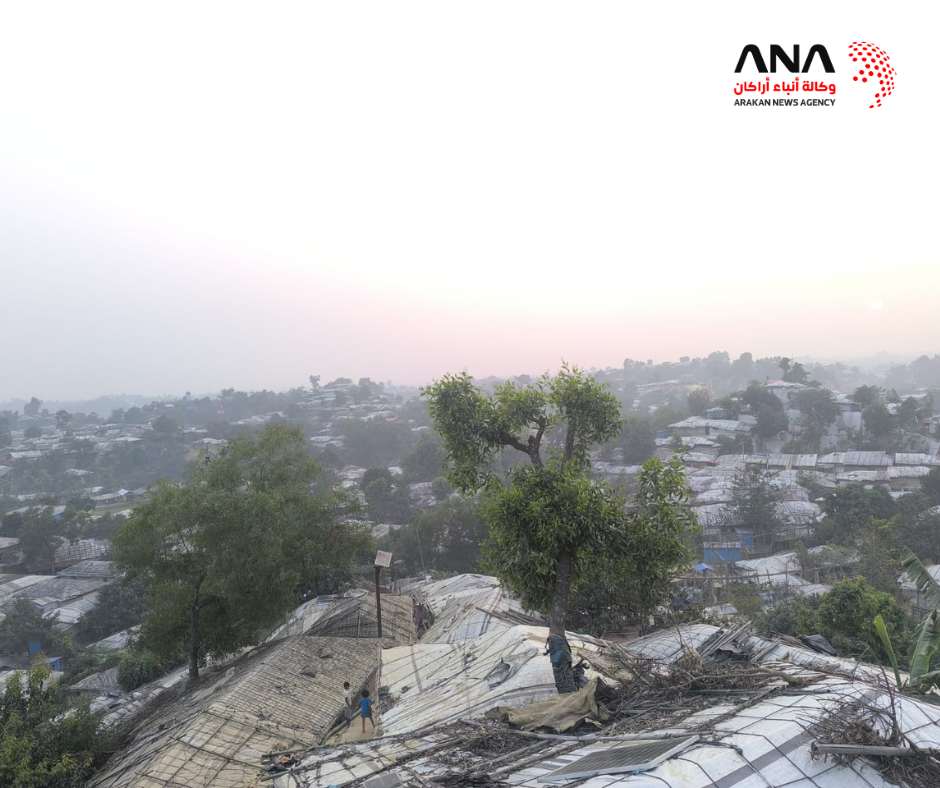
The Kutupalong Transit Centre, located near the TV Tower area in Cox’s Bazar, serves as a temporary and sensitive shelter for Rohingya refugees in transitional conditions. Residents depend heavily on security presence and humanitarian assistance to ensure basic safety and protection.
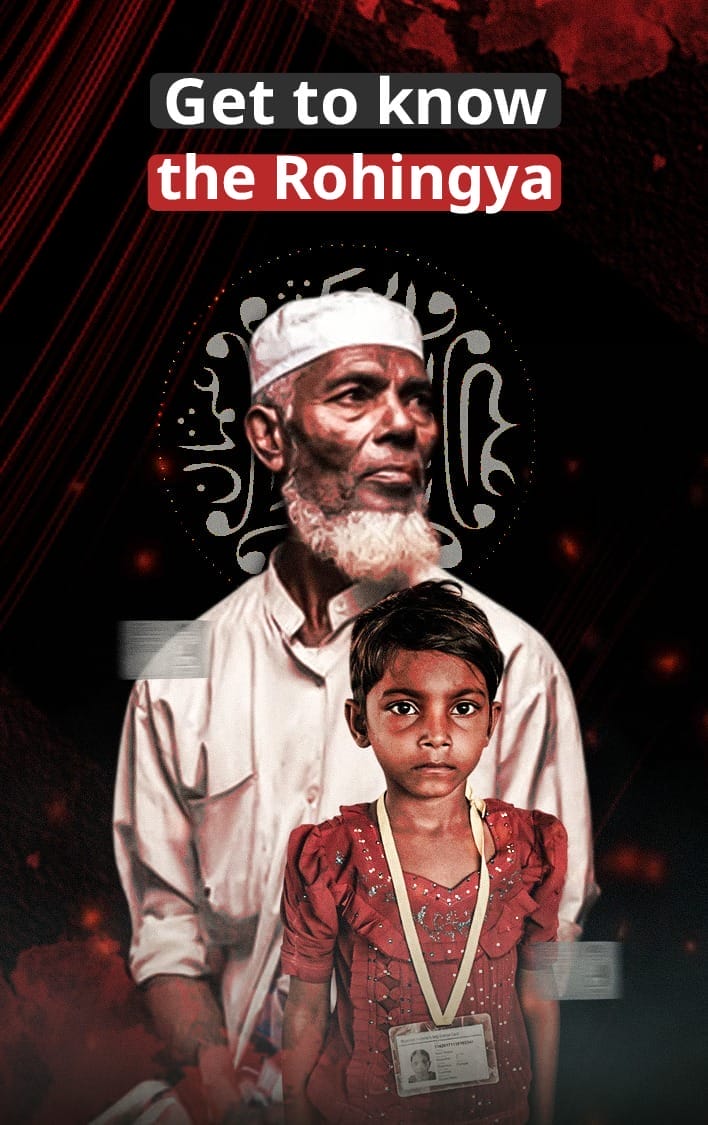
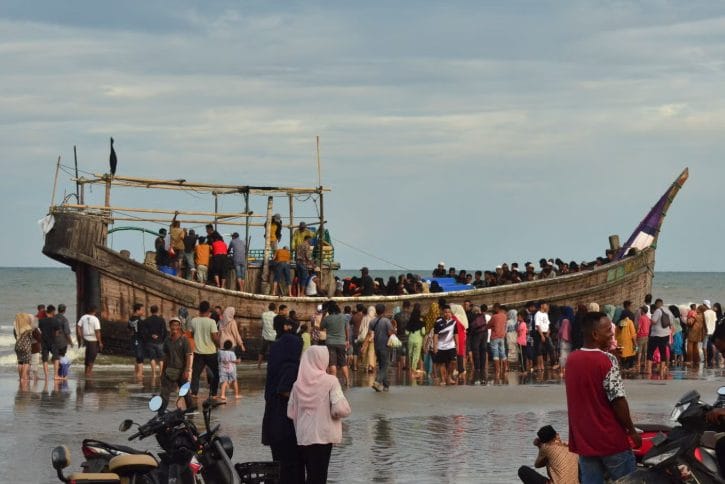
More than one million Rohingya refugees currently live in Bangladesh, the majority in densely populated camps in the Cox’s Bazar district, after fleeing widespread violence and persecution in Arakan State, Myanmar, since 2017.
Rohingya refugees rely almost entirely on humanitarian aid amid restrictions on movement, work, and education, and face fragile living and security conditions that expose them to recurring risks, including violence, fires, and the deterioration of essential services.